
Why visit Tanzania
Tanzania is one of the most extraordinary countries on Earth to visit, and this travel guide is designed to give first-timers everything they need to plan with confidence. In a single country you will find the greatest wildlife spectacle on the planet in the Serengeti, the highest mountain in Africa in Kilimanjaro, the world-famous Ngorongoro Crater, and the spice islands and white-sand beaches of Zanzibar. Few destinations pack so much variety, drama and natural beauty into one trip, which is exactly why Tanzania vacations leave such a lasting impression.
Tanzania is also a warm and welcoming country, with a deep tradition of Swahili hospitality and a well-established tourism industry that has hosted international travellers for decades. English is widely spoken in the travel sector, the safari areas are well run, and the practicalities of visiting are more straightforward than many first-timers expect. The aim of this guide is to demystify the planning — when to go, how to get there, what to budget, and how the country fits together — so your first trip is everything you hope for.
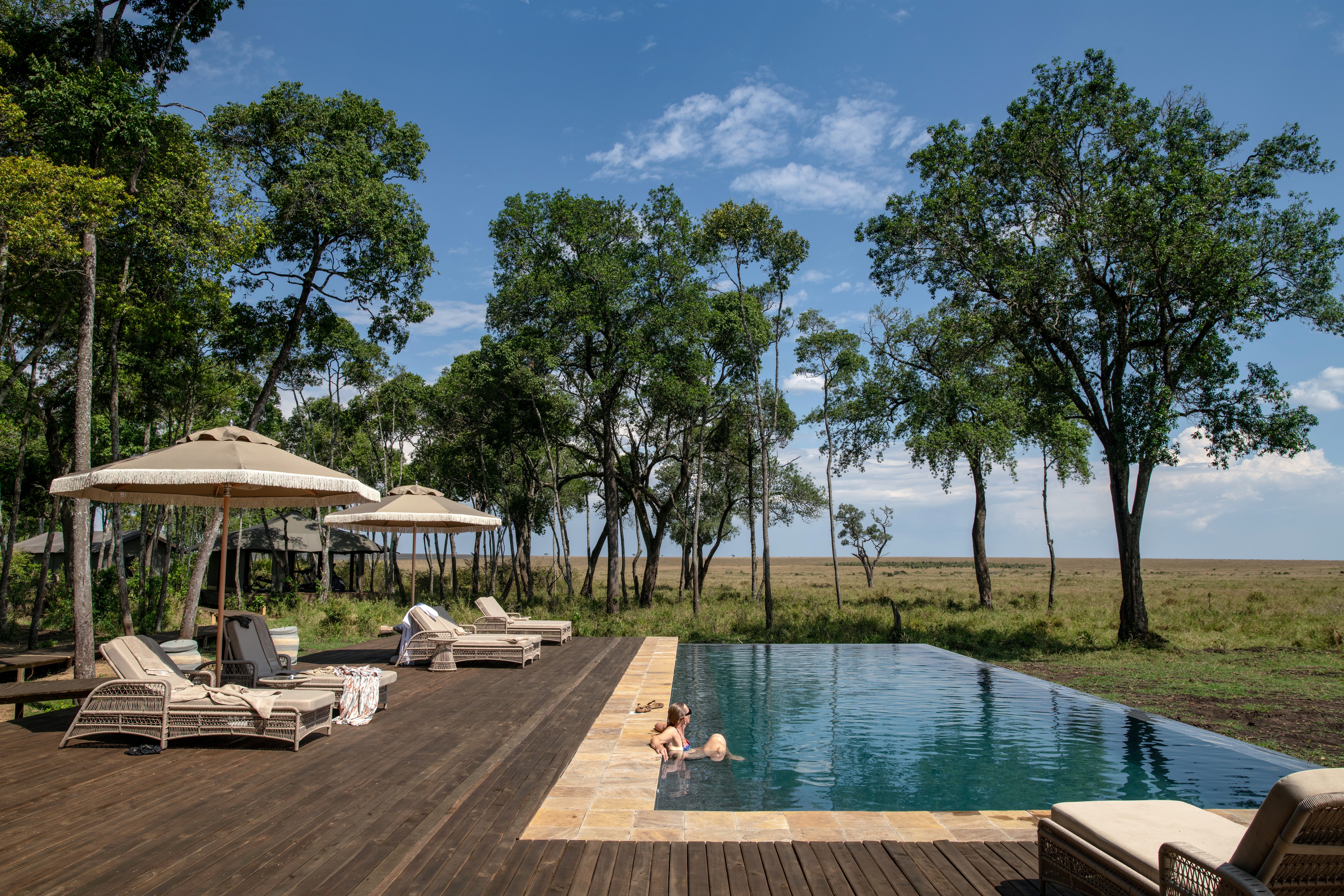
When to go to Tanzania
Tanzania is a year-round destination, but the timing of your trip shapes the experience. The long dry season from June to October is the classic window: comfortable weather, easy wildlife viewing, and the dramatic Serengeti river crossings of the Great Migration. It is the most popular and busiest season, so the best camps and lodges book up many months ahead. The short dry season in January and February is also excellent, coinciding with the wildebeest calving on the southern Serengeti plains.
The green seasons — the long rains around April and May and the short rains in November — bring lush landscapes, fewer crowds and lower prices, with the trade-off of occasional afternoon showers. For beach lovers, Zanzibar is at its sunniest from June to October and December to February. There is no single best time; the right month depends on your priorities, and our guide to the best time to visit Tanzania for safari sets out the calendar in detail.
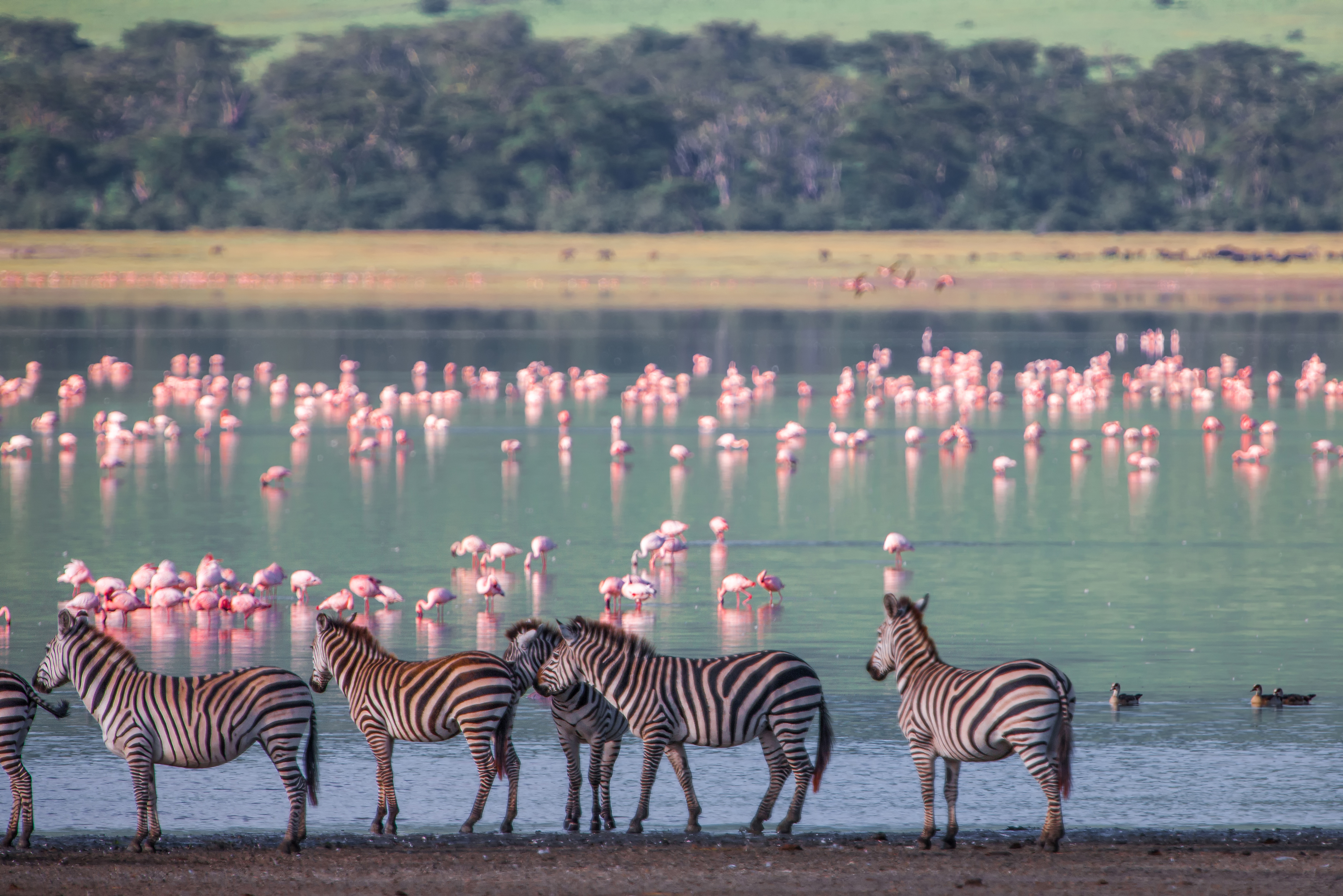
Getting there and getting around
Most visitors arrive at one of two airports. For the northern safari circuit and Kilimanjaro, fly into Kilimanjaro International Airport (JRO), near Arusha. For Zanzibar and the southern parks, Julius Nyerere International in Dar es Salaam or Zanzibar's own airport are the gateways. There are no direct flights from Europe or North America, but excellent one-stop connections run via the Gulf, Amsterdam, Nairobi and Addis Ababa.
Within Tanzania, the northern parks are typically explored by road in a private 4x4 with your guide, while longer distances — to the southern parks, the western chimpanzee forests, or between the mainland and Zanzibar — are covered by short, scenic light-aircraft flights. A good operator arranges all of this for you, including your airport transfers, so you never have to navigate logistics on the ground. This seamless coordination is one of the main reasons to plan through a local company rather than piece a trip together yourself.
Visas, money and practical essentials
Most nationalities need a visa to enter Tanzania, most easily obtained as an e-visa online before you travel; a single-entry tourist visa costs around fifty US dollars. Your passport should be valid for at least six months beyond your arrival date, with blank pages for stamps. It is worth applying two to three weeks ahead to avoid any last-minute stress.
The local currency is the Tanzanian shilling, but US dollars are widely accepted for tours, park fees and tipping — bring clean, recent notes, as older or worn dollar bills are sometimes refused. Cards are accepted at lodges and larger establishments, though it is wise to carry some cash for markets, tips and small purchases. A local SIM card with data is cheap and easy to buy on arrival and is well worth having for the journey.
Health and safety
Tanzania is a safe and rewarding destination for travellers who take sensible precautions. On health, consult your doctor or a travel clinic well before you go about antimalarial medication, as the safari areas are malarial, and ensure your routine vaccinations are current. A yellow fever certificate is required only if you are arriving from a country with risk of transmission. Comprehensive travel insurance with medical evacuation cover is essential for any safari.
In terms of personal safety, the safari areas, Zanzibar and the main tourist routes are well established and generally trouble-free. As anywhere, apply common sense in towns and cities: keep valuables out of sight, use trusted transport, and let your lodge or operator arrange your movements. Travelling with a reputable local operator adds a valuable layer of reassurance, since you always have someone on the ground looking out for you.
The main regions of Tanzania
Understanding how Tanzania fits together makes planning far easier. The country divides into a handful of distinct regions, and most first trips combine two or three of them into one itinerary.
The northern safari circuit
The northern circuit — the Serengeti, Ngorongoro Crater, Tarangire and Lake Manyara, all reached from Arusha — is the heart of Tanzania safari travel and the right choice for most first-timers. It packs the country's most famous wildlife and landscapes into a compact, well-connected area, and it is where the Great Migration unfolds.
Zanzibar and the coast
The Zanzibar archipelago offers white-sand beaches, turquoise water, world-class diving and the historic, UNESCO-listed lanes of Stone Town. It is the perfect relaxing finale to a safari, reached by a short flight from the mainland, and one of the most popular places to visit in Tanzania in its own right.
The southern and western wilderness
For seasoned travellers seeking solitude, the southern parks of Nyerere and Ruaha, and the western chimpanzee forests of Mahale and Gombe, offer wilder, far less-visited adventures — boat safaris, walking safaris and genuine remoteness. They reward a second visit or a longer trip.
How to plan your first Tanzania trip
The simplest path to a great first trip is to decide roughly when you can travel and what you most want to experience — wildlife, beaches, mountains, or a mix — and then let a local specialist shape the details around you. Trying to plan every park, flight and transfer yourself is where first-timers get overwhelmed and make costly mistakes. Our guide to things to do in Tanzania and our sample Tanzania safari itinerary are good places to gather ideas before you start.
Above all, give yourself enough time. A focused safari needs about a week; a fuller trip combining the northern parks with Zanzibar or Kilimanjaro is best over ten days to two weeks. Tanzania is a long way to travel, and the extra days repay you many times over in a more relaxed, more rewarding journey. Plan with a little breathing room, and the country does the rest.
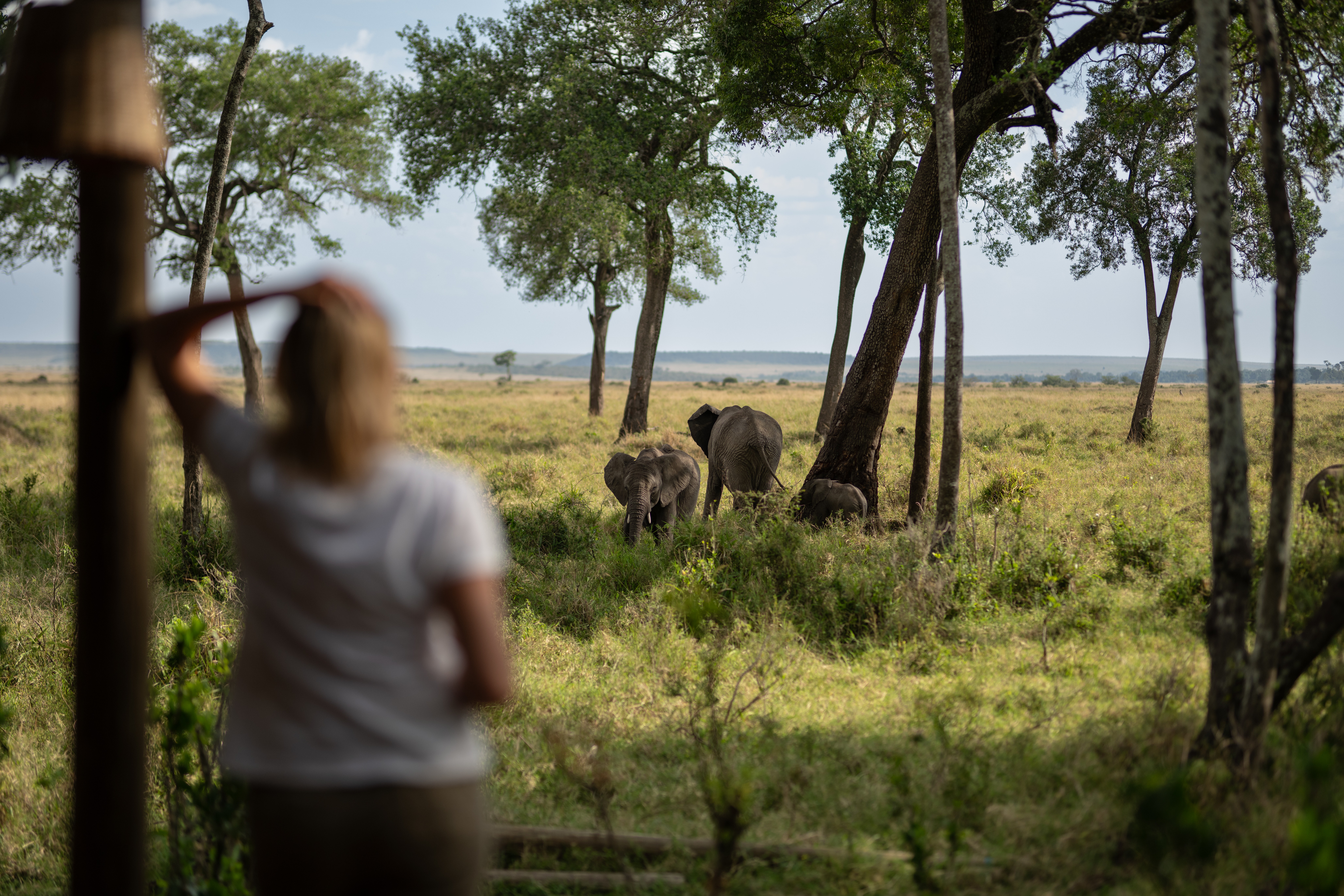
Looking for inspiration? See the best things to do in Tanzania and a sample Tanzania safari itinerary.
Timing your trip? Read our best time to visit Tanzania for safari guide.
Tanzania rewards the traveller who plans with a little room to breathe — give it time, and it gives you a trip you will measure other holidays against for years.
- Fly into Kilimanjaro (JRO) for the northern circuit
- Get your e-visa online before you travel
- Bring clean US dollars plus a card
- Arrange antimalarials and full travel insurance
- Allow 10–14 days to combine safari, beach or mountain
What to pack and what to expect
Packing for Tanzania is simpler than many first-timers fear, but a few essentials make a real difference. Lightweight clothing in neutral colours — khaki, olive, beige — is ideal for safari, both to stay cool and to blend into the bush; bright white and black are best avoided. Crucially, pack warm layers too: mornings on game drives, the Ngorongoro highlands and the slopes of Kilimanjaro can be genuinely cold, even in the dry, hot months, and a fleece and windproof layer earn their place.
Beyond clothing, bring a good pair of binoculars, a sun hat, high-factor sunscreen, insect repellent, any personal medication, and a camera with plenty of storage and a spare battery. If you are flying between parks on light aircraft, remember that luggage is limited to soft duffel bags of around fifteen kilograms, so pack light and leave the hard suitcase at home. Most camps offer a laundry service, which makes travelling light far easier than it sounds.
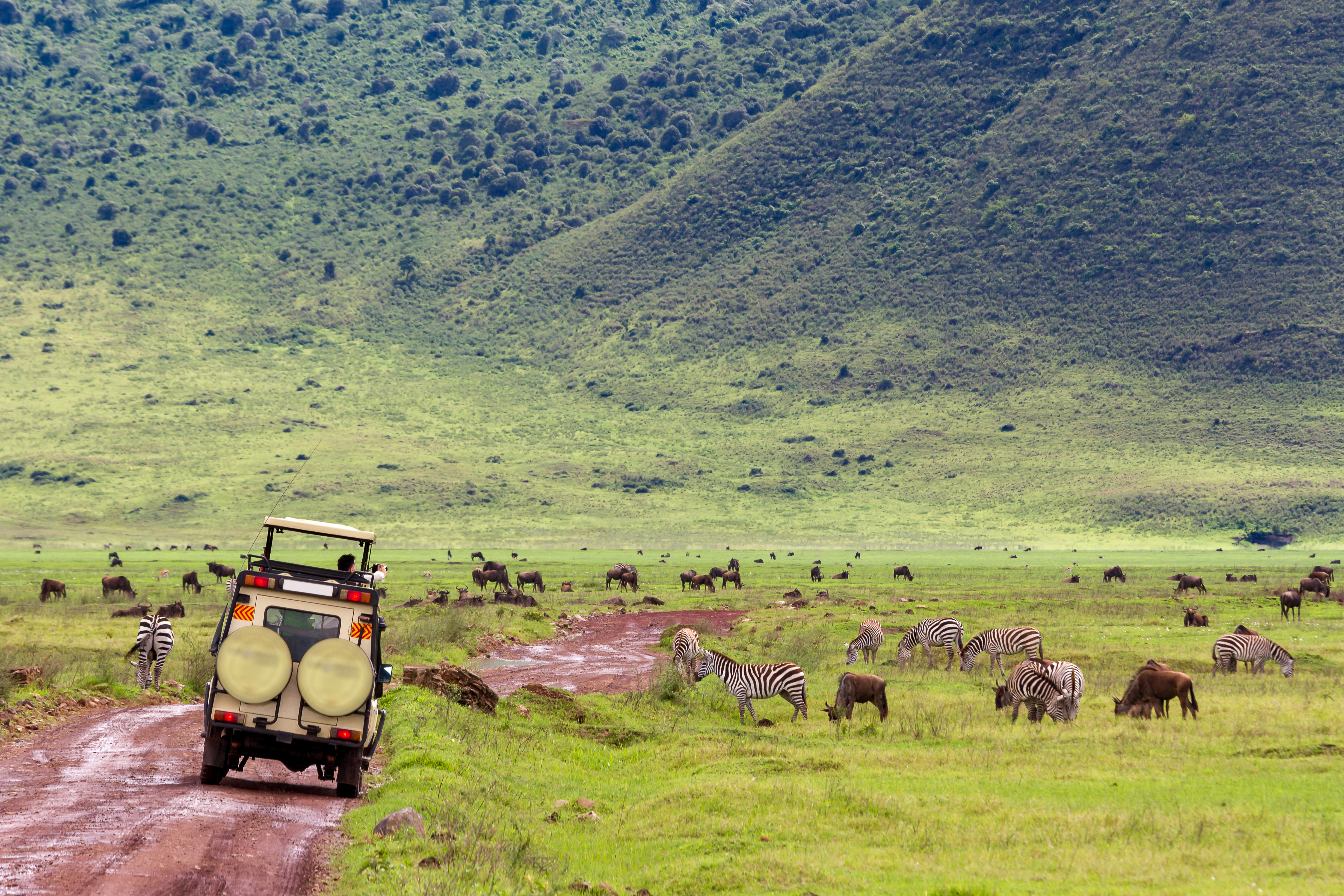
As for what to expect day to day, a Tanzania safari is both more comfortable and more relaxed than newcomers imagine. Even mid-range camps offer hot showers, proper beds and excellent food, often surprisingly fine given how remote they are. Days follow an easy rhythm of early game drives, leisurely midday breaks and late-afternoon outings, with plenty of time to rest. You are not roughing it; you are being looked after in the middle of the wilderness.
Connectivity varies. Towns and many lodges have reliable wifi, but the remoter camps may have little or none — which most guests come to see as a feature rather than a fault, a chance to disconnect entirely. It is worth telling family back home that you may be offline for stretches, and embracing it as part of the escape. A local SIM card covers you in and around the towns and on the road.
Tipping is customary and genuinely appreciated. It is normal to tip your safari guide and the camp staff at the end of your stay, and your operator will gladly advise on sensible amounts so you are neither under- nor over-prepared. Carrying some small US dollar notes makes this easy. These little practicalities, sorted in advance, let you focus entirely on the experience once you arrive.
Finally, expect to be moved. Almost everyone who visits Tanzania for the first time describes it as more powerful than they anticipated — the scale of the Serengeti, the intimacy of a sighting, the warmth of the people. Coming prepared, with the right kit and realistic expectations, simply clears the way for that to happen. The rest, as every returning traveller will tell you, takes care of itself.
Plan your Tanzania trip with a local expert
A first trip to Tanzania is a significant journey, and it deserves to be planned by people who know the country first-hand. Tell us when you would like to travel and what excites you most, and we will turn this guide into a personal Tanzania itinerary built entirely around you — handling every flight, transfer, visa question and detail so all you have to do is enjoy it.
Plan your Tanzania trip with Sokwe Africa Safari