
Tanzania is one of the most rewarding countries on Earth to explore, and the list of things to do in Tanzania goes far beyond the classic game drive. From the thunder of the Great Migration to the spice-scented lanes of Zanzibar, the roof of Africa to the depths of an ancient crater, this is a country that offers wilderness, culture and coast in equal measure. Few destinations let you track lions at dawn and snorkel a coral reef at sunset within the same week, and fewer still do each so well.
As a local operator based in Arusha, we have guided thousands of travellers through these experiences, and we know how to combine them into one seamless journey rather than a scramble of disconnected days. The secret is sequencing — pairing the big wildlife parks with cultural and coastal experiences so the trip builds and varies rather than tiring you out. Here are the twelve experiences we believe every visitor should consider, and a sense of how they fit together into an unforgettable Tanzania itinerary.
1. Witness the great migration in the Serengeti
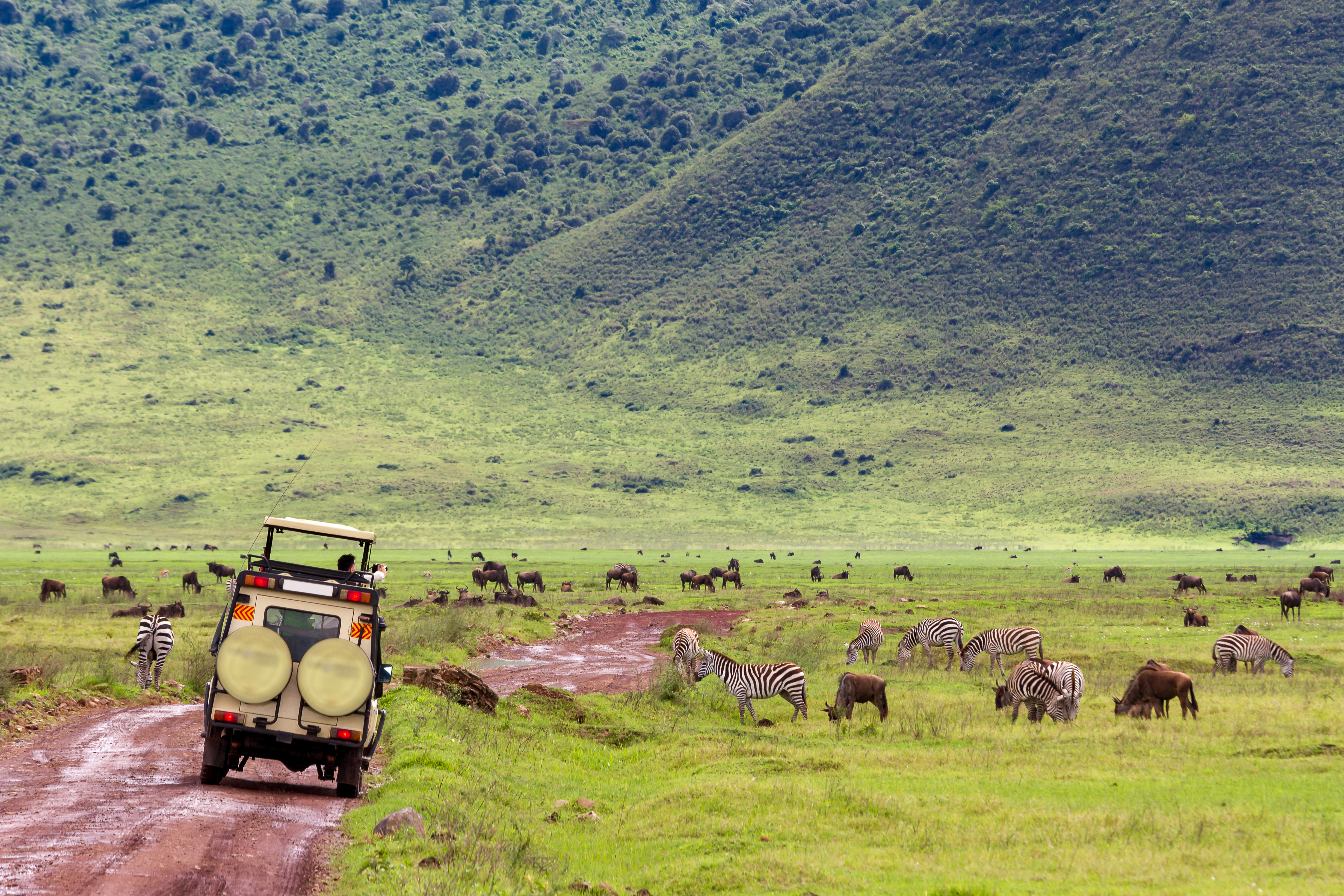
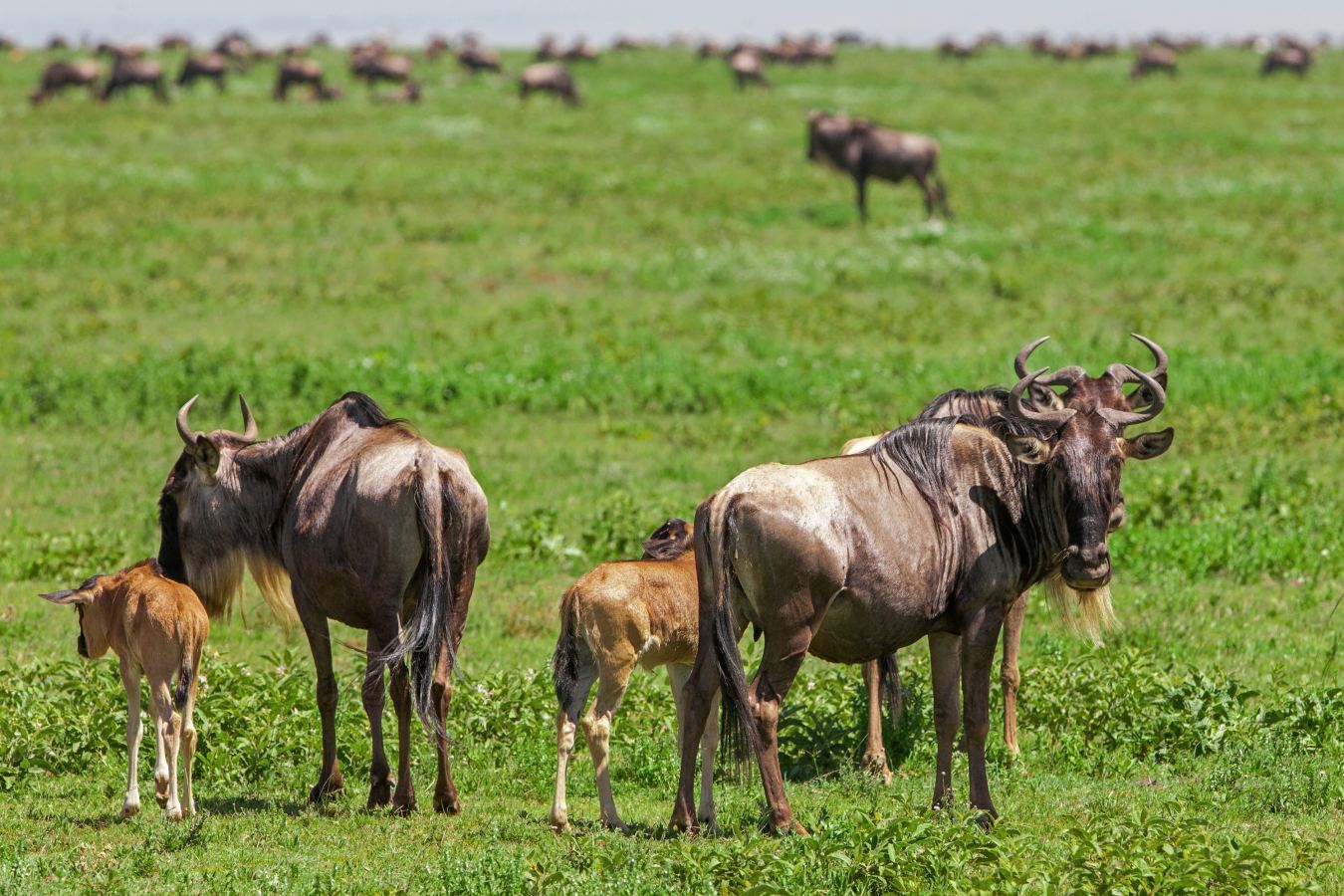
The Great Migration is the headline act and, for many, the best safari in Tanzania. Watching more than a million wildebeest move across the plains — or plunge in their thousands across a crocodile-filled river — is among the most powerful wildlife spectacles on the planet. The herds are somewhere in the Serengeti all year, so with the right timing and a knowledgeable guide you can witness this drama whatever month you travel, whether it is the calving season in the south or the river crossings in the north.
2. Descend into the Ngorongoro Crater
A collapsed volcanic caldera teeming with around 25,000 large animals, the Ngorongoro Crater is a natural wonder unlike anywhere else on Earth. Descending the steep wall at first light into this self-contained world — its lions, elephants, hippos, flamingos and rare black rhino all within a single bowl of grassland and soda lake — is a highlight of every northern Tanzania itinerary and one of the surest places in Africa to complete the Big Five in a single day.
3. Track big cats in Ruaha National Park
For travellers seeking solitude, Ruaha in the wild south is one of the finest and least-visited places to visit in Tanzania. It holds enormous lion prides, leopard, cheetah and endangered wild dog, often with not another vehicle in sight. Reaching it takes a short flight, and that little extra effort rewards you with true wilderness — the kind of raw, uncrowded safari that the famous northern parks offered a generation ago, and that serious wildlife enthusiasts treasure.
4. Boat safari at Lake Manyara
Lake Manyara is famous for its tree-climbing lions, vast flocks of flamingos and lush groundwater forest fed by springs at the base of the Rift Valley escarpment. Compact and beautiful, it makes a perfect first stop on a northern circuit, easing you into safari with an extraordinary variety of habitats packed into a small area. A boat outing or a guided forest walk offers a gentle, bird-rich counterpoint to the open plains you will encounter elsewhere.
5. Walk the spice farms of Zanzibar
One of the most memorable things to do in Tanzania happens off the mainland entirely. Zanzibar's spice farms, where cloves, cinnamon, nutmeg and vanilla grow, are a feast for the senses and a window into the island's centuries of trading history. A guided tour, tasting fruits and spices straight from the tree and learning how they shaped the island's fortunes, is the perfect gentle adventure after the intensity of a safari, and a favourite with families and couples alike.
6. Explore Stone Town's UNESCO streets
The labyrinthine lanes of Stone Town, a UNESCO World Heritage Site, blend African, Arab, Indian and European influences in carved wooden doorways, bustling bazaars and crumbling waterfront palaces. Wander without a map, pause for a coffee, browse the night market, and watch the dhows at sunset from the old fort. It is the cultural heart of Zanzibar and a fascinating half-day or more of exploration, rich with the layered history of the Swahili coast.
7. Trek Mount Kilimanjaro
Africa's highest peak and the world's tallest free-standing mountain, Kilimanjaro is a bucket-list trek that takes you through five distinct climate zones — from rainforest to arctic summit — over five to nine days. It demands preparation and a slow, steady pace to acclimatise properly, but standing on the snow-capped roof of Africa at sunrise is a once-in-a-lifetime achievement that stays with you forever. Many travellers pair a climb with a few recovery days on safari or in Zanzibar.
8. Go birdwatching in Tarangire
With over 550 recorded species and its iconic, baobab-studded landscape, Tarangire is a birder's paradise and a major elephant stronghold. The dry season concentrates extraordinary numbers of wildlife along the Tarangire River, and the park's ancient baobabs — some two thousand years old — make it one of the most photogenic and underrated parks in the north. Even non-birders are won over by the sheer abundance and the dramatic, sculptural scenery.
9. Night safari in the Serengeti
In select private concessions bordering the national park, a night game drive reveals a completely different cast of characters — genets, civets, bushbabies, aardvark and hunting cats — that the daytime never shows. Sweeping a spotlight across the darkened bush, with the sounds of the night all around you, is a thrilling way to experience the wilderness after hours. It is available only where regulations permit, so it is best arranged in advance through your operator as part of a wider itinerary.
10–12. More hidden gems
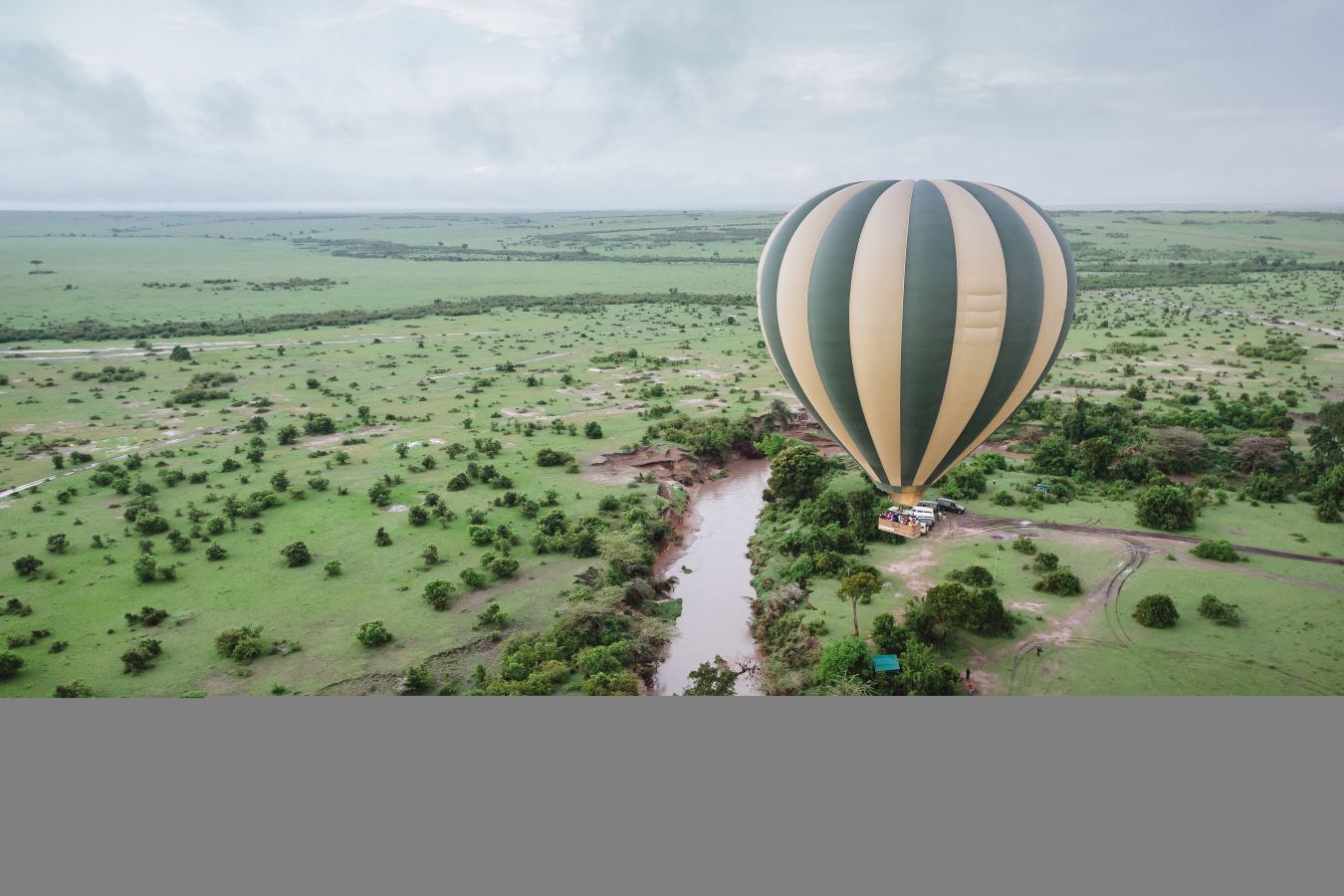
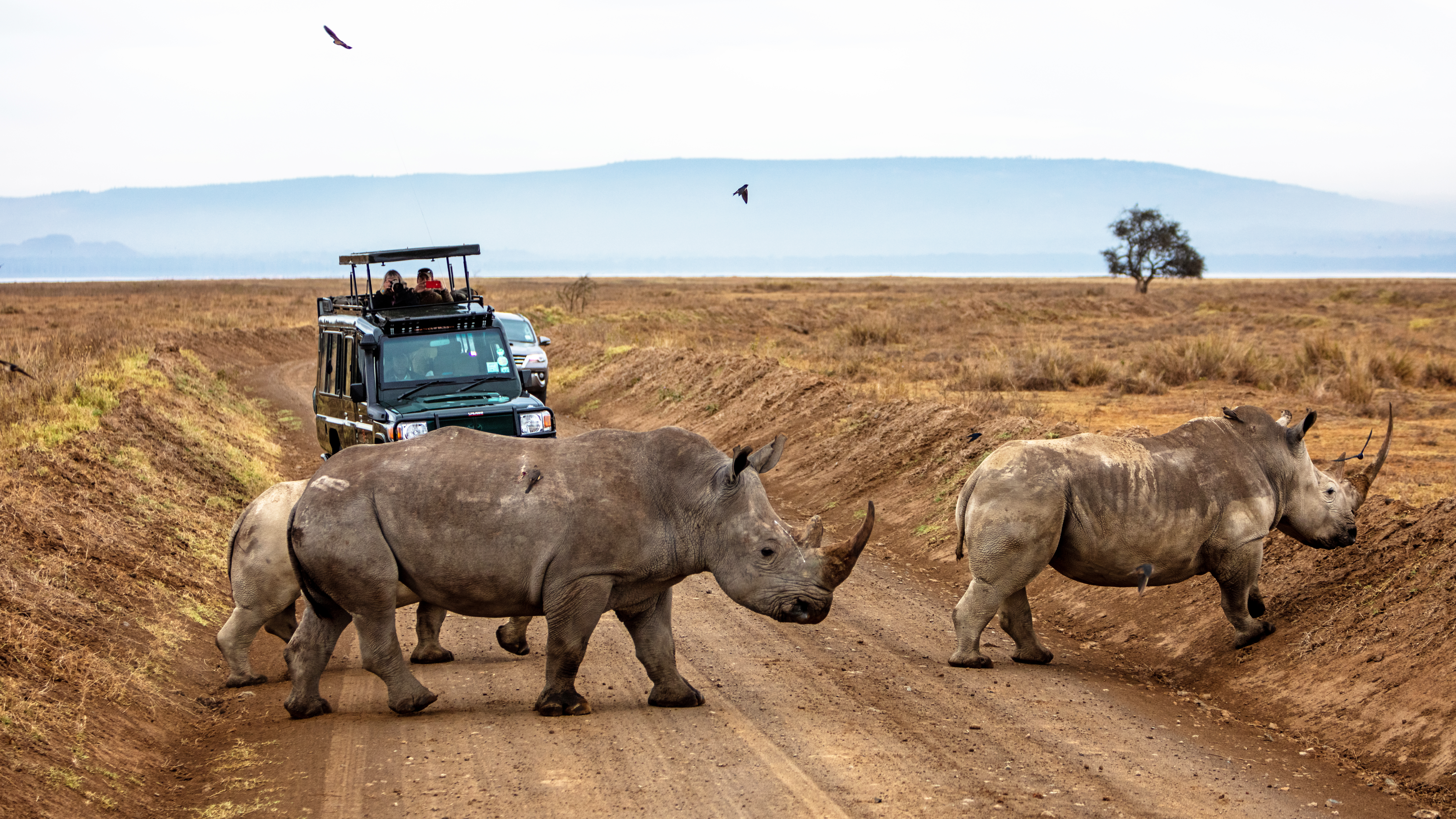
Round out your trip with three more gems. A hot-air balloon flight over the Serengeti at dawn drifts you silently above the herds before a champagne breakfast on the plains. A cultural visit with a Maasai community offers genuine insight into a way of life intertwined with the land and its wildlife, and supports the communities who help protect it. And a few barefoot days on a northern Zanzibar beach end the journey in pure relaxation.
Together these experiences turn a good trip into a complete one — the full Tanzania travel guide brought to life in a single, varied itinerary. You might also add a chimpanzee trek in the remote western forests, a diving course off Zanzibar, or a visit to a coffee plantation near Arusha. The point is that Tanzania is deep enough to reward whatever your particular passion happens to be, and a good local operator will help you find the version of the trip that fits you best.
Ready to put it together? See our Tanzania safari itinerary ideas and time it with our Serengeti migration calendar.
Dreaming of the coast? Read our Tanzania safari + Zanzibar guide.
Tanzania is not one destination but many — a safari, a mountain, an island and a culture — and the joy is in stitching them into a single, seamless journey.
- Serengeti migration · the great wildlife spectacle
- Ngorongoro Crater · Big Five in one day
- Ruaha & the wild south · true solitude
- Zanzibar · spice farms, Stone Town & beaches
- Kilimanjaro · the roof of Africa
- Maasai culture & a Serengeti balloon flight
When to do what: timing your Tanzania trip
With so much to do, timing is what ties a Tanzania trip together. The long dry season from June to October is the classic window for safari, with easy game viewing and the dramatic northern river crossings of the migration, and it also brings reliably sunny weather to Zanzibar — ideal if you are combining bush and beach. It is the busiest and priciest season, so the best camps book up well ahead.
The green season from November to March is quieter, greener and better value, and it brings the wonderful calving season to the southern Serengeti in January and February. Kilimanjaro is best climbed in the drier months of January to March and June to October, when the trails are clearer and the summit nights kinder. A little planning around these rhythms ensures each experience lands at its best rather than being squeezed into the wrong month.
As for how long to allow, a focused safari needs about a week, while a fuller trip combining the northern parks with Zanzibar or Kilimanjaro is best over ten days to two weeks. Trying to do everything in a short window is the surest way to feel rushed. We will help you choose the handful of experiences that matter most to you and sequence them so the journey flows naturally from one highlight to the next.
It also helps to think about how the pieces connect on the ground. The northern safari circuit, Arusha, and Kilimanjaro sit close together and link easily by road and short flights, while Zanzibar and the southern parks are reached by quick hops from the mainland. This geography means you can combine bush, mountain and beach without long, tiring journeys, provided the route is planned sensibly. Getting the sequence right — and travelling light between light-aircraft legs — is the difference between a trip that flows and one that feels like a series of airport queues.
Families, couples and solo travellers all find their own version of Tanzania, too. Families lean towards the malaria-aware northern parks and gentle Zanzibar beaches; couples towards romantic camps and a balloon flight at dawn; adventurers towards Kilimanjaro and the remote south. There is no single right itinerary, only the one that fits who you are travelling with and what you most want to feel. Tell us that, and the rest — the order, the timing, the logistics — is our job to solve.
Whatever you choose, the deepest pleasure of Tanzania is how completely it absorbs you. After a few days the rhythms of the bush, the call to prayer drifting over Stone Town, or the slow turn of the stars above your tent begin to reset something in you that ordinary holidays never reach. Travellers arrive with a checklist of things to do and leave with a handful of moments they will never forget — a particular sunrise, a chance encounter, a conversation with a guide. Our job is simply to create the conditions for those moments and then step back and let the country do the rest.
Plan your Tanzania trip with a local expert
With so many things to do in Tanzania, the art is in choosing the right combination for your time, your interests and your travel style — and in sequencing them so the journey flows rather than exhausts. That is exactly where a local operator earns its place. Tell us which of these experiences excite you most and how long you have, and we will build a seamless Tanzania itinerary around them, handling every flight, transfer and detail along the way so all you have to do is enjoy it.
Plan your Tanzania trip with Sokwe Africa Safari