
Why This Tanzania Safari Itinerary Works
A well-constructed Tanzania safari itinerary is not simply a list of parks in sequence — it is a journey with a narrative, a beginning, a middle, and an end. It balances movement with stillness, variety with depth, and the thrill of new landscapes with the reward of extended time in a single ecosystem. The ten-day itinerary we have developed at Sokwe Africa Safaris over years of designing bespoke African journeys has been refined through guest feedback, guide expertise, and a deep understanding of how Tanzania's wildlife calendar and seasonal conditions interact.
This itinerary covers three of Tanzania's finest wildlife destinations — Tarangire National Park, the Ngorongoro Conservation Area, and the Serengeti — before concluding with two days on Zanzibar's white-sand beaches. It uses internal flights to maximise time in the field and minimise road travel. It is designed to work year-round with minor seasonal adjustments to position, and it can be upgraded, extended, or personalised at any point to match your specific interests, travel dates, and budget.
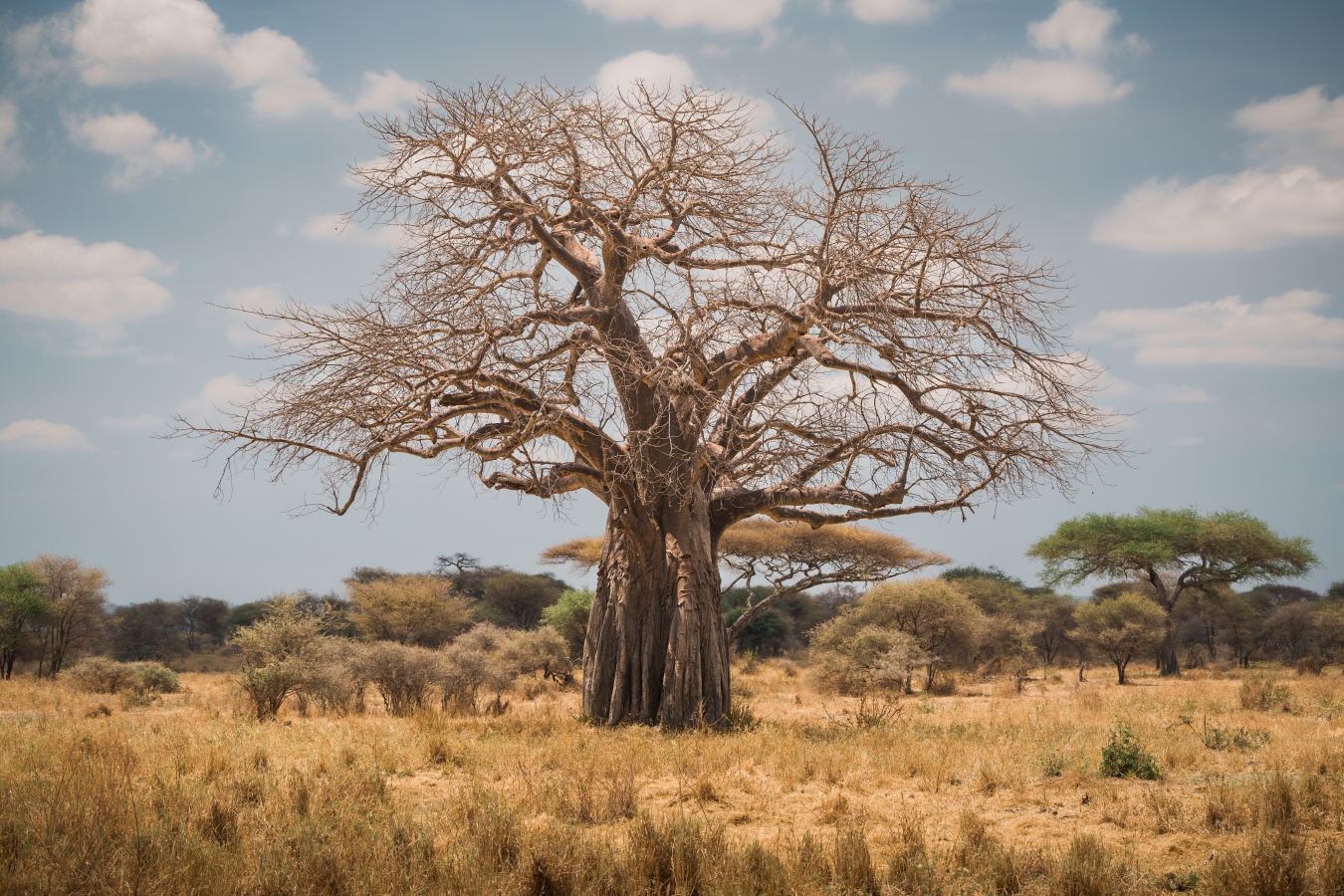
Day 1-2: Arrival in Arusha and Tarangire National Park
Your Tanzania safari begins with arrival at Kilimanjaro International Airport, where your Sokwe Africa Safaris guide and driver will meet you at the terminal. After a one to two-hour drive to Arusha for your overnight stay, the following morning brings your first full safari day in Tarangire National Park. The drive from Arusha to Tarangire takes approximately two and a half hours through the Great Rift Valley, and the first sight of the ancient baobab trees rising from the dry scrubland is an unmistakable signal that you have arrived somewhere truly different.
Tarangire is famous for its extraordinary elephant concentrations — during the dry season, herds of several hundred elephants converge on the Tarangire River, the only permanent water source for hundreds of kilometres. Walking among baobab trees that are two thousand years old while watching elephant families drink and play in the river below is a profound start to any Tanzania safari. Tarangire also holds superb populations of lion, leopard, cheetah, and one of the most important populations of greater kudu in East Africa. Two nights here gives you a full day of driving in this underrated park.
Day 3: Ngorongoro Highlands and Crater Lodge
Departing Tarangire on day three, your journey takes you through the agricultural highlands around Karatu before ascending to the Ngorongoro Crater rim at 2,300 metres elevation. The change in landscape is dramatic — lush montane forest replaces the dry scrub of Tarangire, and the air temperature drops noticeably. Arriving at a luxury crater rim lodge in the afternoon, the view from your veranda or infinity pool across the collapsed caldera to the crater floor far below is one of the iconic African vistas.
On the morning of day four, you descend into the Ngorongoro Crater for a full day on the floor. Vehicles enter the crater at dawn and the quality of light in the first hours of the morning — the mist burning off the crater walls, the lake turning pink with flamingos, the lions emerging to warm themselves on termite mounds — is extraordinary. Your guide will navigate the crater circuit with knowledge of where the black rhino have been sighted recently, where the resident prides are denning, and where the hippo pools offer the best viewing. A packed gourmet bush lunch on the crater floor extends your time inside before ascending in the late afternoon.
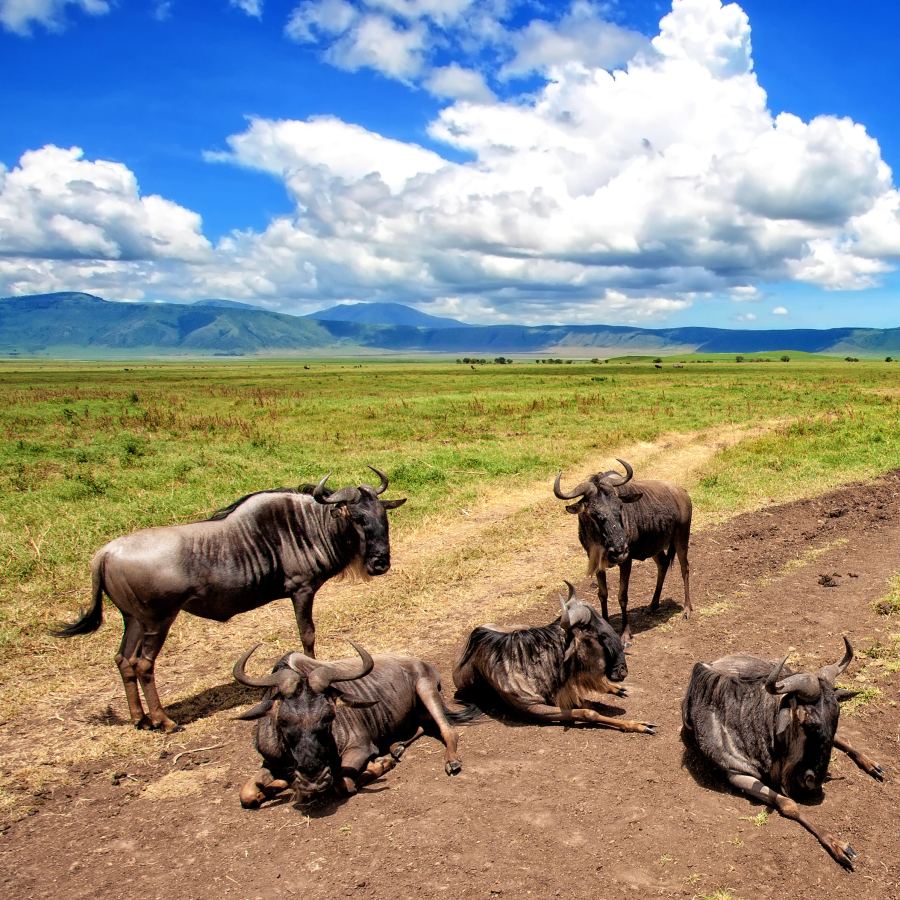
Day 5-8: The Serengeti — Four Nights in the Heart of the Wild
Day five marks the moment your itinerary reaches its dramatic centrepiece. Flying from Manyara airstrip into the central or northern Serengeti (depending on the season and migration location), you land on a bush airstrip with no tarmac, no terminal, and the sound of wind through the grass. Your guide and vehicle are already waiting. Within minutes of landing you may be watching lion cubs playing around a kopje or a cheetah scanning the plains from a low termite mound. This is the Serengeti, and it is everything.
Four nights in the Serengeti is the minimum duration that allows the ecosystem to reveal its full depth. The first full day is invariably one of adjustment and discovery — learning the landscape, establishing the resident wildlife in your area, understanding the patterns of predator activity and prey movement. By the second day, the Serengeti begins to feel familiar in the best possible sense. By the third and fourth days, your guide is following individual animals, anticipating movements, and delivering experiences that would be impossible on a shorter visit.
The Serengeti days follow a natural luxury safari rhythm: a wake-up call before dawn, coffee and a light breakfast, departure at first light when predator activity is highest and the quality of natural light is at its most extraordinary. A long morning drive until mid-day. Return to camp for a substantial brunch, a rest during the heat of the day, then departure again in the late afternoon for the evening drive that ends as the sun turns the sky crimson and the bush falls into its night chorus. This rhythm — ancient and perfect — is one of the things guests remember most about the Serengeti experience.
Day 9-10: Zanzibar — Beach and Spice Island Finale
After four full days in the Serengeti, a short domestic flight connects you to Zanzibar's Abeid Amani Karume International Airport. The transition from the tawny grasslands of the bush to the turquoise waters, white sand, and coconut palms of the Indian Ocean coast is one of the most satisfying contrasts in travel. Zanzibar serves as the perfect decompression after the intensity of the safari — a place to slow down, swim in warm clear water, eat extraordinary seafood, and reflect on everything you witnessed in the wild.
Two nights on Zanzibar is the minimum, and we typically recommend staying on the north-east coast at Nungwi or Kendwa for the calmest seas and most consistent swimming conditions. Stone Town, Zanzibar's historic capital and a UNESCO World Heritage Site, merits a half-day visit for its labyrinthine alleys, spice market, and extraordinary fusion of Swahili, Arabic, and Portuguese architectural influences. A spice tour through the island's productive vanilla, clove, and cinnamon plantations is a sensory finale to the journey. On the last evening, watching the dhow boats sail across the sunset from a beach restaurant is the perfect last image of an East African adventure.
The best itinerary is not the one that visits the most places — it is the one that gives each place the time it deserves to reveal itself completely.
- Day 1-2: Arusha arrival and Tarangire National Park
- Day 3-4: Ngorongoro Crater
- Day 5-8: Serengeti National Park (4 nights)
- Day 9-10: Zanzibar beach extension
- Internal flights used throughout to maximise field time
- Fully customisable for any travel dates and group size