
How we ranked the best safari locations in Africa
Ask ten safari operators to name the best safari locations in Africa and you will get ten confident, contradictory answers. This is ours — and we will be upfront about our bias from the start. Sokwe Africa Safaris is a Tanzanian operator based in Arusha, so we know the East African parks the way you know your own street. But we have sent travellers to Botswana, Zambia, South Africa and Namibia for years, we hear their honest reports when they return, and this ranking reflects what actually delivers on the ground, not what flatters our own doorstep.
Our criteria are simple and practical. How reliable is the wildlife, day after day, not just on a lucky morning? How spectacular are the landscapes? How well does the destination suit a first-timer versus a seasoned safari-goer? And what does it honestly cost in 2026? Every destination below is genuinely world-class, but they are very different from one another, and matching the right park to the right traveller is the whole art of planning a safari. Here is the countdown.
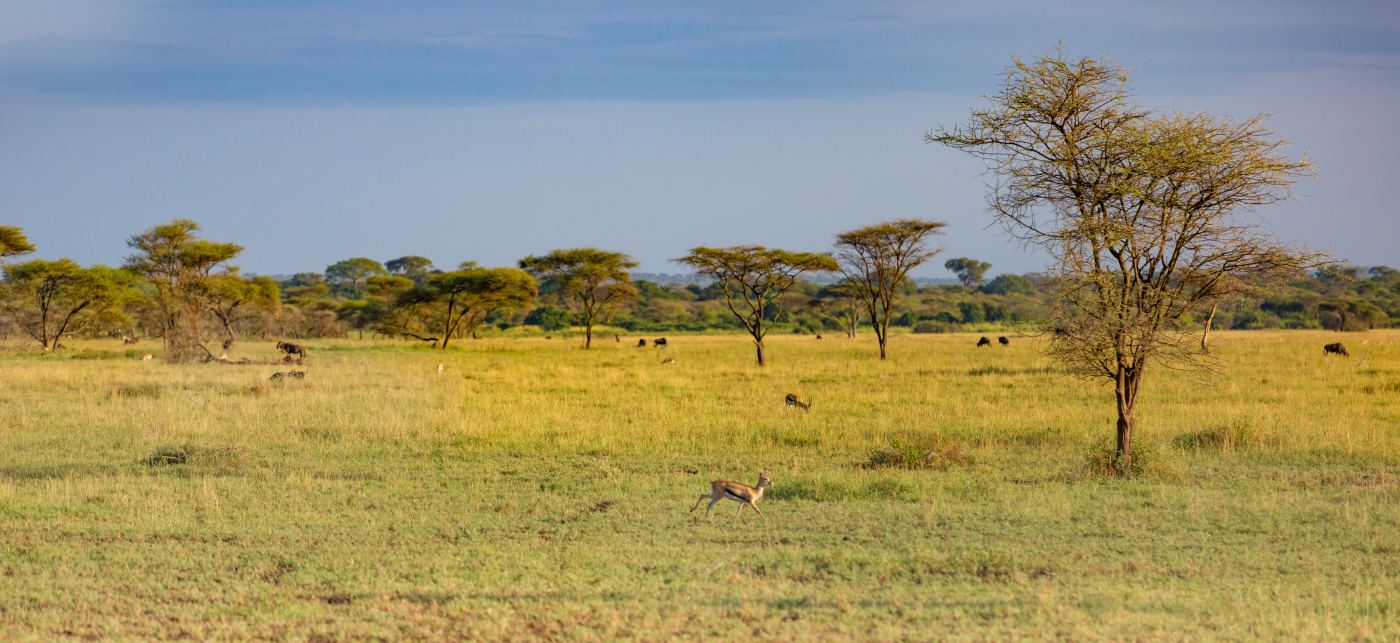
1. Serengeti national park, Tanzania
The Serengeti tops this list, and not because we are Tanzanian. It tops almost every serious ranking ever compiled, for reasons that survive any amount of scrutiny. It is the stage for the great migration, the largest overland movement of animals on Earth — around two million wildebeest and zebra in perpetual motion, trailed by the densest lion population in Africa. Crucially, the Serengeti is superb even away from the herds: resident game across its 14,750 square kilometres means that leopard, cheetah, elephant and big lion prides are reliable twelve months a year.
The scale is what stays with people. The name comes from the Maasai word siringet, the place where the land runs on forever, and no photograph prepares you for it. The Serengeti is also remarkably flexible: budget camping safaris from around 250 US dollars per person per day, mid-range lodges from 400 to 600 dollars, and superb luxury camps from 800 dollars upwards, with river crossings in the north around July to October and the calving season in the south in January and February. If you only ever do one safari, this is where it should be.
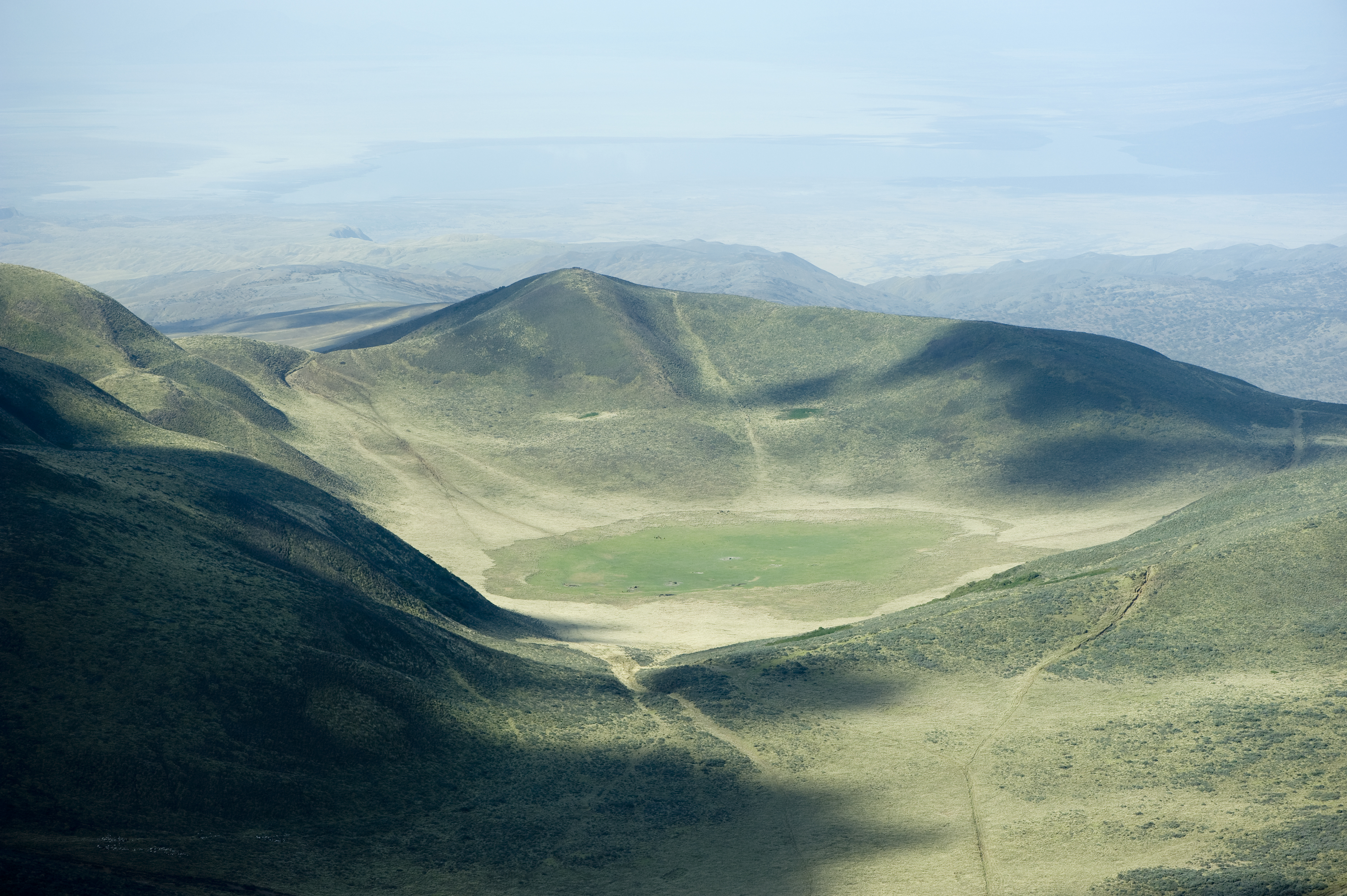
2. Ngorongoro crater, Tanzania
Two hours from the Serengeti sits the most extraordinary single game-viewing arena on the planet. The Ngorongoro Crater is a collapsed volcano, a 260 square kilometre bowl with walls 600 metres high, holding roughly 25,000 large animals in permanent residence. Nowhere else in Africa can you reliably see lion, elephant, buffalo, hyena and — critically — the endangered black rhinoceros in a single morning. For Big Five certainty, nothing on the continent comes close, which is why it anchors virtually every northern Tanzania itinerary we build.
The honest caveats: the crater floor is busy in peak season, and it is a half-day to full-day experience rather than a multi-day destination — most travellers spend one night on the rim between the Serengeti and Tarangire. Crater fees are meaningful, around 300 dollars per vehicle plus per-person conservation fees, so it is not a budget add-on. But as a concentrated dose of pure wildlife spectacle, framed by a 600 metre volcanic wall with cloud pouring over the rim at dawn, it is unrepeatable, and skipping it to save money is a decision travellers regret.
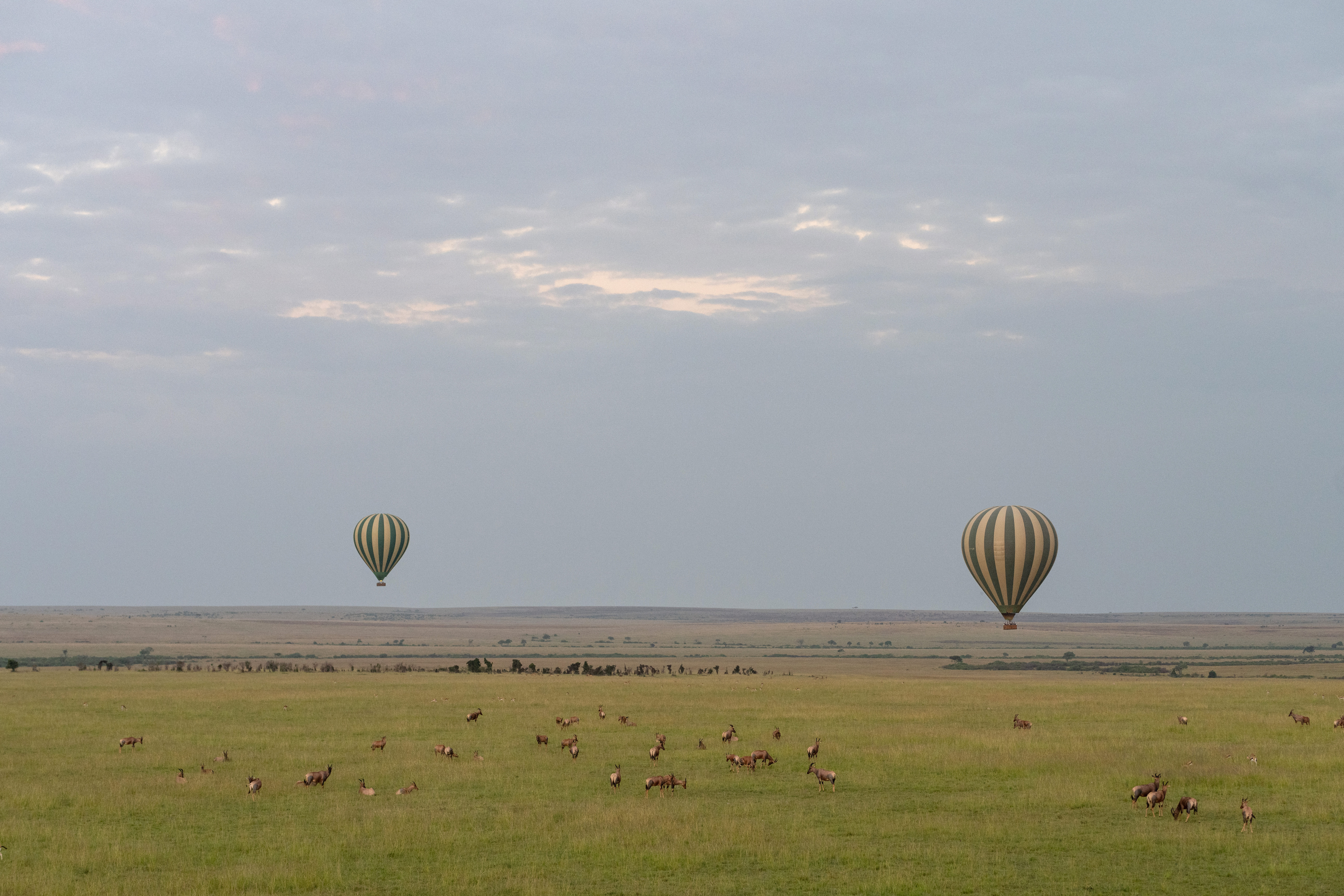
3. Masai mara, Kenya
The Masai Mara is, in essence, the northern extension of the Serengeti ecosystem across the Kenyan border, and it earns its fame honestly. From roughly July to October the migration herds pour into the Mara, and the Mara River crossings staged here are the images most people carry in their heads when they think of safari at all. The reserve has exceptional big cat densities year-round — the Mara's lion and cheetah viewing is arguably the most reliable in Africa — packed into a compact, beautiful landscape of rolling golden grassland.
The trade-offs are real. The Mara proper is small, around a tenth of the Serengeti, and in peak season the vehicle crowds at big sightings can be dispiriting; the bordering private conservancies solve this elegantly but at 600 to 1,000 dollars per person per day. Many of our travellers combine Kenya and Tanzania in one trip, and it works beautifully. If forced to choose: the Mara for a short, intense safari in July to October; the Serengeti for everything else.
4. Okavango delta, Botswana
The Okavango Delta is the most distinctive safari environment in Africa: a 15,000 square kilometre inland delta where the Okavango River fans out into the Kalahari sands and simply evaporates, creating a maze of channels, lagoons and islands teeming with life. The signature experience is gliding through the reeds in a mokoro dugout canoe at water level, metres from elephants and red lechwe — a perspective no vehicle safari can offer. Predator viewing in the Moremi region and private concessions is outstanding, and wild dog sightings are among the best anywhere.
Botswana has deliberately chosen a high-cost, low-volume model, and the Okavango is priced accordingly: realistic 2026 budgets run from about 1,000 dollars per person per day in the green season to 2,000 or even 3,000 dollars at the best camps in the July to October peak, almost always flying in. What you buy is extraordinary exclusivity — a handful of guests in concessions the size of small countries. For a second or third safari with a generous budget, it is magical; as a first safari, the cost is hard to justify against East Africa.
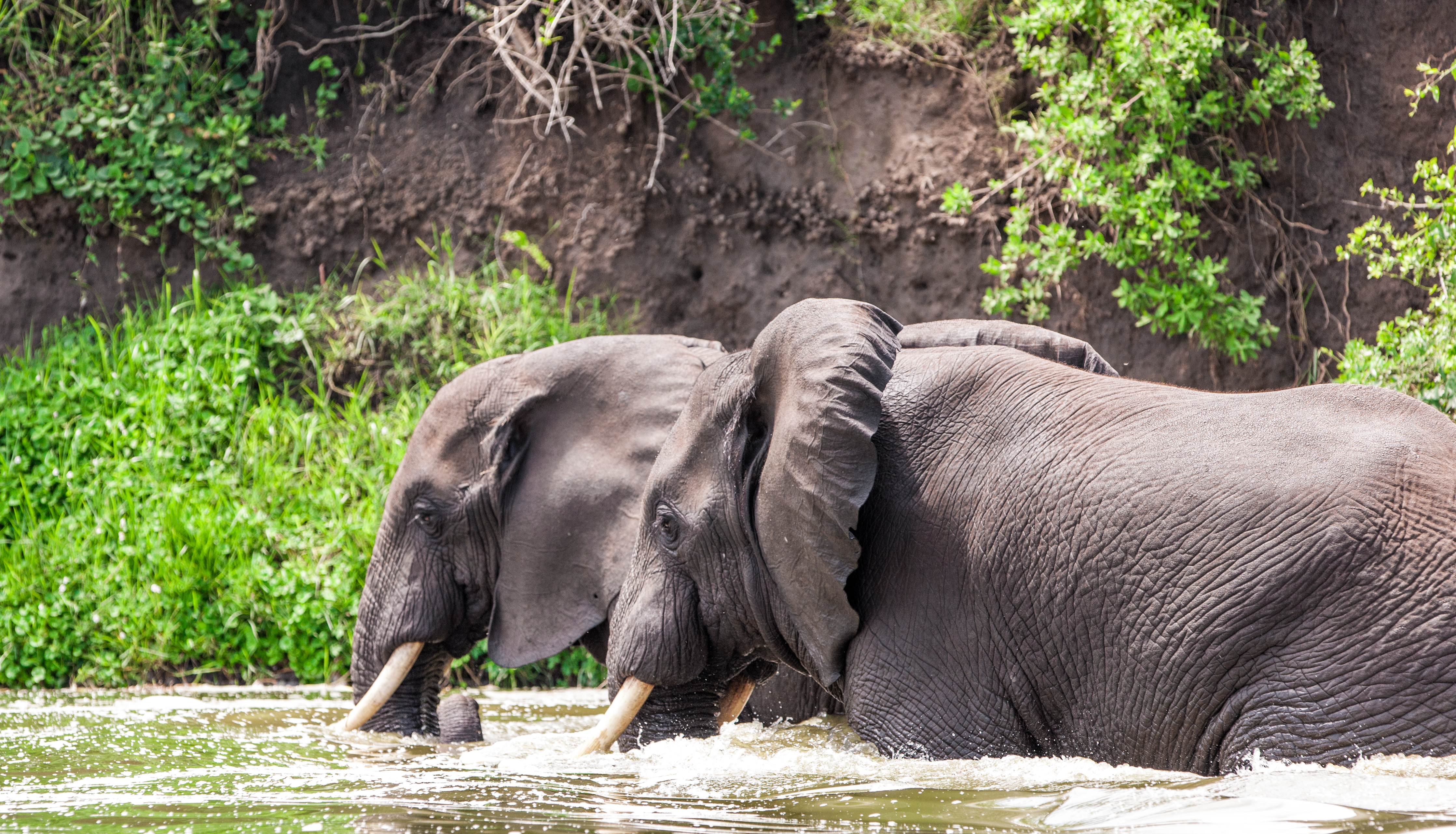
5. Tarangire national park, Tanzania
Tarangire is the quiet overachiever of this list, and the destination that most often stuns travellers precisely because they expected an appetiser. In the dry season, from June to October, the Tarangire River becomes the only reliable water for thousands of square kilometres, and the park concentrates one of the largest elephant populations in Africa — herds of several hundred are routine sightings, drinking and dusting beneath baobab trees that are themselves over a thousand years old. Lion, leopard and huge herds of buffalo, zebra and wildebeest follow the water in.
Because it sits a comfortable two hours from Arusha, Tarangire slots naturally into the classic northern circuit alongside the Serengeti and Ngorongoro, adding enormous value for little extra cost or driving. It is also noticeably quieter than its famous neighbours, particularly in the south of the park, where you can spend a full day among the elephants and baobabs almost alone. For birders, more than 500 recorded species make it arguably Tanzania's finest birding park. Ranked on elephants and atmosphere alone, Tarangire would sit even higher on this list.
6. South luangwa, Zambia
South Luangwa is the connoisseur's park, and the place where the walking safari was invented. Zambia's guiding standards are legendarily rigorous, and heading out on foot with an armed scout through the ebony groves and oxbow lagoons of the Luangwa Valley remains one of the most thrilling things you can do in Africa. The park is famous for leopard — arguably the most reliable leopard viewing on the continent, helped by night drives that are permitted here and forbidden in most East African parks — along with big lion prides, huge hippo pods and endemic subspecies of giraffe and wildebeest.
The dry season from June to October is prime, when game packs the riverbanks; many camps close in the rains from December to March, so timing is everything. Costs sit mid-market, typically 450 to 800 dollars per person per day — decent value for the quality of guiding. The honest limitation is reach: getting there takes more flights and effort than East Africa, and there is no headline event on the scale of the migration. A superb second safari; a slightly demanding first one.
7 and 8. Kruger and Etosha: the great self-drive safaris
Kruger national park, South Africa
Kruger is the most accessible of Africa's great parks and the most flexible. Nearly 20,000 square kilometres with excellent infrastructure, it offers everything from self-drive trips staying in national park rest camps for under 150 dollars per person per day to the ultra-luxury private reserves of Sabi Sands on its western boundary, where guaranteed leopard sightings and off-road driving justify rates of 1,000 dollars and up. All of the Big Five are present in strength, malaria risk is low in winter, and the surrounding roads, lodges and logistics are the smoothest in Africa.
What Kruger lacks is the wild grandeur of East Africa. Tarred roads, day-visitor traffic and fenced camps make much of the public park feel managed rather than untamed, and there is no spectacle to rival the migration. The private reserves fix the atmosphere but at East African prices. Kruger is a brilliant choice for self-drivers, families on a budget and travellers combining safari with Cape Town — and a slightly anticlimactic one if your dream is the endless, untouched horizon.
Etosha national park, Namibia
Etosha rounds out the list with a completely different proposition: safari as theatre, staged around water. In the dry season, from May to October, the waterholes fringing the vast Etosha salt pan become a procession of wildlife — elephant, giraffe, zebra, oryx and, remarkably, one of the world's largest populations of black rhino, which visit the floodlit waterholes at the rest camps after dark. Sitting quietly at Okaukuejo at midnight watching rhino drink is an experience no other park on this list can offer, and it is Africa's best-value self-drive after Kruger, pairing naturally with Sossusvlei on a Namibian road trip. The honest limitations: stark landscapes, lower predator densities than East Africa, and dispersed game in the rains.
Cost, seasons and how to choose
Stripped to essentials, the choice looks like this. For sheer wildlife spectacle and a first safari, northern Tanzania and the Masai Mara lead; for watery exclusivity with a big budget, the Okavango; for walking and leopard, South Luangwa; for self-drive value, Kruger and Etosha. On cost per person per day in 2026: Kruger and Etosha self-drive from 150 dollars, Tanzania camping from 250, mid-range East Africa 350 to 600, quality lodges and the Mara conservancies 600 to 1,000, Botswana 1,000 to 3,000. Season matters as much as destination: June to October is prime almost everywhere on this list.
The other variable is trip shape. East Africa rewards a single-country circuit — in Tanzania you can drive between four world-class parks in one seamless week, which is why a Tanzania wildlife safari delivers more variety per day and per dollar than anywhere else. Botswana and Zambia are fly-in destinations for travellers happy hopping between remote camps, while South Africa and Namibia suit independent souls who want their own wheels. None of these is wrong; they are different holidays that happen to share the word safari.
There are no bad choices on this list — only the wrong park for the wrong traveller. Matching them is the whole art of planning a safari.
Why northern Tanzania is the best first safari
Having ranked the continent as fairly as we can, here is the conclusion we keep returning to, and the one our returning travellers confirm year after year: for a first safari, nothing beats Tanzania's northern circuit. In a single road journey of seven to ten days you get the number one and number two destinations on this list — Serengeti and Ngorongoro — plus Tarangire's elephants and the flamingo-fringed shores of Lake Manyara, with no internal flights required. No other region in Africa lets you stack this much world-class game viewing into one seamless, drivable itinerary.
The northern circuit also spans every budget honestly, from camping safaris to some of the finest lodges in Africa, and it carries the migration — whichever month you travel, some phase of the greatest wildlife event on Earth is happening along your route: calving in the south in January and February, river crossings in the north from July to October, superb resident game in between. That year-round reliability is why the best safari in Tanzania debate is really about which combination of northern parks to choose, not whether to come.
- Serengeti — the migration and Africa's densest lions, year-round
- Ngorongoro — Big Five in a single morning, best rhino odds in East Africa
- Masai Mara — river crossings and big cats, July to October
- Okavango — mokoro exclusivity for 1,000 dollars a day upwards
- Tarangire — Africa's great elephant gathering, June to October
- South Luangwa — walking safaris and leopard
- Kruger and Etosha — the great self-drive value plays
Ready to choose? Tell us what you want and we will tell you honestly where to go
Rankings are useful, but the right answer for you depends on when you can travel, what you want to see, who is coming and what you want to spend — and an honest operator will sometimes talk you out of their own backyard. That is how we work at Sokwe Africa Safaris. Tell us what you are dreaming of — river crossings, elephants under baobabs, a floodlit waterhole, your children's first lion — and we will tell you plainly which of these destinations fits, and exactly how to do it well in 2026.
If the answer turns out to be Tanzania, as it usually is for a first safari, we will design the trip ourselves from our base in Arusha, with our own guides and vehicles and no middlemen. If it is elsewhere, we will say so and point you in the right direction. Get in touch through our contact page, tell us your dates and your dreams, and let us match you to the best safari location in Africa for you — not for us.
Tell Sokwe Africa Safaris what you want from a safari — we will tell you honestly where to go