
What Is the Great Migration
The Great Migration is the largest and most dramatic wildlife movement on the planet. Each year, approximately 1.5 million wildebeest, 300,000 zebra, and 500,000 Thomson's gazelle travel in a continuous circuit through the Serengeti ecosystem in Tanzania and the Masai Mara in Kenya, covering over 1,800 kilometres in search of fresh grazing and water. Driven entirely by rainfall and grass growth, this migration has no fixed start or end — it is a perpetual loop of life, death, and survival that has continued for hundreds of thousands of years.
What makes the Great Migration so compelling for safari travellers is not simply the scale — though a herd of half a million animals stretching to the horizon is a genuinely staggering sight — but the predator theatre that surrounds it. Crocodiles up to five metres long wait in the Mara River for the wildebeest crossings. Lions coordinate ambushes from the shadows of termite mounds. Cheetahs select targets from the flanks of moving herds. Every kilometre of the migration route is patrolled by the full cast of Africa's great predators, and the drama is relentless.
The Migration Calendar: Where to Be and When
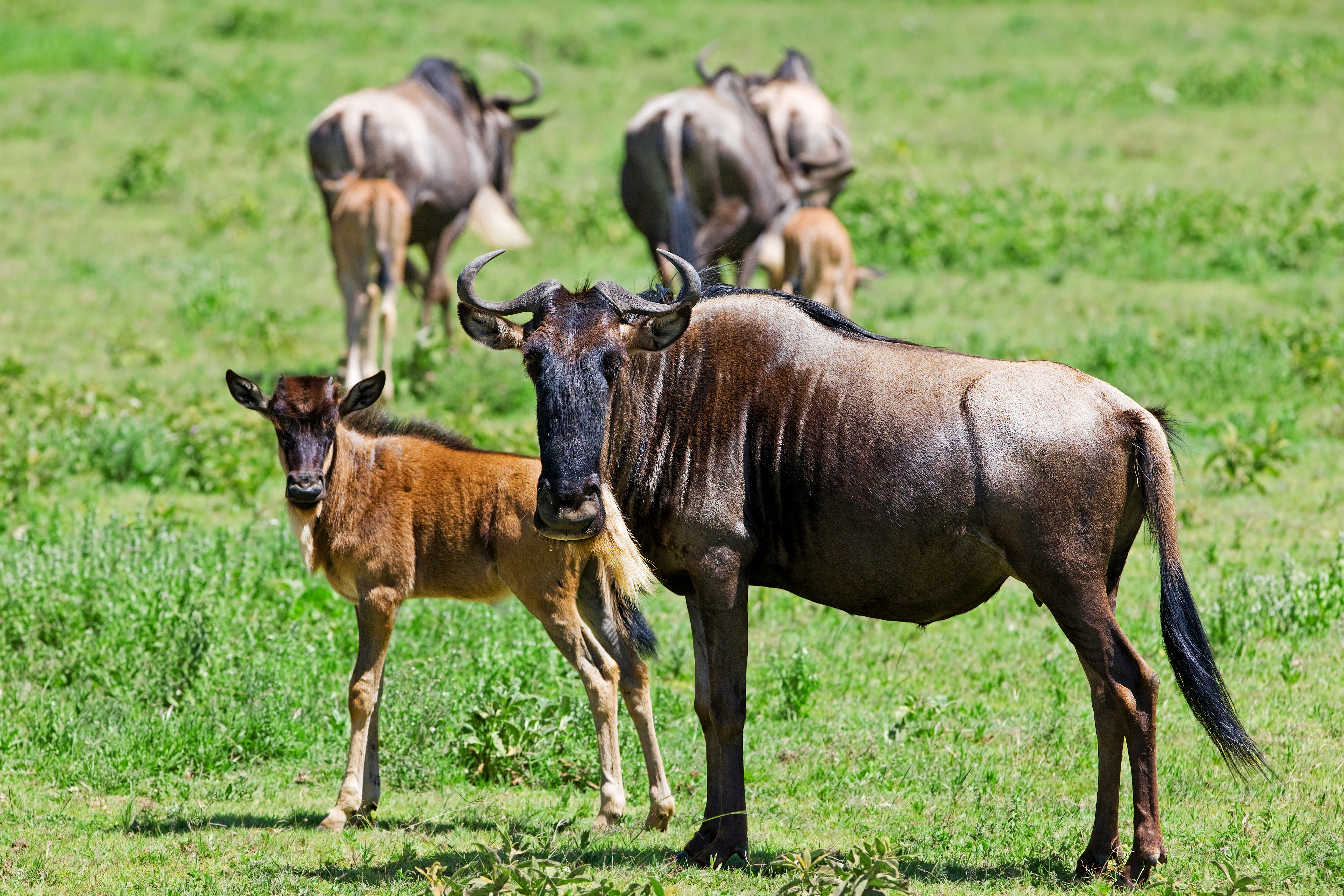
Understanding the Great Migration's annual calendar is the key to positioning yourself for the best possible sightings. The cycle begins in the southern Serengeti and Ngorongoro Conservation Area between December and March, when the short grass plains are rich with fresh growth following the rains. This is calving season — the period when the wildebeest reproduce en masse, with up to 8,000 calves born every single day at the peak. The southern plains are electrified with predator activity, and the sight of thousands of wobbling newborns against the vast green landscape is overwhelming.
From March through May, the herds begin moving northward through the central Serengeti as the long rains shift the grass growth patterns. June and July bring the herds into the western corridor and the Grumeti River region, where enormous Nile crocodiles have been waiting for months. The Grumeti crossings are less famous than the Mara crossings but every bit as intense — a smaller river with concentrated crocodile populations creates explosive action in a more intimate setting.
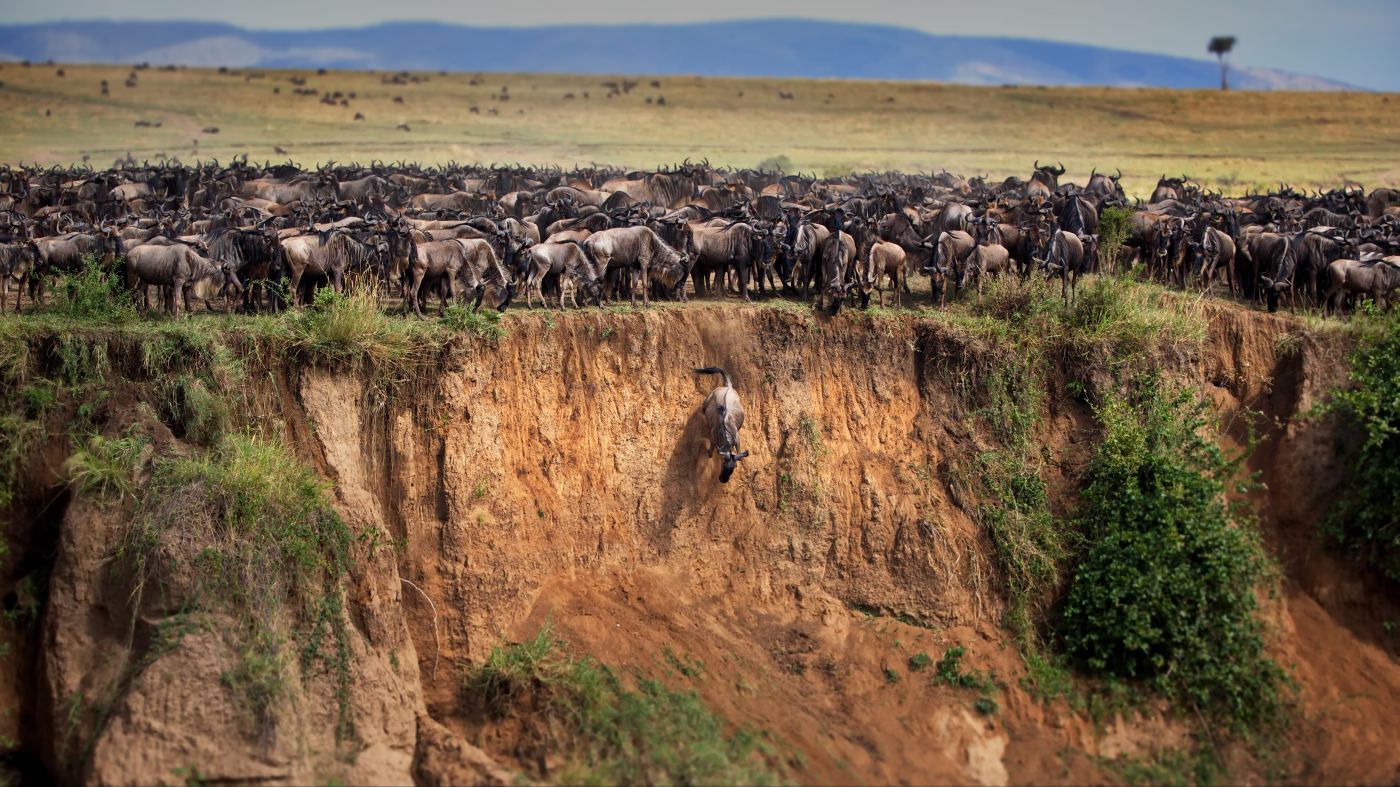
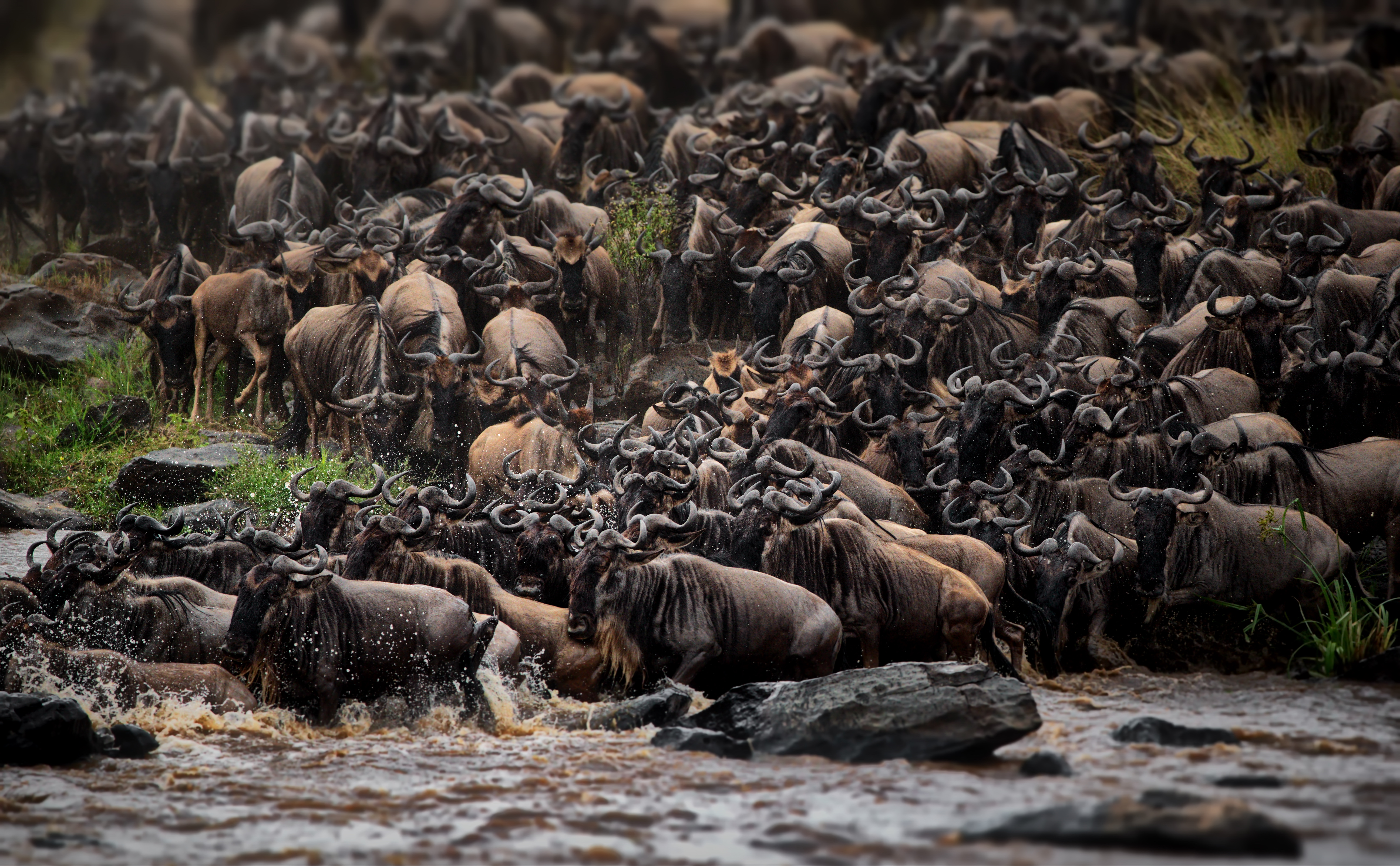
July through October is the peak of the migration experience for most travellers. The herds pour into the northern Serengeti, particularly the Lamai and Kogatende areas, and begin their crossings of the Mara River. These crossings — which can happen multiple times per day or not at all for several days at a time — are the most sought-after wildlife experience in Africa. The wildebeest gather on the banks in their thousands, milling and churning, until a trigger of unknown origin sends them plunging into the crocodile-filled waters in a thundering cascade. It is chaos and beauty in equal measure.
How to Position Yourself for the River Crossings
The Mara River crossings are not guaranteed on any given day. They are governed by animal instinct, water levels, predator pressure, and factors that no guide or scientist can fully predict. This is precisely why you need an experienced, highly connected guide who knows where the herds are massing, which crossing points are most active, and when the conditions are right. Sokwe Africa Safaris positions our guests in the northern Serengeti with guides who communicate constantly with trackers and fellow guides across the ecosystem.
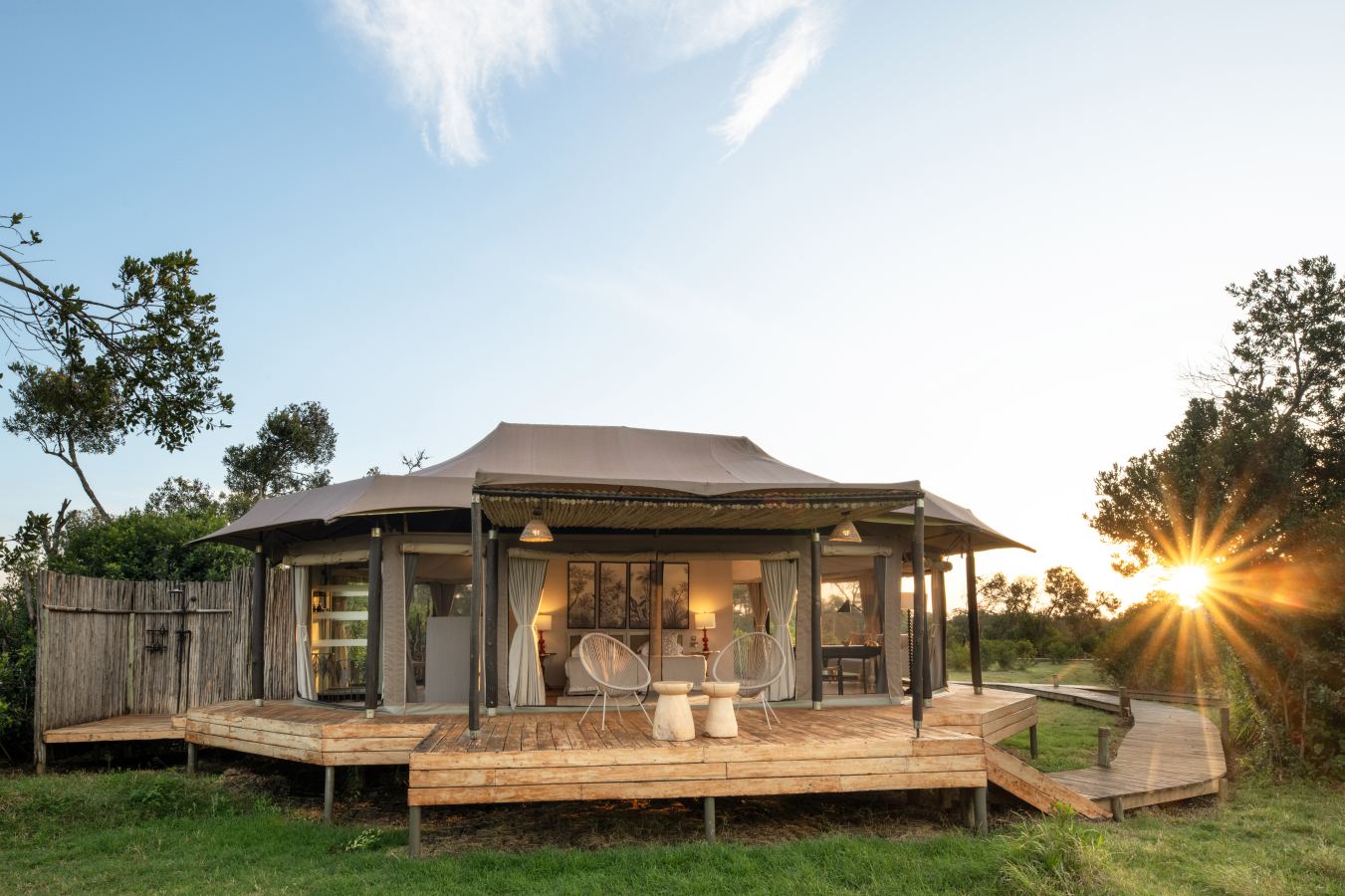
The ideal strategy for witnessing a crossing is to stay in the northern Serengeti for a minimum of three nights during the peak season. This gives you multiple opportunities over multiple days rather than the single-chance approach of a day trip from a distant camp. Luxury fly-camps positioned directly in the Lamai Wedge or along the Mara River offer the most intimate access — waking up to the sound of wildebeest grunting outside your tent and watching thousands of them move along the opposite bank is an experience that no amount of money spent on a single day's game drive can replicate.
Beyond the Crossings: The Full Migration Experience
While the Mara River crossings dominate the Great Migration narrative, the full experience is far richer than a single dramatic event. Travelling with the migration means encountering the ecosystem at its most alive — vast columns of wildebeest moving in formation across the plains, zebra acting as sentinels, Thomson's gazelle weaving through the outer flanks. It means watching a lioness separate a wildebeest calf from the herd in a textbook ambush, or finding a cheetah coalition resting after a morning hunt with blood still visible on their faces.
A comprehensive Great Migration safari with Sokwe Africa Safaris can be structured to follow the herds through multiple phases of the cycle. Combining a January visit to the calving grounds in the south with a July or August stay in the northern Serengeti for the crossings creates a complete narrative — you see new life arrive in January and the thundering culmination of the cycle in high summer. This dual-season approach is the way the most devoted safari travellers experience the migration, and it is one of the itinerary structures we design with great care.
Planning Your Great Migration Safari
The northern Serengeti is not a place for large lodge operations. The most coveted camps here are small — eight to twelve tents at most — positioned within walking distance of active crossing points. These camps are booked one to two years in advance by travellers who understand that proximity matters enormously. If you are planning a Great Migration safari for 2026 or 2027, the time to start planning is now. Sokwe Africa Safaris has relationships with the finest small camps in the northern Serengeti and can secure preferred positioning that is simply not available through general booking channels.
To watch the Great Migration is to understand that the wilderness is not a backdrop for human life — it is the original stage upon which all life unfolds.
- December–March: Calving season in southern Serengeti
- June–July: Grumeti River crossings
- July–October: Mara River crossings in northern Serengeti
- Best camps: Small, private, directly on migration routes
- Minimum stay for crossings: 3 nights in northern Serengeti