
Two Icons of the African Wild
When planning a Tanzania safari, two names dominate the conversation: the Serengeti and the Ngorongoro Crater. Both are UNESCO World Heritage Sites. Both support extraordinary densities of wildlife. Both are internationally recognised as among the greatest wildlife destinations on the planet. But they are remarkably different experiences, and understanding what distinguishes them is essential for building an itinerary that delivers what you are actually looking for in the African wilderness.
The Serengeti is vast — an open, rolling grassland ecosystem covering approximately 30,000 square kilometres, with landscapes that range from short-grass plains in the south to dense acacia woodland in the north. It is a place of movement, of the horizontal, of the endlessly dynamic. The Great Migration defines its rhythm, and its scale is its first and most powerful impression. The Ngorongoro Crater, by contrast, is vertical — a collapsed volcanic caldera 20 kilometres in diameter and 600 metres deep, forming a self-contained ecosystem of extraordinary density and intimacy. Descending into the crater is one of the most dramatic game drive experiences in all of Africa.
Wildlife: What You Can Expect in Each Destination
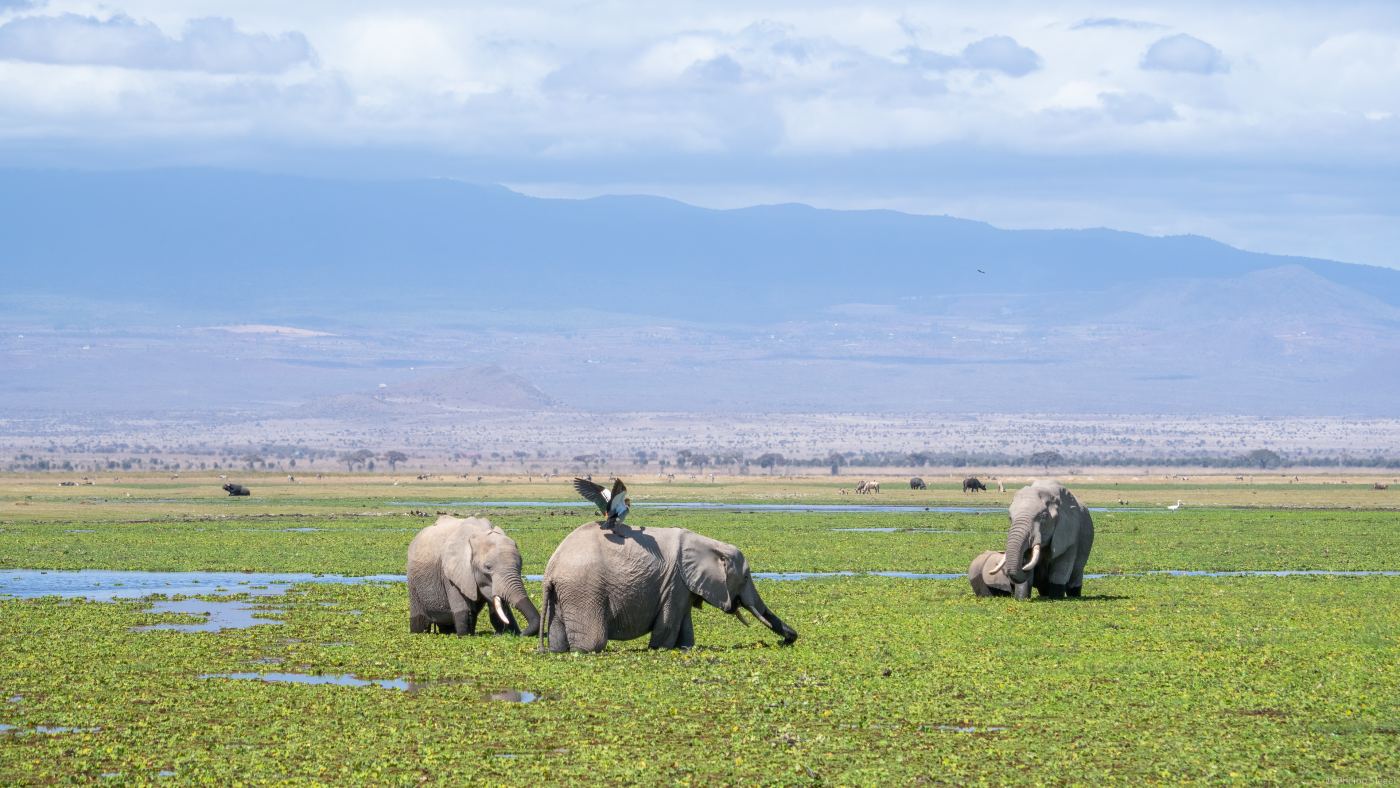
The Serengeti supports the Big Five — lion, leopard, elephant, buffalo, and rhino — alongside cheetah, wild dog, hyena, giraffe, zebra, and the full complement of East African plains game. Its wildlife density is highest during the dry season (June to October) when animals concentrate around water sources, and during calving season (January to February) when predator activity in the south is at its most intense. The sheer scale of the Serengeti means that finding wildlife requires skill, patience, and a guide who knows the ecosystem intimately.
The Ngorongoro Crater offers something different: concentration. The crater's walls act as a natural enclosure, retaining a permanent population of approximately 25,000 large mammals year-round. The crater holds one of the highest densities of lions in Africa and one of the last viable populations of black rhino on the continent — spotting rhino in the Ngorongoro Crater, while never guaranteed, is far more likely than anywhere else in Tanzania. Elephants, hippos, flamingos on the soda lake, and enormous herds of buffalo fill the crater floor in a tableau of wildlife so dense it can feel almost theatrical.
The Experience: Open Plains vs the Crater Floor
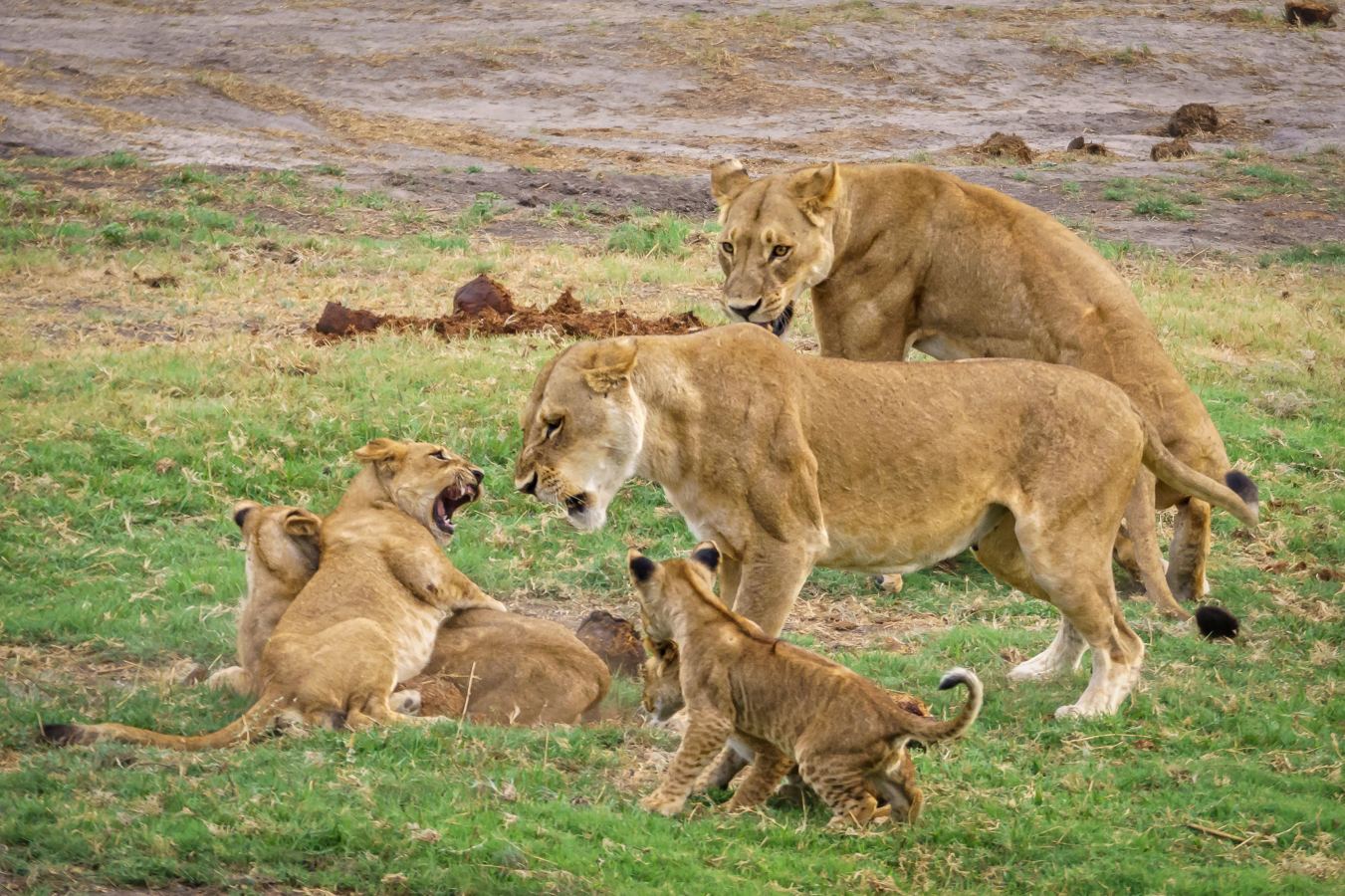
Driving in the Serengeti is a full day, often multi-directional experience. You may travel 80 kilometres in a morning, following predator movements, tracking the migration, or simply covering the landscape as your guide reads the signs of animal activity. The Serengeti rewards the patient and the curious — it is a landscape that gives more the more you invest in understanding it.
The Ngorongoro Crater is a day experience for most travellers. Vehicles descend the steep crater walls in the morning and must ascend again before sunset. The crater floor's compactness — every square kilometre contains remarkable wildlife — means that even a single day inside produces extraordinary sightings. For most guests, one day in the crater is satisfying; two days is ideal if you want a different circuit and different light conditions. The crater is also genuinely one of the most photogenic landscapes in Africa, with its rim often draped in morning mist and the floor a patchwork of grassland, forest, and glittering soda lake.
An important consideration for Ngorongoro is the road quality on the crater floor. During the long rains (March to May), some sections become extremely muddy and certain areas may be restricted. In the dry season, the compact nature of the crater means a higher concentration of vehicles around popular sightings. Choosing a guide who can navigate the crater circuit with intelligence — arriving early, avoiding the main concentration of vehicles, using knowledge of animal patterns to anticipate locations — transforms the experience significantly.
Can You Do Both? Combining Serengeti and Ngorongoro
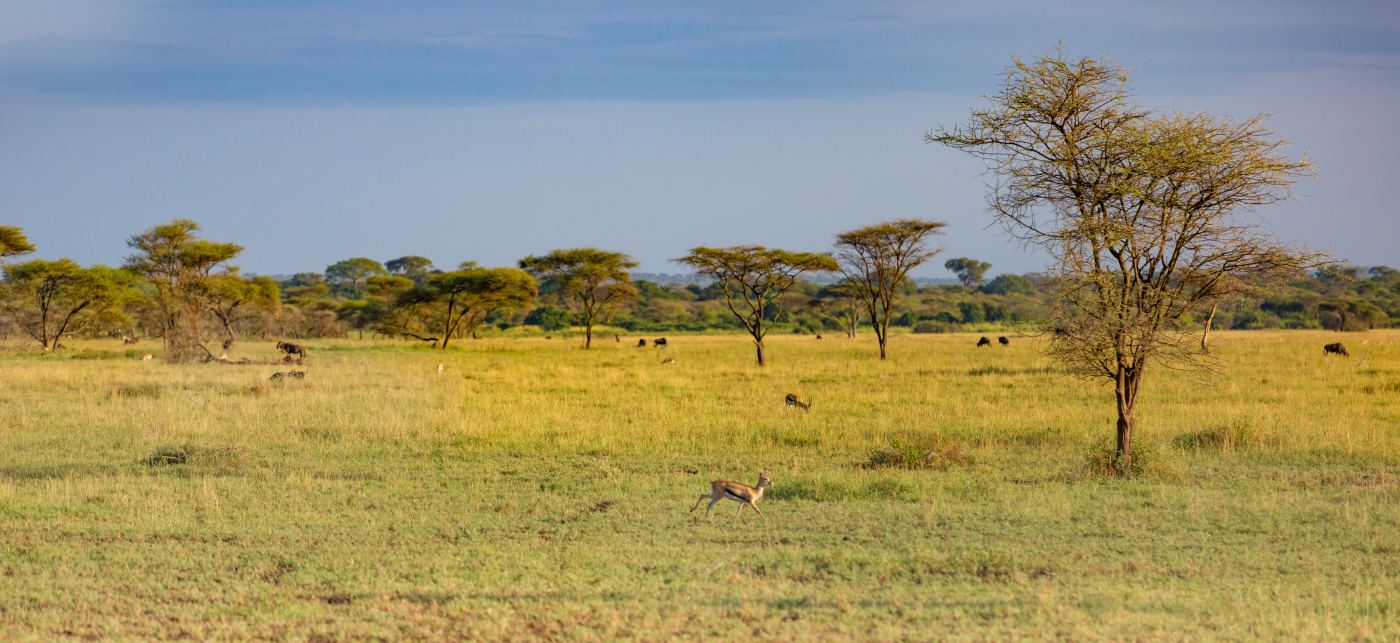
The great news for Tanzania safari planning is that the Serengeti and Ngorongoro are geographically adjacent and almost always combined on a single itinerary. The drive between Arusha and the Ngorongoro Crater takes approximately two to three hours. The Serengeti's southern entrance gate is a further two to three hours beyond the crater rim. A well-designed itinerary of seven days or more can comfortably incorporate both destinations, with additional time in Tarangire National Park for elephant concentrations and the option of a Zanzibar beach extension at the journey's end.
At Sokwe Africa Safaris, our most popular Tanzania safari itinerary combines three nights in the Serengeti (positioned according to season and migration location), one full day in the Ngorongoro Crater, and one to two nights in Tarangire. This structure delivers the breadth of Tanzania's wildlife landscape in a format that is comfortable, never rushed, and deeply rewarding. The question is not really Serengeti vs Ngorongoro — it is how to design an itinerary that gives each destination the time it deserves.
Which Should You Prioritise for a Short Safari
If you have only four days and must choose, the answer depends on your priorities. For the Great Migration or an epic predator experience spread across an enormous landscape, choose the Serengeti. For guaranteed high-density wildlife in a compact, visually dramatic setting — particularly if rhino is a priority sighting — choose the Ngorongoro Crater. For families with younger children who may have shorter attention spans on long drives, the crater's compact and intensely rewarding circuit is often the better starting point. For first-time safari travellers with more time, both — always both.
The Serengeti shows you what freedom looks like. The Ngorongoro shows you what abundance looks like. Tanzania gives you both within a single journey.
- Serengeti: Best for migration, vast landscapes, big cat encounters
- Ngorongoro: Best for high density, rhino sightings, dramatic crater views
- Ideal duration: 3 nights Serengeti + 1-2 days Ngorongoro
- Best combined with: Tarangire for elephants and Zanzibar for beach
- Year-round destination: Both excellent in every season