
The short answer, before the detail
Ask when is the best time to visit Tanzania and most guides will answer as though you were only going on safari. But a real Tanzania holiday is rarely just game drives: most of our guests combine the parks with a Zanzibar beach stay, and a good number add a Kilimanjaro climb. Those three experiences run on three different clocks, and the honest whole-country answer is about lining them up. The headline version: June to October is superb for everything, January and February are the clever insider's window, and April and May are the months to avoid unless you know exactly what you are doing.
This article is deliberately the big-picture guide. We have separate, detailed articles on safari timing alone — including a full month-by-month safari breakdown and a guide to the green season — and we will point you to them where they help. Here, though, we are deciding your whole Tanzania vacation: how the country's two rainy seasons shape everything, what each of the three clocks — safari, beach and mountain — is doing in any given month, and how to combine them into one well-timed trip. By the end you should know roughly when to travel; we can then fine-tune the rest.
The two rains that shape everything
Everything about timing a trip to Tanzania comes back to two rainy seasons. The long rains fall from roughly mid-March to the end of May: heavy, persistent afternoon downpours that turn tracks muddy, swell the humidity on the coast and wrap Kilimanjaro in cloud. The short rains arrive in November and sometimes spill into early December: lighter, briefer showers, typically an hour or two in the afternoon with sunshine either side. Between these two wet windows sit Tanzania's two dry seasons — the long dry from June to October, and the shorter green-but-dry window from January to mid-March.
Once you understand that rhythm, the whole country falls into place. The long dry season, June to October, is cool, dust-dry and reliable everywhere, which is why it is peak season for safari, beach and mountain alike. January and February form a second, warmer dry spell — locals call it the little dry — that is nearly as dependable and noticeably better value. The long rains of April and May are the genuine low season, when some camps close and beach hotels empty. The November short rains are the most misunderstood period of all, and we will give you the honest verdict on them further down.
Clock one: safari seasons in the parks
For wildlife, the best time to go on safari in Tanzania is the dry season, June through October. As surface water disappears, animals concentrate around rivers and waterholes, the grass drops so sightings are easy, and in the northern Serengeti the wildebeest migration produces its famous Mara River crossings from about July to early October. This is the safari at its most reliable, and unsurprisingly its most expensive and busiest — the best camps for July and August genuinely sell out eight to twelve months ahead, so this window rewards early planning more than any other.
The second great safari window is calving season, late January through February, when the migration masses on the short-grass plains around Ndutu in the southern Serengeti and drops around eight thousand calves a day. Predator action is at its annual peak, the light is beautiful, and prices sit usefully below the July peak. The green season months either side — March, and again late November into December — offer lush scenery, superb birding and real discounts in exchange for some afternoon rain. April and May are the trade-off's far end: rock-bottom rates, very quiet parks, and enough rain that we only recommend them to flexible, experienced safari-goers.
That is the compressed version, and for most travellers deciding a whole trip it is genuinely enough. If you want the fine grain — exactly where the migration herds are in June versus September, which parks shine in which month, what Tarangire does in the dry season that the Serengeti does not — our dedicated safari timing articles walk through all of it month by month. For this article's purpose, hold onto the simple shape: June to October superb everywhere, January and February superb in the south Serengeti, the rest a sliding scale of value against rain.
Clock two: Zanzibar weather and the beach
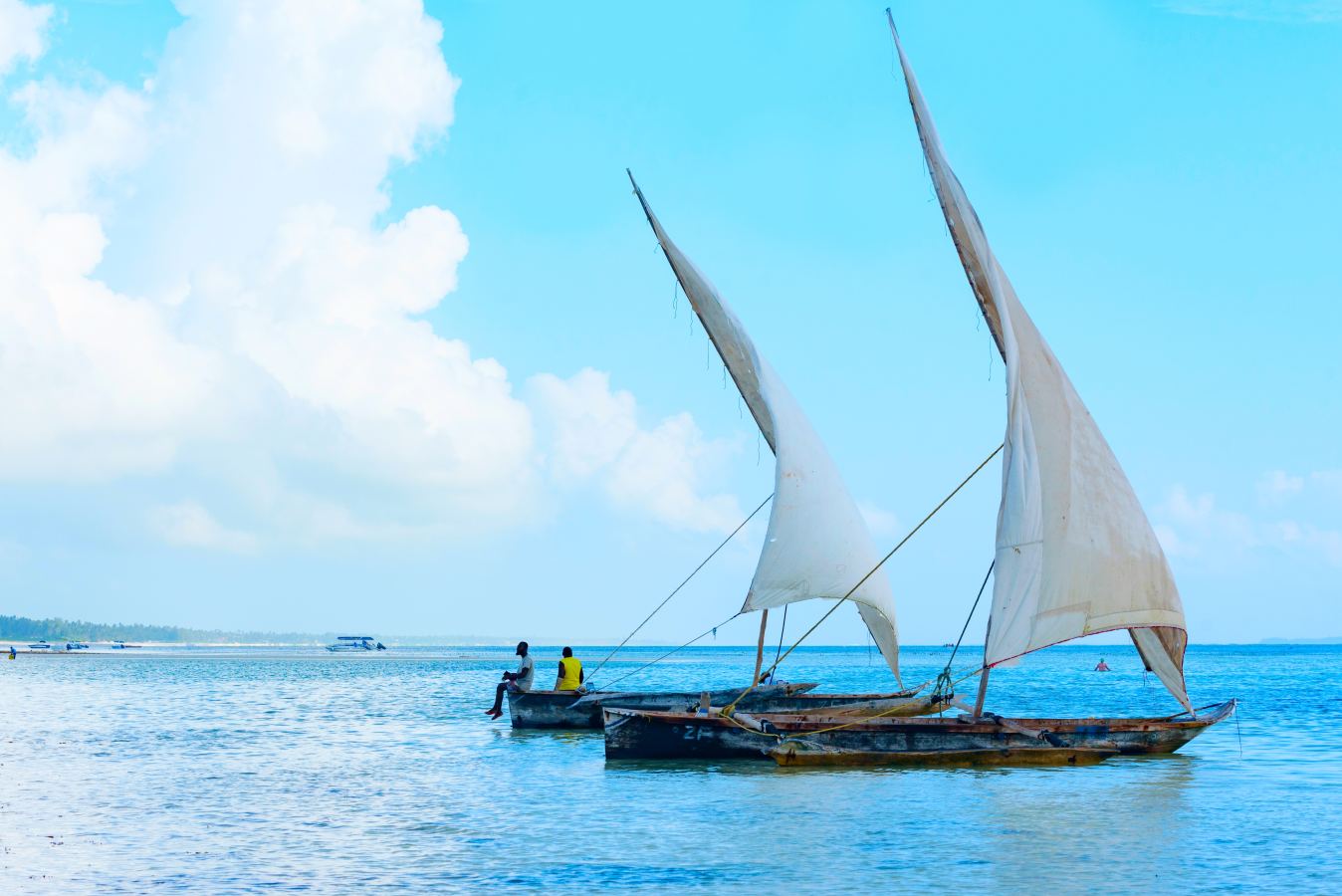
Zanzibar sits in the same weather system, so its calendar rhymes with the mainland's — but the coast feels the seasons differently. June to October is glorious beach weather: temperatures around 28 degrees, low humidity, steady breezes and day after day of sunshine. December through February is hotter and stickier, with temperatures pushing into the low thirties, but still reliably sunny and very much beach season — this is when European visitors escape their winter, and the island's festive-season hotels price accordingly. For pure swimming-pool-flat ocean and postcard skies, those two windows are Zanzibar at its best.
The long rains hit the island hard: April and May bring the wettest weeks of the Zanzibar year, and many of the better beach hotels simply close for refurbishment. The November short rains are far gentler on the coast — usually a dramatic hour of rain and then sunshine — and November Zanzibar is one of the best-value luxury beach buys anywhere in the Indian Ocean. One practical note for divers and kite-surfers: the monsoon winds swap direction seasonally, so the ideal months vary by activity and by coast, which is exactly the kind of detail worth asking us about when we build your itinerary.
Clock three: Kilimanjaro climbing windows
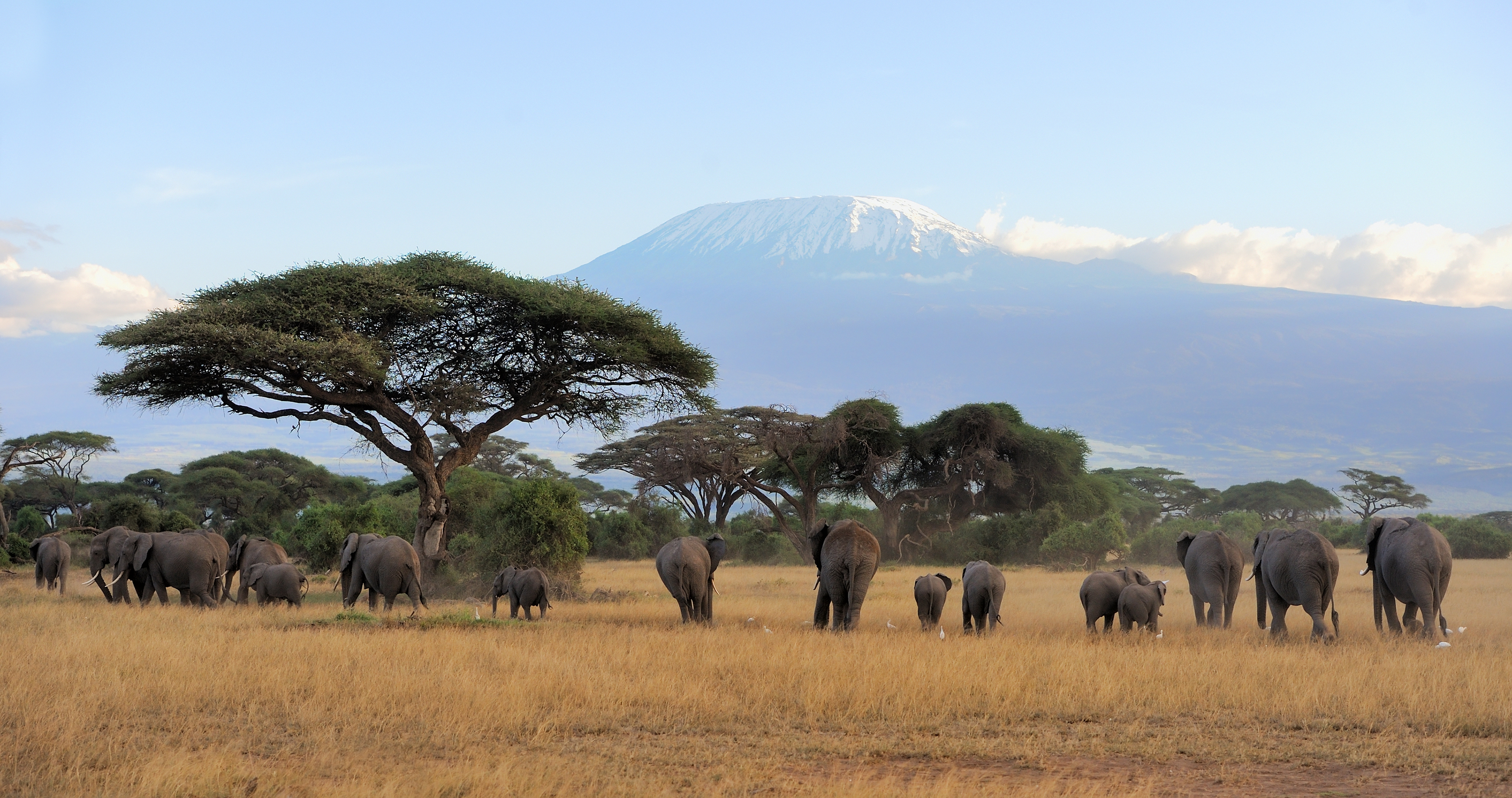
Kilimanjaro can technically be climbed year-round, but two windows give you the best odds of dry trails and a clear summit morning. The main Kilimanjaro season runs January to mid-March: warm, largely dry, with quieter slopes than the other peak and often crisp, clear summit views — many guides quietly rate February the single best month on the mountain. The second window is June to October, colder on the summit push but very dry and reliable, coinciding with the safari high season, which is why it is the busiest period on the popular routes.
The months to avoid on the mountain are unambiguous: April and May, when the long rains make the forest zone a mud-bath and summit success rates drop, and November, when the short rains do a milder version of the same. A serious climb needs six to eight days on the mountain — the seven-day Machame or eight-day Lemosho routes give the acclimatisation that pushes summit success above ninety per cent — and budgeting around 2,500 to 4,500 US dollars per person for a properly run private climb in 2026 is realistic. Cheap climbs cut days and porter welfare; the mountain punishes both.
Lining up all three clocks for one trip
Now put the clocks side by side and the combined-trip answer emerges cleanly. From June to October, all three are at or near their best simultaneously: dry-season game viewing, perfect Zanzibar weather and a reliable climbing window. This is why it is peak season, and if your dates fall here, your only real task is booking early — nine to twelve months out for the best camps — and accepting peak pricing, roughly 450 to 900 dollars per person per night for a quality lodge safari in 2026, and more at the top end.
The insider's alternative is January and February. Safari is spectacular thanks to calving season, Zanzibar is hot, dry and swimmable, and it is arguably the best window of the whole year on Kilimanjaro. You give up the river crossings and gain lower prices, fewer vehicles and better mountain conditions — for a trip combining all three elements, we would honestly argue January-February edges out the famous months. The windows to avoid for a combination trip are April and May, when all three clocks strike wrong at once, and to a much lesser extent November, which we will defend in a moment.
Month by month: the quick verdicts
Here is the whole country, month by month, in quick-reference form. Each line gives the safari picture first, then the coast, then the mountain — the three-clock summary that answers when is the best time to visit Tanzania for your particular combination of interests.
- January — calving begins around Ndutu in the south Serengeti
- beaches hot, dry and busy after New Year
- excellent Kili window
- February — peak calving season, predator action at its best
- hot and reliably sunny on Zanzibar
- arguably the best Kili month of all
- March — green season value, herds still south early on
- coast increasingly humid, rains building late month
- climb early March, avoid late
- April — long rains, some camps close, deepest discounts
- wettest month on Zanzibar, many hotels shut
- avoid the mountain
- May — long rains easing late month, parks empty and lush
- still wet on the coast, improving by late May
- avoid the mountain
- June — dry season begins, migration heads north and west
- Zanzibar dry, breezy and gorgeous
- Kili season reopens, cold but clear
- July — prime dry-season safari, first Mara River crossings
- perfect beach weather
- peak climbing traffic, book routes early
- August — peak season everywhere, crossings in full swing
- cool, dry, idyllic coast
- busy but reliable on the mountain
- September — superb game viewing, slightly thinner crowds
- beautiful beach month
- excellent climbing conditions
- October — dry season finale, big cats around shrinking water
- hot, dry, quieter beaches
- last reliable Kili month before the rains
- November — short rains, migration moving south, big discounts
- brief showers, then sunshine, excellent hotel value
- marginal on the mountain
- December — herds arriving south, festive season from mid-month
- hot and sunny, Christmas premium pricing
- Kili window reopens late month
The honest take on shoulder months
Now the honesty that brochure calendars skip. The November short rains scare travellers off far more than they should. On a typical November day you get a dramatic downpour for an hour or two, then clear golden light for the rest of the day; the parks are green, the migration is on the move south, and both camps and beach hotels discount by twenty to forty per cent. For a safari-and-Zanzibar trip without a climb, November is one of the smartest-value bookings of the year, and we say that as the people who take the phone calls when it occasionally rains harder than average.
March is a similar story in miniature: early March often still delivers calving-season conditions at green-season prices, and the rains rarely arrive in force before the second half of the month. Early June, meanwhile, is a quiet gem — the parks have just dried out, the grass is still green, peak-season pricing has not fully kicked in and the July crowds have not arrived. Late May can even work for hardy travellers in the northern parks. Shoulder months reward travellers who accept a small weather gamble in exchange for meaningful savings and space.
The one window we will talk almost everyone out of is April to mid-May. It is not that Tanzania stops being beautiful — the light is extraordinary and photographers with time and patience do remarkable work then — but with camps closed, some roads difficult and Zanzibar at its wettest, it is a specialist's season, not a holiday-maker's. If those are genuinely your only dates, tell us; there are corners of the country and styles of trip that still work, but it needs designing around the rain rather than hoping it stays away.
Go deeper on timing: our guide to safari timing month by month and the case for a green season safari, plus everything on Kilimanjaro trekking and Zanzibar — or simply ask us directly.
There is no single best month to visit Tanzania — there is a best month for your particular mix of safari, beach and mountain, and finding it is the whole art of planning.
What the seasons do to prices
Season is the single biggest lever on the cost of Tanzania vacations, bigger than trip length and sometimes bigger than accommodation grade. The same lodge circuit that costs 450 to 900 dollars per person per night in August can drop to 300 to 550 in November or March, and green-season offers sometimes include extras such as free nights or included internal flights. Zanzibar follows the same curve, with festive-season Christmas and New Year rates forming a sharp premium spike of their own. Kilimanjaro pricing moves less with season, since crew and park fees are fixed, but permits and good outfitters get scarce in the peak windows.
The practical upshot: if your budget is fixed, moving your dates is usually a better economy than downgrading your camps. A February trip delivers a genuinely top-tier experience — calving season, hot beaches, prime Kili — at a meaningful discount to August, and a November safari-and-beach trip can cost a third less again. At Sokwe Africa Safaris we plan trips in every month of the year from our base in Arusha, and steering guests towards the window where their budget buys the most is a large part of what we actually do all day.
Tell us your window — we will tell you the truth
So, when is the best time to visit Tanzania? June to October if you want maximum reliability across safari, beach and mountain and can book early. January and February if you want calving season drama, hot Zanzibar days and the best of the Kilimanjaro season at gentler prices. November, early March or early June if value matters and a little rain does not frighten you. And April to mid-May only with your eyes open and a specialist itinerary. Whatever your combination — safari alone, bush and beach, or the full mountain-parks-island trilogy — there is a right month for it.
The easiest way to get this right is to stop staring at climate charts and simply tell us your travel window and your priorities — we will tell you honestly if it works and how to make it perfect, including when we think a different fortnight would buy you a dramatically better trip. Sokwe Africa Safaris is Tanzanian, Arusha-based and on the ground in these parks every week of the year, so the advice comes from experience rather than a brochure. Get in touch through our contact page, share your dates and dreams, and we will map your whole Tanzania holiday onto the right season, honestly and precisely.
Tell us your travel window — plan your Tanzania trip with Sokwe Africa Safaris