
Why the Timing of Your Safari Changes Everything
Tanzania is one of the few safari destinations in the world where the question of when to visit is as consequential as where to go. A traveller who visits the Serengeti in the right month, in the right zone, for the right experience returns with memories they will describe for the rest of their lives. A traveller who visits the same park in the wrong zone for the wrong season — or with the wrong expectations for what that season delivers — returns with a good trip that never quite became the extraordinary one it could have been. The best time to visit Tanzania for safari is not a single answer. It is the intersection of the traveller's specific wildlife priorities, their available time, their budget, and their tolerance for the trade-offs that each season brings.
What makes Tanzania's seasonal calendar more nuanced and more rewarding than most safari destinations is that it does not divide neatly into "good season" and "bad season." Every month in Tanzania offers compelling, world-class wildlife experiences — but the specific experience available changes dramatically with the season, and the traveller who understands those changes can use them to significant advantage. The green season visitor who knows to position themselves in the southern Serengeti near Ndutu in January will witness the calving season. The shoulder season visitor who knows that October delivers peak dry-season wildlife quality with fewer vehicles than August will find the experience more exclusive and more affordable. This guide provides the month-by-month intelligence that transforms good timing into great timing.
Seasonal timing also affects cost significantly. Our complete tanzania safari cost guide breaks down how pricing varies across peak, shoulder, and green seasons — and how timing your visit strategically can reduce costs by fifteen to forty percent without compromising the quality of the wildlife experience.
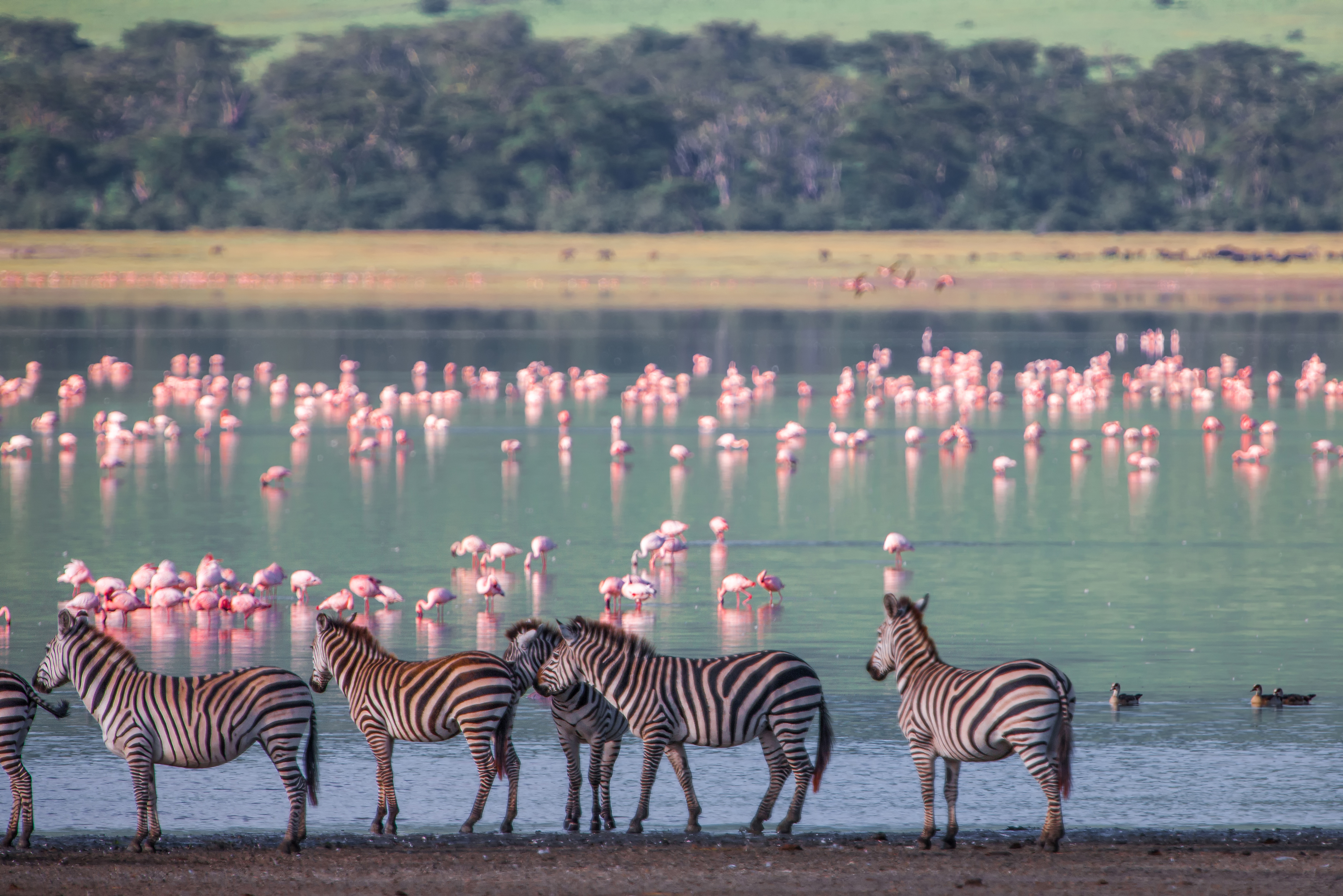
Tanzania's Seasons at a Glance
Tanzania's climate is structured around two rainy seasons and two dry periods that together create the framework within which the safari calendar operates. The long dry season from late June through October is the primary peak safari season — vegetation recedes, water sources concentrate, and wildlife becomes maximally visible across all major parks. The short dry season in January and February creates the calving season window in the southern Serengeti — a secondary peak of extraordinary wildlife intensity. The long rains from late March through May bring reduced visitor numbers and dramatically lower rates. The short rains of November and into early December refresh the landscape without significantly disrupting morning game drives.
Within this broad framework, it is important to understand that "rainy season" does not translate to "bad safari." The rains in Tanzania are almost always brief afternoon events that do not disrupt morning game drives — the most productive time for wildlife activity. The green season landscape is genuinely beautiful, the birdwatching is exceptional as migratory species arrive from the northern hemisphere, and the reduced visitor numbers during the long rains create conditions of exclusivity at the finest open camps that peak season cannot approach. Seasonal intelligence — understanding what each period genuinely offers rather than simply avoiding the months labelled "rainy season" — is what separates the best safari timing decisions from the merely conventional ones.
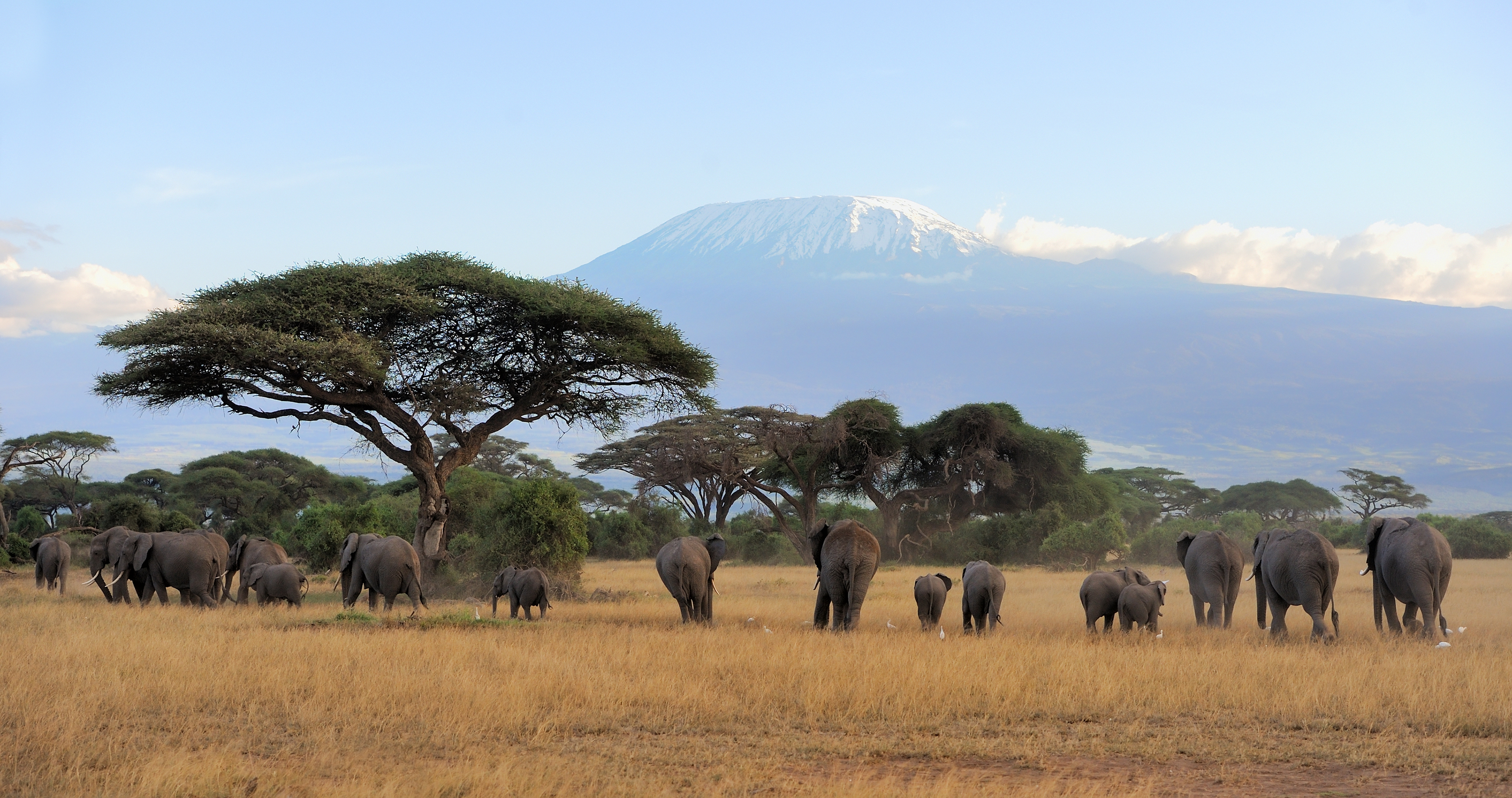
January — Calving Season and Extraordinary Predator Activity
January is one of the finest months of the entire Tanzania safari year and consistently surprises first-time visitors who expect the dry season to hold a monopoly on great wildlife. The Great Wildebeest Migration concentrates in the southern Serengeti and Ndutu plains during January for the calving season — one of nature's most extraordinary spectacles, in which approximately 500,000 wildebeest calves are born within a period of three to four weeks. The evolutionary strategy of predator saturation — so many calves arriving simultaneously that predators cannot consume them all — produces conditions of extraordinary predator activity across the southern plains, with lion prides, cheetah coalitions, hyena clans, and leopards all converging in response to the abundance of vulnerable prey.
The short grass plains of Ndutu during January provide exceptional game drive visibility — wide, open, and low, with sightlines stretching kilometres in every direction. Visitor numbers are significantly lower than the July-August peak, meaning the experience is more exclusive despite the extraordinary wildlife. Temperatures are warm and comfortable, typically between 25°C and 30°C, with brief afternoon showers that rarely disrupt morning drives. For the traveller whose schedule permits flexibility, January in the southern Serengeti is among the most intelligent and rewarding timing choices available.
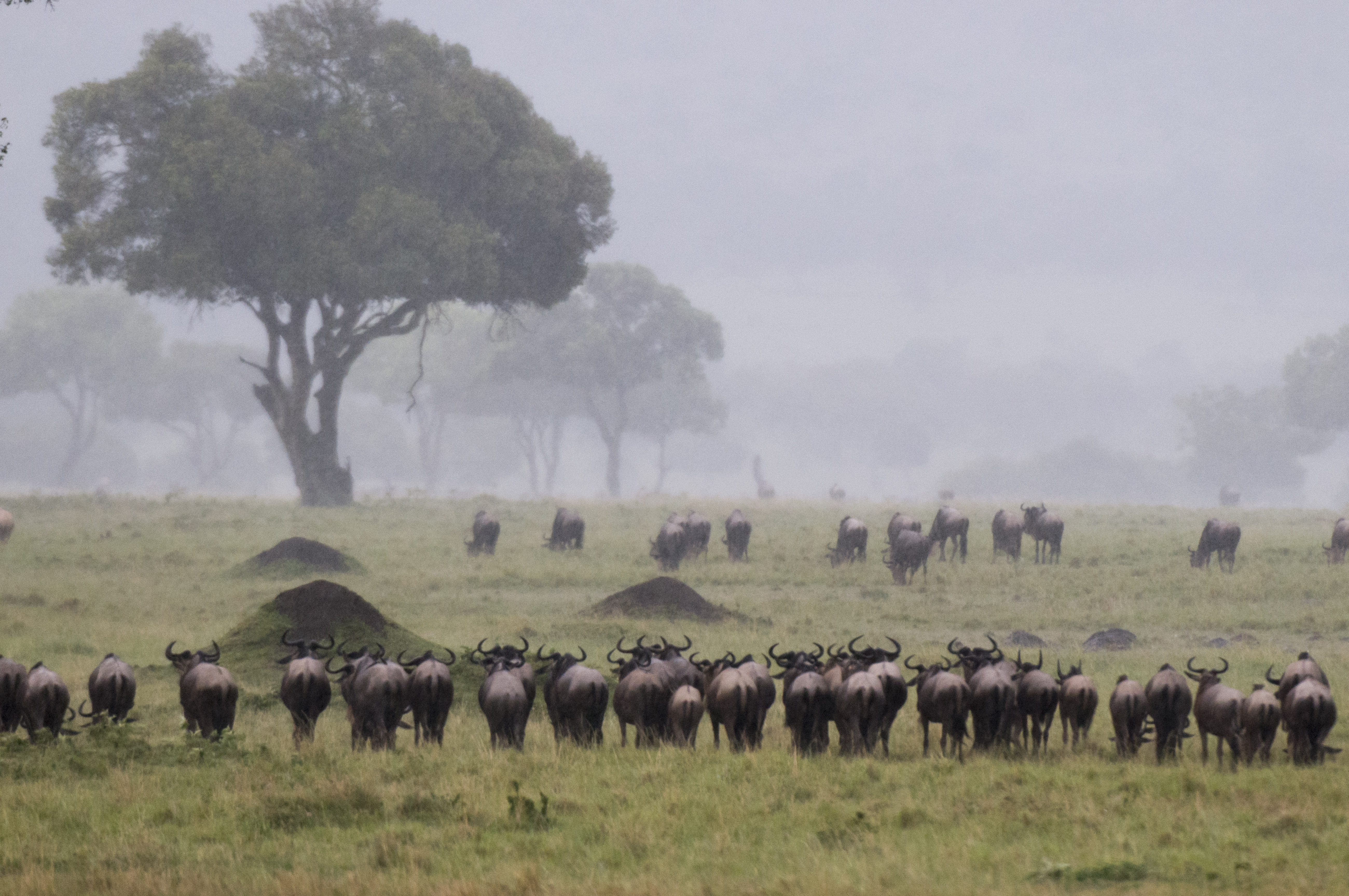
February — Peak Calving and the Finest Predator Encounters
February continues and intensifies the calving season experience, with the predator activity reaching its most dramatic peak as the concentration of vulnerable calves draws every major predator species to the southern Serengeti plains. Cheetah sightings in February near Ndutu are among the most consistent in the entire Tanzania safari calendar — the open short grass habitat is ideal for cheetah hunting, and the abundance of prey means they hunt frequently and successfully. Lion kills are daily occurrences across the calving plains, and the hyena clans that follow the lions provide some of the most intense predator interaction visible from a safari vehicle anywhere in East Africa.
The photography conditions in February are outstanding — the golden light of the East African summer, the open landscape, and the density of wildlife action create opportunities for wildlife photography that the closed, golden-grass landscape of the dry season cannot match in terms of subject diversity and foreground interest. February is also the last month before the long rains begin to build, meaning the landscape is at its most lush and green of any month outside the wet season proper. Visiting in February delivers the calving season experience with the green season landscape at its most photogenic — a combination that many experienced safari photographers specifically target.
March — The Landscape Transforms and Value Improves
March marks the beginning of Tanzania's long rains, and with them comes one of the most beautiful transformations in the East African safari calendar. The golden-grass Serengeti flushes green almost overnight as the first significant rains arrive, the acacia woodlands leaf out, and the sky fills with dramatic towering clouds that produce light of extraordinary quality during the brief windows between showers. Wildlife viewing in March is generally very good — the wildebeest migration is beginning its northward movement from the southern Serengeti, and the resident populations of lion, leopard, and cheetah remain fully present and active.
Camp rates in March reflect the approaching low season, with most luxury properties offering their first significant reductions of the year — typically fifteen to twenty-five percent below peak pricing. March represents an excellent value window for the traveller whose schedule is flexible: good wildlife, beautiful landscape, reduced visitor numbers compared to the dry season peak, and genuinely competitive rates at properties that deliver the same guiding quality and camp experience year-round. For the budget-conscious luxury traveller, March is one of the most intelligent timing choices in the Tanzania safari calendar.
For more detailed guidance on Tanzania's seasonal patterns and how they affect both wildlife and camp availability, our partners at Travelistia have published an authoritative guide to the best time to visit tanzania for safari written from a local operator's perspective that complements the month-by-month analysis in this guide.
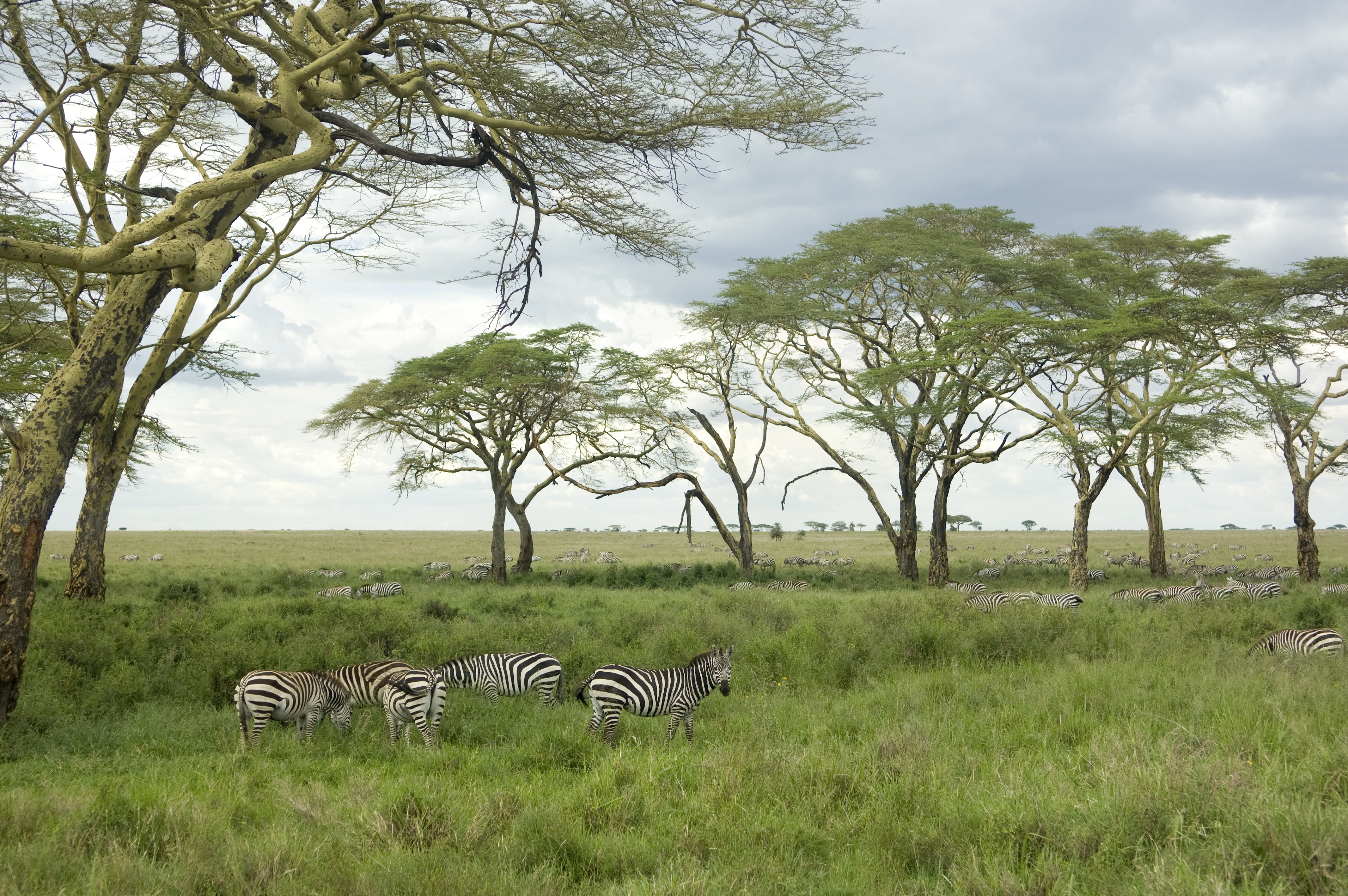
April and May — The Exclusive Green Season
April and May are the least visited months in Tanzania's safari calendar — and the most misunderstood. The long rains are at their peak during these weeks, most luxury camps close for maintenance and renovation, and the combination of mud, reduced visibility, and limited infrastructure deters the majority of safari travellers. For the small minority who understand what April and May actually offer, these months provide one of the finest-value and most exclusive safari experiences available anywhere in Africa. The camps that remain open — typically the finest and most professionally managed properties, which maintain availability for a small and discerning clientele year-round — offer rates of forty to sixty percent below their peak-season equivalent. The Serengeti during the long rains is lush, cinematic, and beautiful in ways that the dry season's golden palette cannot match.
The wildlife during April and May is the most underappreciated in the Tanzania calendar. The wildebeest migration is moving northward through the western Serengeti corridor toward the Grumeti River — the first significant river crossing of the annual cycle, which peaks in May and June. The migratory bird populations that flood Tanzania's parks during the wet season reach their maximum diversity in April and May, making these months the finest of the year for birdwatching. The number of other vehicles on the game drive circuits? Effectively zero. For the luxury traveller who values genuine exclusivity above all else, April and May at the open luxury camps represent the most intimate and affordable Tanzania safari experience of the year.
June — The Season Turns and the Grumeti Crossings Begin
June is one of the most dynamic and rewarding months in the Tanzania safari calendar — a transition month in which the rains recede, the landscape begins to dry and thin, and the wildlife activity associated with the dry season begins to build toward its annual peak. The Grumeti River crossings in the western Serengeti reach their peak in June — a prelude to the more celebrated Mara River crossings of July and August, but no less dramatic for those fortunate enough to be positioned correctly. The combination of increasingly good game viewing conditions, the excitement of the first river crossings, and pricing that has not yet fully reflected the approaching peak season makes June one of the most consistently recommended timing choices by experienced Tanzania safari specialists.
June is also the month when Tanzania's luxury camps fully reopen from any low-season closures, fresh from maintenance and renovation and operating with renewed energy at the beginning of what most consider the finest period of the safari year. Camp availability is better in June than in July or August, rates are slightly lower, and the experience on the game drive circuits is noticeably less pressured than the following two months. For the traveller who wants the quintessential dry-season Tanzania safari without the peak-season pricing and vehicle concentrations, June — particularly the second half of the month — is the most intelligently timed choice available.
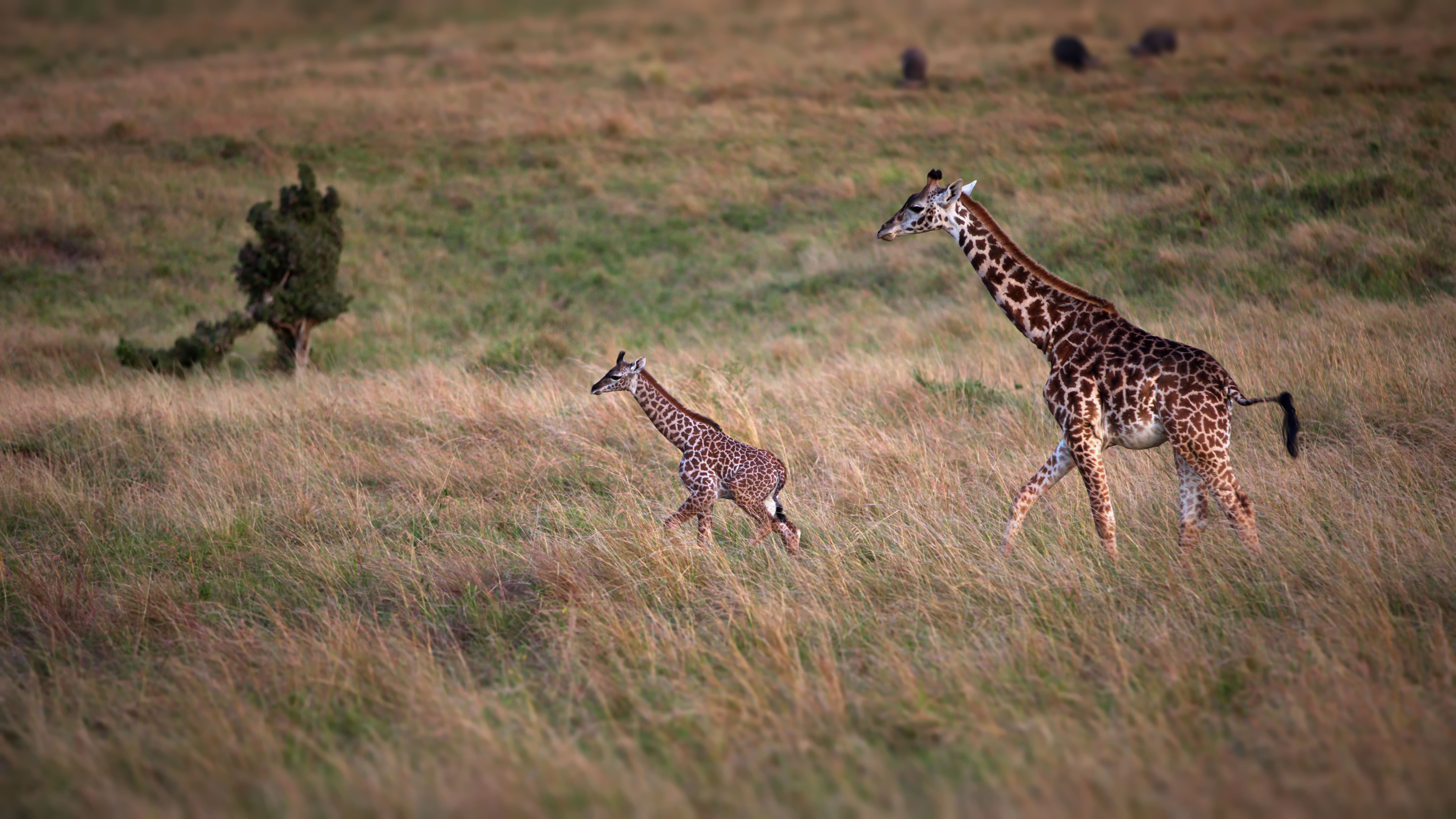
July and August — The Peak of the Migration and Peak Season
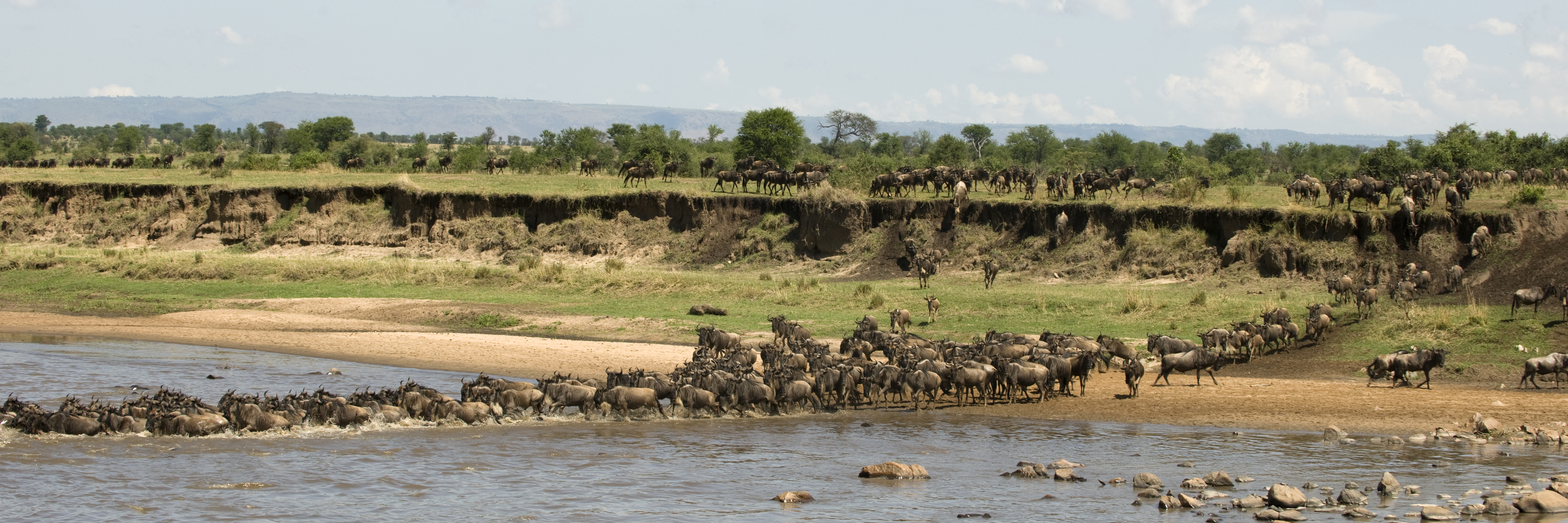
July and August are the most celebrated months of the Tanzania safari calendar, and they deserve every element of their reputation. The Great Wildebeest Migration is in its most dramatically photogenic phase — the Mara River crossings of the northern Serengeti, in which tens of thousands of wildebeest plunge into crocodile-filled water simultaneously in a chaos of dust, noise, and primal urgency that no camera and no description can adequately capture. The crossings occur repeatedly across July and August as the herds move back and forth between the Tanzanian and Kenyan sides of the Mara ecosystem, and each crossing is unique, unpredictable, and completely overwhelming in its visceral impact.
Beyond the crossings, July and August deliver peak dry-season game viewing across all of Tanzania's major parks. The Serengeti's vegetation has thinned dramatically, concentrating wildlife around permanent water sources in densities that produce exceptional sighting opportunities at every game drive. Tarangire's elephant concentrations along the river are at their annual maximum. Ngorongoro's crater floor is at its driest and most accessible. The trade-offs are equally clear — July and August are the most expensive months at Tanzania's luxury camps, the most competitive for availability, and the busiest on the game drive circuits, particularly at the Mara River crossing sites during crossing events. Private concession camps, which limit vehicle numbers and territory access, provide the most exclusive experience during this peak period and are worth every element of their premium positioning.
September and October — Migration Continues With Easing Crowds
September and October extend the peak migration experience into a period that many experienced Tanzania safari specialists consider superior to August in several important respects. The crossings continue across September with intensity that rivals August, while the visitor numbers begin to ease as the European and American school holiday peaks pass and families return home. Camp rates at most properties moderate slightly from their August peaks, and the atmosphere on the game drive circuits feels noticeably more relaxed and intimate. The wildlife is equally extraordinary — the crossings continue, the big cat populations remain fully active, and the dry season conditions that concentrate wildlife around water persist through October.
October is increasingly recommended by experienced specialists as the finest single month for the best time to visit Tanzania for safari — delivering peak dry-season wildlife quality, the continued possibility of migration crossings in the north, moderating visitor numbers, and the golden end-of-dry-season light that produces the most atmospheric conditions for photography. The short rains typically arrive in November, which means October represents the final, magnificent weeks of the long dry season — a period of warm days, cool nights, extraordinary late-afternoon light, and the sense of a great seasonal cycle reaching its luminous conclusion.
November — Short Rains and Excellent Value
November brings Tanzania's short rains — typically brief afternoon showers that refresh the landscape without meaningfully disrupting the morning game drives that define the safari schedule. Visitor numbers drop from the October level, rates moderate further at most luxury camps, and the landscape begins its transformation back to green. Wildlife viewing in November is consistently excellent — the resident populations of all major parks are fully present, the migratory bird species that arrive from the northern hemisphere begin to swell the bird list to its most diverse of the year, and the atmosphere across the northern circuit parks feels notably quieter and more intimate than any month since May.
November is an excellent timing choice for the traveller who wants a genuinely good wildlife experience with fewer vehicles, lower rates, and the photographic interest of a landscape in transition — neither the golden dryness of the full dry season nor the full lush green of the rains. The wildebeest migration is moving back toward the southern Serengeti during November, arriving in the Ndutu area in time for the beginning of the calving season in late December and January — meaning that a late November visit to the southern Serengeti can catch the leading edge of the migration's return to the calving grounds.
December — Festive Season and the Return of the Calving Grounds
December is one of the most in-demand months of the Tanzania safari calendar, as travellers from the northern hemisphere use the Christmas and New Year holiday period for their annual major journey. Luxury camps fill quickly for the final two weeks of December, and pricing reflects this demand — December is effectively peak season pricing, though the wildlife experience and landscape conditions are different from the July-August peak. The wildebeest migration is returning to the southern Serengeti during December, arriving in the Ndutu area just in time for the beginning of the calving season in late December and January.
A December safari in Tanzania offers the Serengeti in its most verdant and lush condition — the rains of November have transformed the landscape to deep green, the skies are dramatic and cloud-filled, and the light during the golden windows between showers is extraordinarily beautiful. Wildlife is fully present across all major parks, and the festive season atmosphere at Tanzania's finest luxury camps — bush Christmas dinners under the stars, New Year's celebrations on the open plains — produces a quality of celebratory experience that no conventional holiday destination can replicate. December bookings at the finest properties should be confirmed twelve to eighteen months in advance.
Our step-by-step guide to how to book a safari in tanzania explains exactly how far in advance to book for each month of the year — including the specific lead times required for the finest camps during peak and festive season periods.
Planning your Tanzania safari starts with the right operator. Whether you are deciding on the best time to visit Tanzania for safari or ready to commit to dates, our team at Sokwe Africa Safaris is here to help. Get a personalised quote built around your budget, travel style, and preferred parks. You can also explore our all inclusive tanzania safari packages, read our complete tanzania safari cost guide, or learn exactly how to book a safari in tanzania before making any decisions.
Explore our all inclusive tanzania safari packages, read our complete tanzania safari cost guide, or learn exactly how to book a safari in tanzania before making any decisions.
Plan your safari around the optimal season for your wildlife priorities on our luxury tanzania safari page — where first-hand seasonal knowledge and transparent pricing are applied to every itinerary we design.
Combine your perfectly timed Tanzania safari with the Indian Ocean's finest beach destination on our tanzania safari and zanzibar packages page — the most complete Tanzania experience available year-round.
For authoritative guidance on Tanzania's best time to visit from a local operator's perspective, read this detailed tanzania safari seasons guide on Travelistia. For official Tanzania national parks information and current conservation area conditions, visit the Tanzania National Parks Authority.
There is no bad month to visit Tanzania for safari — only months that are better understood than others. The traveller who arrives in April knowing what April offers will have a finer experience than the traveller who arrives in August expecting what the brochures have led them to anticipate. Seasonal intelligence is the most undervalued asset in safari planning, and it costs nothing except the willingness to seek honest guidance before booking.
- January and February — calving season in the southern Serengeti near Ndutu with extraordinary predator activity and fewer vehicles than peak season
- March — good wildlife, beautiful green landscape, rates fifteen to twenty-five percent below peak, migration moving north
- April and May — exclusive green season with forty to sixty percent rate reductions at open luxury properties, Grumeti crossings building
- June — dry season begins, Grumeti crossings peak, excellent value before peak pricing fully applies, camps freshly reopened
- July and August — Mara River crossings at their most dramatic, peak wildlife across all parks, book twelve to eighteen months in advance
- September and October — crossings continue with easing crowds, moderating rates, golden dry-season light and excellent photography
- November — short rains, lower rates, strong birdwatching, resident wildlife fully present, migration returning south
- December — festive season demand, calving season beginning in southern Serengeti, Christmas and New Year safari experiences
- Tarangire peaks June to October for elephant concentrations
- Ngorongoro delivers excellent wildlife year-round
- Ruaha and Nyerere peak July to October with exceptional wildlife along the rivers
FAQs: Best Time to Visit Tanzania for Safari
What is the single best month to visit Tanzania for safari? If forced to choose one month, October stands out as delivering the finest combination of factors — peak dry-season wildlife quality, continued possibility of migration crossings in the northern Serengeti, easing visitor numbers compared to August, moderating rates, and the extraordinary golden light of the late dry season. For the migration river crossings specifically, August is the most consistent. For the calving season, January and February are optimal. The best month depends entirely on the specific wildlife experience being prioritised.
Is Tanzania good for safari in the rainy season? Yes — with appropriate expectations and positioning. The green season from November through May brings genuinely beautiful landscapes, exceptional birdwatching, dramatically reduced rates, and extraordinary wildlife experiences including the calving season and the Grumeti crossings. April and May are the most challenging period due to peak rains and camp closures, but the open camps offer unparalleled exclusivity at the lowest rates of the year.
When is the cheapest time for a Tanzania safari? April and May represent the lowest rates of the Tanzania safari year, with reductions of forty to sixty percent at luxury camps that remain open. March and November offer competitive shoulder season rates with reductions of fifteen to twenty-five percent. June and October represent the best value within the peak season period — delivering excellent to exceptional wildlife with slightly lower rates than the July-August maximum.
Is July or October better for a Tanzania safari? Both are excellent months for different reasons. July delivers the peak of the Mara River crossings with maximum wildlife intensity but also maximum visitor numbers and the highest rates of the year. October extends the dry season into a quieter, more relaxed period with equally good wildlife across all parks, lower pressure on the game drive circuits, and moderating pricing at most luxury camps. Experienced safari specialists increasingly recommend October over July for travellers whose primary priority is not specifically the river crossing event.
What is the best time to visit Tanzania for the Great Migration? The migration is a year-round circuit rather than a single seasonal event. For the Mara River crossings — the most dramatic and celebrated phase — July through October provides the most consistent experience in the northern Serengeti. For the calving season — equally extraordinary and considerably more intimate — January and February in the southern Serengeti near Ndutu are optimal. For the Grumeti River crossings — the less visited first river crossing of the cycle — May and June in the western Serengeti corridor are the correct timing.
What is the best time to visit Ngorongoro Crater? Ngorongoro is a year-round destination with consistently excellent wildlife viewing in all seasons, as its enclosed ecosystem maintains stable animal populations regardless of external rainfall. The dry season months of June through October offer clearer skies and easier track conditions on the crater floor. The crater can be misty and atmospheric during the rains — which many travellers find adds to its dramatic character rather than detracting from it.
How far in advance should I book a Tanzania safari for July and August? For the finest camps and mobile migration properties during July and August — the most competitive booking period of the year — twelve to eighteen months in advance is the minimum recommended lead time. The best private concession camps in the northern Serengeti for the Mara crossing period begin filling their July and August availability from September and October of the preceding year. Waiting until six months before departure for a peak-season Tanzania safari significantly limits the accommodation options available.