
Why Booking a Tanzania Safari Deserves More Than a Few Clicks
There is a particular kind of traveller who arrives in the Serengeti having booked their safari in an afternoon — a few searches, a filtered results page, a credit card number entered — and wonders, somewhere around day three, why the experience feels slightly less than the sum of its parts. The camp is fine. The game drives are good. But something is missing: the sense that the trip was built for them, around them, with genuine knowledge of what they came to find. Booking a luxury safari in Tanzania is not a transaction. It is the first act of a carefully constructed experience, and the quality of that booking process determines almost everything that follows.
This step-by-step guide is written for the traveller who understands this distinction and wants to approach the booking process with the same intelligence and intentionality they would bring to any significant investment. Whether this is a first safari or a return to East Africa with higher expectations than last time, the following steps will ensure that the Tanzania safari that gets confirmed is the one that delivers everything it promised — and then considerably more.
Step 1: Define What You Actually Want From This Safari
The single most common mistake made at the beginning of the safari booking process is jumping straight to camps and dates before establishing a clear picture of what the experience should deliver. Every element of a Tanzania safari — the parks chosen, the camps selected, the season of travel, the length of stay, the activity mix — flows directly from the answer to one foundational question: what do you most want to witness, feel, and take away from this journey?
For some travellers, the answer is the Great Wildebeest Migration — specifically the river crossings, which means the northern Serengeti between July and October. For others, it is the intimacy of a remote camp with almost no other guests and the sensation of genuine wilderness solitude, which points toward Ruaha or Nyerere in the south. For a family travelling with children, the calculus shifts toward camps with flexible programming, malaria-low altitudes, and guides experienced in engaging younger travellers. For a couple celebrating a milestone anniversary, the emphasis falls on romance, privacy, and moments of extraordinary beauty. Define the objective first. Every other decision becomes significantly easier once it is clear.
Step 2: Choose the Right Time of Year
Tanzania's seasonal calendar should be understood before any dates are confirmed, because the timing of travel is one of the two or three most consequential decisions in the entire booking process. The dry season from June through October delivers peak game viewing conditions across all of Tanzania's major parks — thinning vegetation concentrates wildlife around permanent water sources, and the absence of rain keeps tracks accessible and skies clear for photography. The Mara River crossings, which represent the dramatic centrepiece of the wildebeest migration, occur most reliably between July and early October in the northern Serengeti.
January and February offer something different but equally extraordinary: the calving season in the southern Serengeti near Ndutu, where the sheer density of newborn wildebeest and the predator activity it generates creates some of the most intense wildlife viewing of the year. The shoulder months of November and March bring brief rains, reduced visitor numbers, lower rates at most luxury camps, and a landscape of particular photographic beauty. April and May — the long rains — see many camps close for refurbishment, but those that remain open offer exceptional value and a level of exclusivity rarely available during the peak season. Matching travel dates to the experience being sought is not optional — it is the foundation of a successful Tanzania safari itinerary.
Step 3: Decide on Your Safari Circuit
Tanzania's geography offers three primary safari circuits, and the choice between them — or the combination of elements from more than one — should be made deliberately based on the interests, physical comfort level, and available time of the traveller. The Northern Circuit, comprising the Serengeti, Ngorongoro Conservation Area, Tarangire, and Lake Manyara, is Tanzania's most accessible and most celebrated route. It can be sampled meaningfully in seven nights and explored comprehensively in twelve to fourteen nights, and it supports the widest range of luxury accommodation options at every budget level within the premium segment.
The Southern Circuit — anchored by Ruaha National Park and Nyerere National Park — demands more travel time to access but rewards the effort with a profoundly different quality of experience: fewer vehicles, more intimate camps, a wider range of permitted activities including boat safaris on the Rufiji River, and wildlife populations that include species absent from the north. A combination itinerary — typically northern circuit parks followed by southern circuit, or vice versa, connected by charter flight — is the approach taken by many returning safari travellers who have experienced the north and wish to deepen their understanding of Tanzania's full range. The Western Circuit's chimpanzee trekking at Mahale or Gombe is best treated as a dedicated addition to an existing longer itinerary rather than a standalone destination.

Step 4: Select Your Camps With Expert Guidance
Camp selection is where the expertise of a specialist safari operator becomes genuinely indispensable. The landscape of luxury accommodation in Tanzania is vast, constantly evolving, and impossible to navigate accurately from the outside using only online reviews and operator websites. The finest camps in the Serengeti's private concessions, for example, are not always the ones with the most visible marketing presence — some of the most extraordinary properties in Tanzania operate almost entirely by word of mouth and specialist operator recommendation, with waiting lists that reflect their reputation rather than their advertising budget.
The criteria that should govern camp selection for a luxury Tanzania safari include, in roughly this order of importance: location within or adjacent to core wildlife habitat; the quality, experience, and local knowledge of the guiding team; the ratio of guides to guests; the range of activities available and the flexibility with which the daily schedule can be customised; the design and physical comfort of the accommodation; the quality of food and service; and the sustainability and community credentials of the operation. An experienced safari specialist will have visited the camps they recommend, know the guides personally, and be able to match specific properties to the specific traveller sitting across from them — or corresponding with them by email — with a precision that no algorithm can replicate.
Step 5: Understand What Is and Is Not Included
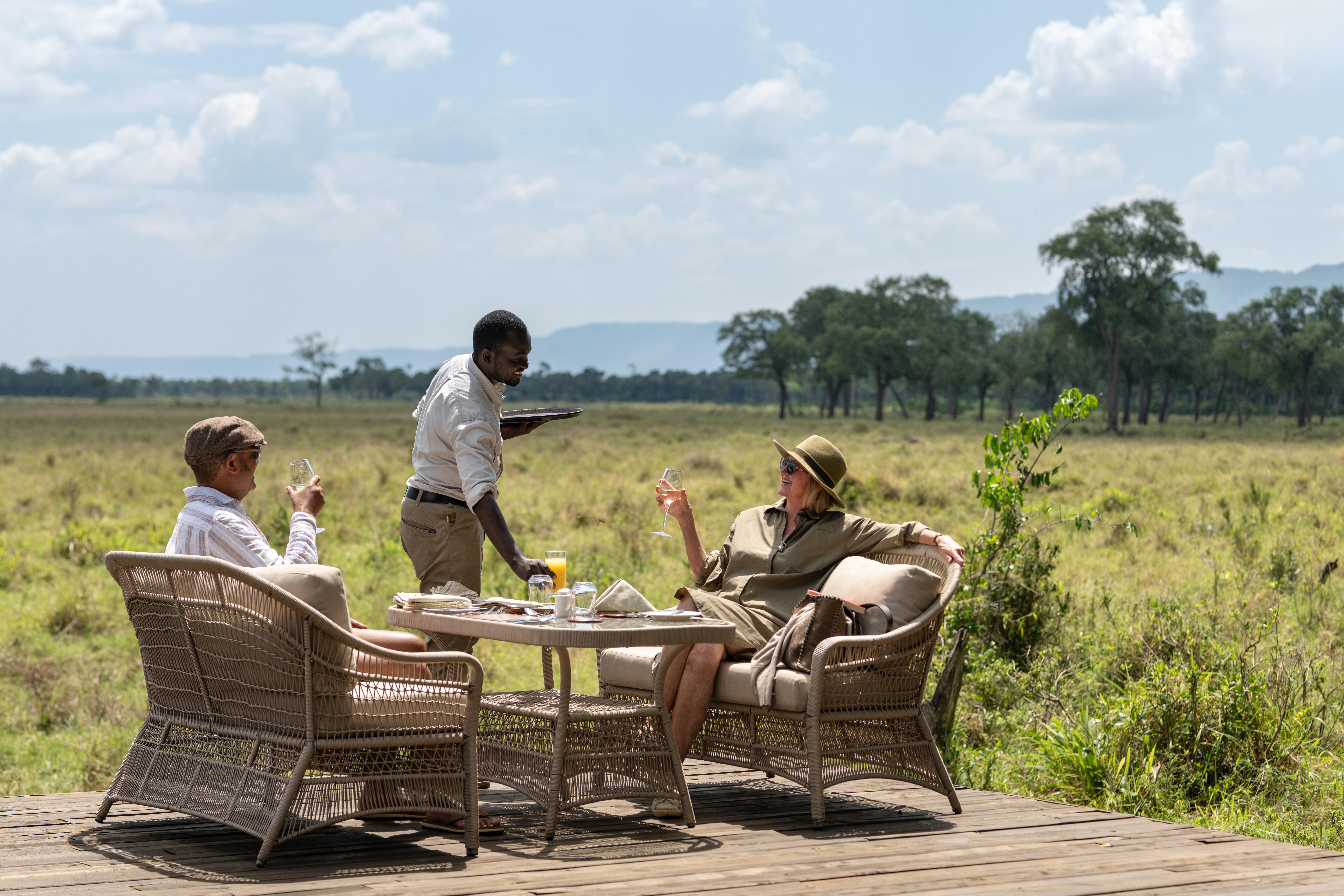
One of the most common sources of confusion and occasional disappointment in the safari booking process is a misunderstanding of what is included in quoted rates and what will be charged additionally. In the luxury segment, most camps operate on a fully inclusive basis — accommodation, all meals, standard beverages including house wines and spirits, and a defined set of daily activities are covered within the per-person-per-night rate. However, the definition of "fully inclusive" varies between properties, and the items that fall outside it can add meaningfully to the total cost if not clarified in advance.
Items that are frequently charged as extras at luxury safari camps include premium imported wines and spirits above the house selection, specialist activities such as hot air balloon safaris over the Serengeti, spa treatments, laundry services beyond a basic allowance, and purchases from the camp boutique. Conservation fees and park entry fees are sometimes included in quoted rates and sometimes charged separately — this must be confirmed explicitly with the operator. Gratuities for guides and camp staff, while not mandatory, are an important element of safari culture and should be budgeted for separately: a general guideline is USD $15 to $20 per guest per day for the guiding team and a similar amount for the camp team, though individual discretion applies.
Step 6: Book Your International and Domestic Flights
International flights to Tanzania should be confirmed as early as possible, particularly for peak season travel when business class availability on the most convenient routings — through Amsterdam, Doha, or Nairobi — fills many months in advance. The preferred international gateway for the northern circuit is Kilimanjaro International Airport near Arusha; for the southern circuit, Julius Nyerere International Airport in Dar es Salaam is the more practical entry point. For itineraries combining north and south, entering through Kilimanjaro and departing through Dar es Salaam — or vice versa — creates a logical geographic flow that avoids unnecessary backtracking.
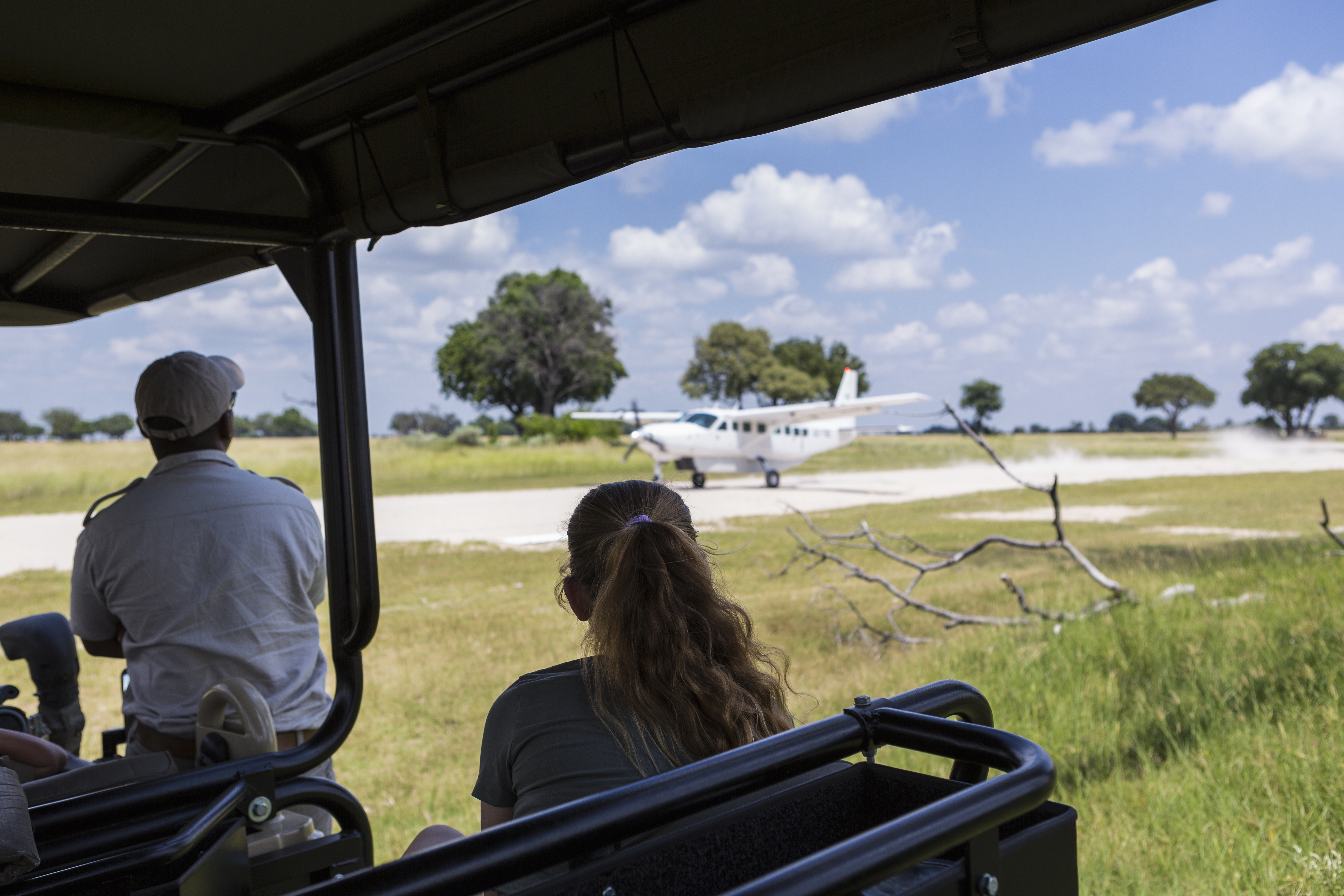
Domestic charter flights between parks should be booked concurrently with camp accommodation, as the two are operationally connected — camp arrival and departure times are built around the charter schedule, and popular airstrips serving the finest Serengeti camps are limited in daily capacity. Tanzania's most established domestic charter operators — including Coastal Aviation, Auric Air, and Regional Air Services — are booked through the safari operator as part of the integrated itinerary rather than independently, ensuring that all connections are coordinated and that ground transfers between airstrips and camps are arranged without gaps. A reputable operator will present the complete flight itinerary alongside the camp itinerary as a single, coherent document.
Begin planning your itinerary with our team on our Private Tanzania Safari page — where every step from camp selection to flight coordination is handled by specialists with first-hand knowledge of East Africa.
Explore our curated Luxury Tanzania Safari packages as a starting point for building your bespoke itinerary.
Step 7: Secure Your Booking With a Deposit
Once the itinerary has been agreed — camps confirmed, flights coordinated, activities planned, and all inclusions and exclusions clearly documented — the booking is secured with a deposit. In the luxury safari sector, deposits typically range from 20 to 30 percent of the total trip cost and are required to hold confirmed space at camps and on charter flights, both of which operate at limited capacity. The balance is generally due sixty to ninety days before departure, though this varies between operators and should be confirmed in writing at the time of booking.
A reputable operator will provide a formal booking confirmation document detailing the complete itinerary, all accommodation and flight references, the full cost breakdown including all fees and taxes, the payment schedule, and the cancellation and refund policy. Read this document carefully before making any payment, and raise any discrepancies or questions before the deposit is transferred. The cancellation policy is particularly important to understand — luxury safari camps frequently apply strict cancellation terms reflecting the difficulty of reselling individual bed nights at short notice in small-capacity properties, and the traveller who understands these terms before booking is far better positioned than one who discovers them at the point of needing to apply them.
Step 8: Complete Your Pre-Departure Preparation
The period between booking confirmation and departure is not merely a waiting period — it is an active phase of preparation that significantly affects the quality of the safari experience. Health preparation should begin immediately: a visit to a travel medicine physician or specialist travel health clinic within the first few weeks of booking allows sufficient time for any required vaccinations to be administered on the appropriate schedule, and for malaria prophylaxis to be prescribed and explained. Yellow fever vaccination, in particular, requires documentation that must be carried during travel and may be checked at the point of entry into Tanzania.
Travel insurance should be purchased promptly after booking confirmation — ideally within the cancellation waiver window that most policies offer, which ensures trip cancellation coverage applies from the date of purchase rather than only from departure. Packing for a luxury Tanzania safari requires less than most travellers assume: neutral-coloured lightweight clothing in layers, a quality pair of binoculars, a camera with a telephoto lens, sun protection, insect repellent, and personal medications. Most luxury camps provide laundry services, meaning that a ten-day safari requires no more luggage than a long weekend in a European city — though weight restrictions on light aircraft are strict, typically fifteen kilograms per person in soft-sided bags, and must be respected.
Step 9: Arrive Ready to Be Astonished
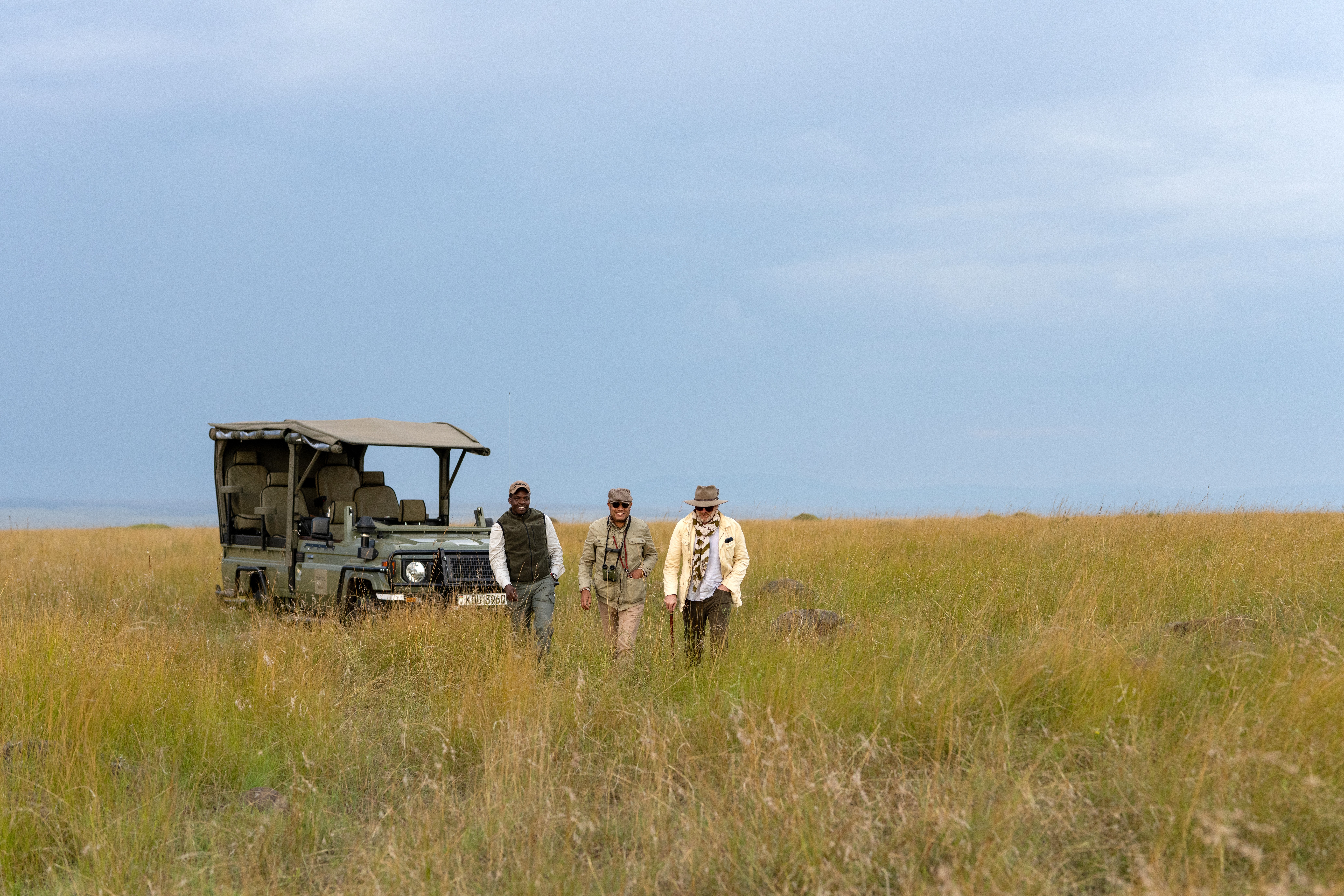
The final step in booking a safari in Tanzania is the simplest and the most important: arrive ready. Not simply physically — though the preparation matters — but mentally and emotionally ready to be surprised, moved, and changed by what unfolds. The Serengeti does not perform on request. The leopard does not materialise because the itinerary says it should. The greatest safaris happen at the intersection of excellent preparation and genuine openness — where the traveller has done everything right and then let go of every expectation, allowing the wilderness to deliver what only it can.
The traveller who has followed each of the preceding steps — defined their purpose, matched their timing to their objectives, selected camps with expert guidance, understood their inclusions, organised their health and insurance, and packed thoughtfully — arrives in Tanzania not merely prepared but free. Free to receive what this extraordinary country has to offer without the friction of avoidable uncertainty. That freedom is what a well-booked safari produces, and it is the reason why the booking process — done properly — is not an administrative task but the first genuine act of the journey itself.
Ready to begin? Contact our team through our Tanzania Safari and Zanzibar Packages page to start building your bespoke 2026 itinerary with a specialist who knows East Africa first-hand.
A Tanzania safari booked with care and intelligence does not begin when the plane lands in Arusha. It begins the moment the right operator asks the right questions — and listens carefully to the answers.
- Define your safari objectives before choosing any camps or dates
- Match your travel season to the specific wildlife experience you are seeking
- Choose your circuit — northern, southern, or a combination — based on interests and available time
- Select camps with specialist guidance prioritising location, guiding quality, and activity flexibility
- Clarify all inclusions and exclusions in writing before confirming any booking
- Book international flights and domestic charters simultaneously with accommodation
- Secure your booking with a deposit and review all cancellation terms carefully
- Begin health preparation immediately — vaccinations, malaria prophylaxis, and travel insurance
- Pack light, pack neutral, and respect light aircraft weight restrictions of fifteen kilograms