
What is a walking safari?
A walking safari in Tanzania trades the vehicle for your own two feet, swapping the broad sweep of a game drive for an intimate, ground-level encounter with the bush. Led by an armed, specially trained guide and often a national park ranger, a walking safari slows everything down: instead of scanning the horizon for big animals, you read tracks in the dust, identify birdsong, examine dung and plants, and feel the wilderness at a human pace. It is a completely different way of experiencing Africa, and for many travellers it becomes the most memorable part of their trip.
Where a game drive is about coverage and big sightings, a walking safari is about connection and detail. You learn how a dung beetle works, why an acacia has thorns, how to tell which predator passed in the night. The thrill is real but quiet — the awareness that you are a guest on foot in a wild place, senses fully switched on. This guide explains where to do a walking safari in Tanzania, what to expect, how safe it is, and how to fold it into a classic safari.
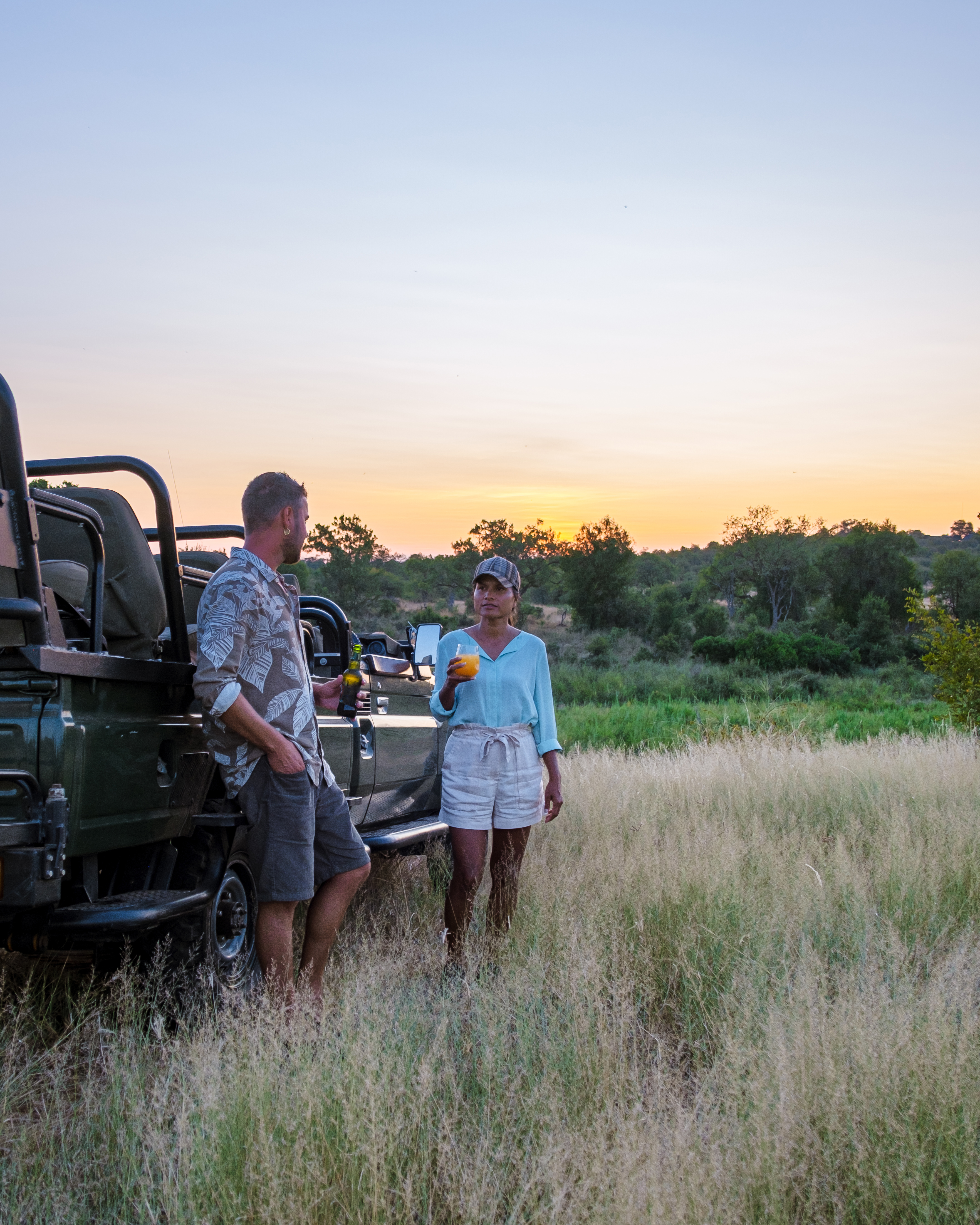
Why walk instead of drive?
The appeal of walking is the shift in perspective. From a vehicle, you observe; on foot, you participate. The smells of the bush, the crunch of the ground, the sudden stillness when your guide raises a hand — these engage you in a way no drive can. Approaching a herd of buffalo or a tower of giraffe on foot, at a respectful distance, is a humbling, exhilarating experience that recalibrates your sense of scale and your place in the natural world.
Walking also reveals the small wonders that drives rush past: the architecture of a termite mound, the medicinal use of a plant, the drama of insects, the identification of a dozen birds in an hour. A good walking guide is part naturalist, part storyteller, and the bush becomes a living textbook. For repeat safari-goers especially, adding walking is the natural next step into a deeper, richer engagement with the wilderness.
Where to do a walking safari in Tanzania
Not every Tanzanian park permits walking, and the best experiences are found in specific areas. Nyerere National Park, the former Selous in the south, is one of the finest, with walking safaris and boat safaris available along the Rufiji River. Ruaha, also in the wild south, offers superb guided walks through dramatic, little-visited terrain. These southern parks are the heart of Tanzania's walking-safari tradition.
In the north, walking is more restricted within the busy national parks but is offered in private concessions bordering the Serengeti, where regulations allow guided walks and even night drives. Arusha National Park, beneath Mount Meru, is a gentle and accessible option for a half-day walk close to town, ideal at the start of a trip. The Ngorongoro highlands and the Crater rim also offer beautiful guided walks with Maasai escorts, blending wildlife with culture.
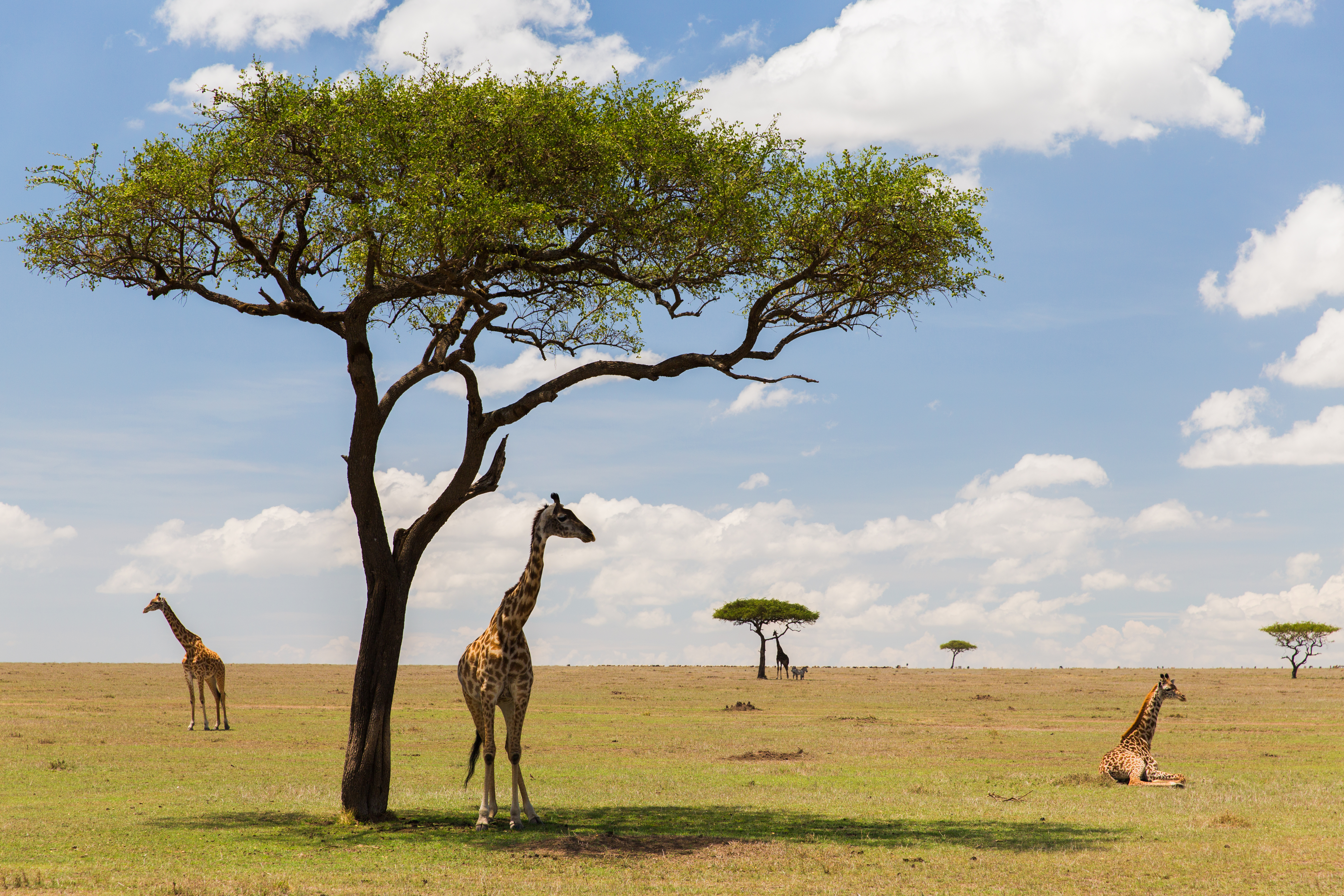
What to expect on a walking safari
A typical walking safari sets out in the cool of early morning, when wildlife is active and the heat is bearable. Walks usually last two to three hours and proceed at a gentle, unhurried pace — this is not a hike or an endurance test, but a slow, attentive exploration. Your guide walks in front, the ranger often alongside, and you follow in single file, stopping frequently to examine and discuss what you encounter.
Before you set off, your guide will brief you thoroughly on how to behave: stay together, keep quiet, move calmly, and follow instructions instantly. You will not chase or approach dangerous animals; the aim is to observe from a safe, respectful distance and to read the smaller stories of the bush. Many walking safaris end with coffee or a bush breakfast at a scenic spot, and some camps offer full-day walks or even fly-camping, where you sleep out under the stars between walks.
Is a walking safari safe?
Walking safaris are very safe when done properly, which is precisely why they are tightly regulated. Walks are led by armed, professionally trained guides, usually accompanied by an official park ranger, and group sizes are kept small. Guides are expert at reading animal behaviour and at choosing routes and distances that keep you out of harm's way. Incidents are extremely rare, and the discipline of the experience — quiet, attentive, following instructions — is part of what keeps it that way.
The most important thing you can do is choose a reputable operator with experienced walking guides and follow the briefing carefully. The sense of vulnerability you feel on foot is part of the magic, but it is carefully managed: the professionals around you have spent their lives in this environment. Approached with respect and a good guide, a walking safari is no more dangerous than a game drive, and infinitely more intimate.
Who walking safaris suit best
Walking safaris suit the curious, the active and the repeat visitor especially well. If you have done a classic driving safari before and want to go deeper, walking is the perfect next dimension. Keen birders, botanists and photographers of detail love it, as do travellers who simply want a more physical, immersive connection with the wild. A reasonable level of fitness is helpful, but most walks are gentle and accessible to anyone who can manage a steady stroll.
Walking is less suitable for very young children, for whom most parks set minimum age limits, and it is rarely the whole trip — it shines as one ingredient among game drives rather than the entire menu. For the right traveller, though, an hour on foot in the African bush delivers a kind of presence and wonder that stays with you long after the photographs fade.
Combining walking with a classic safari
The ideal Tanzanian itinerary blends driving and walking. A common and rewarding structure pairs the classic northern circuit — the Serengeti, Ngorongoro and Tarangire by vehicle — with a few days in the southern wilderness of Nyerere or Ruaha for walking and boat safaris. The contrast between the grand, open spaces of the north and the intimate, on-foot experiences of the south makes for an unusually complete and varied safari.
Alternatively, even on a purely northern trip you can include a half-day walk in Arusha National Park or a guided walk in a private Serengeti concession, sampling the experience without restructuring the whole journey. However you fit it in, adding walking transforms a safari from something you watch into something you genuinely take part in. Our guide to the best things to do in Tanzania sets out how the pieces combine.
See how walking fits a wider trip in our guide to the best things to do in Tanzania, or simply plan your safari with our team.
On a game drive you watch the wild go by; on a walking safari you step into it — and the bush tells you a hundred small stories the vehicle never could.
- Best in the southern parks: Nyerere & Ruaha
- Northern options: Arusha NP & private Serengeti concessions
- Walks are gentle, guided and armed for safety
- Ideal for repeat visitors and curious naturalists
- Combine walking in the south with driving in the north
What to bring and how to prepare
A walking safari needs little specialist kit, but a few choices make it far more comfortable. Wear neutral, muted colours — khaki, olive, brown — to blend into the bush and avoid both bright white and black, which stand out and, in black's case, can attract tsetse flies. Sturdy, broken-in closed walking shoes or light boots are essential, along with long, lightweight trousers and a long-sleeved shirt to protect against sun, thorns and insects.
Bring a wide-brimmed hat, sunglasses, sunscreen and insect repellent, and carry water in a small daypack, though your guide will usually provide some. A pair of binoculars greatly enriches the experience, letting you study birds and distant animals, and a camera with a modest zoom is ideal — heavy long lenses are awkward on foot. Keep your load light and your hands free.
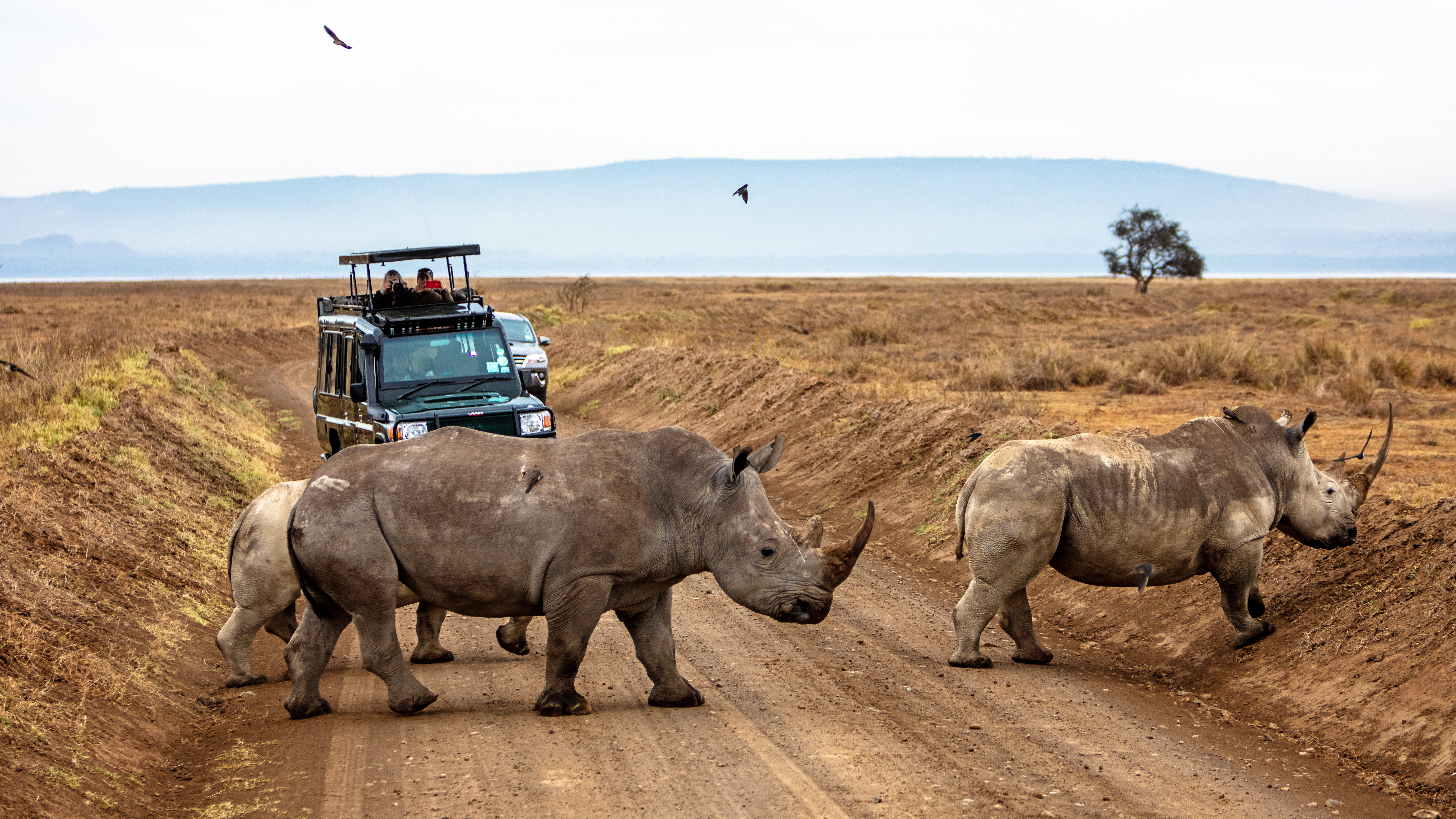
Physically, most walking safaris are gentle and accessible to anyone in reasonable health, proceeding at a slow, frequently-stopping pace rather than a strenuous hike. That said, a basic level of fitness and the ability to walk for two to three hours over uneven ground will help you relax and enjoy it. If you have any mobility concerns, mention them when booking and your operator will tailor the walks accordingly.
Mentally, the best preparation is simply to embrace the experience with calm and respect. Listen carefully to your guide's safety briefing, stay quiet and together, and move slowly. The heightened alertness you feel on foot is part of the magic, not a cause for anxiety. With an experienced guide and a respectful attitude, a walking safari is as safe as it is exhilarating.
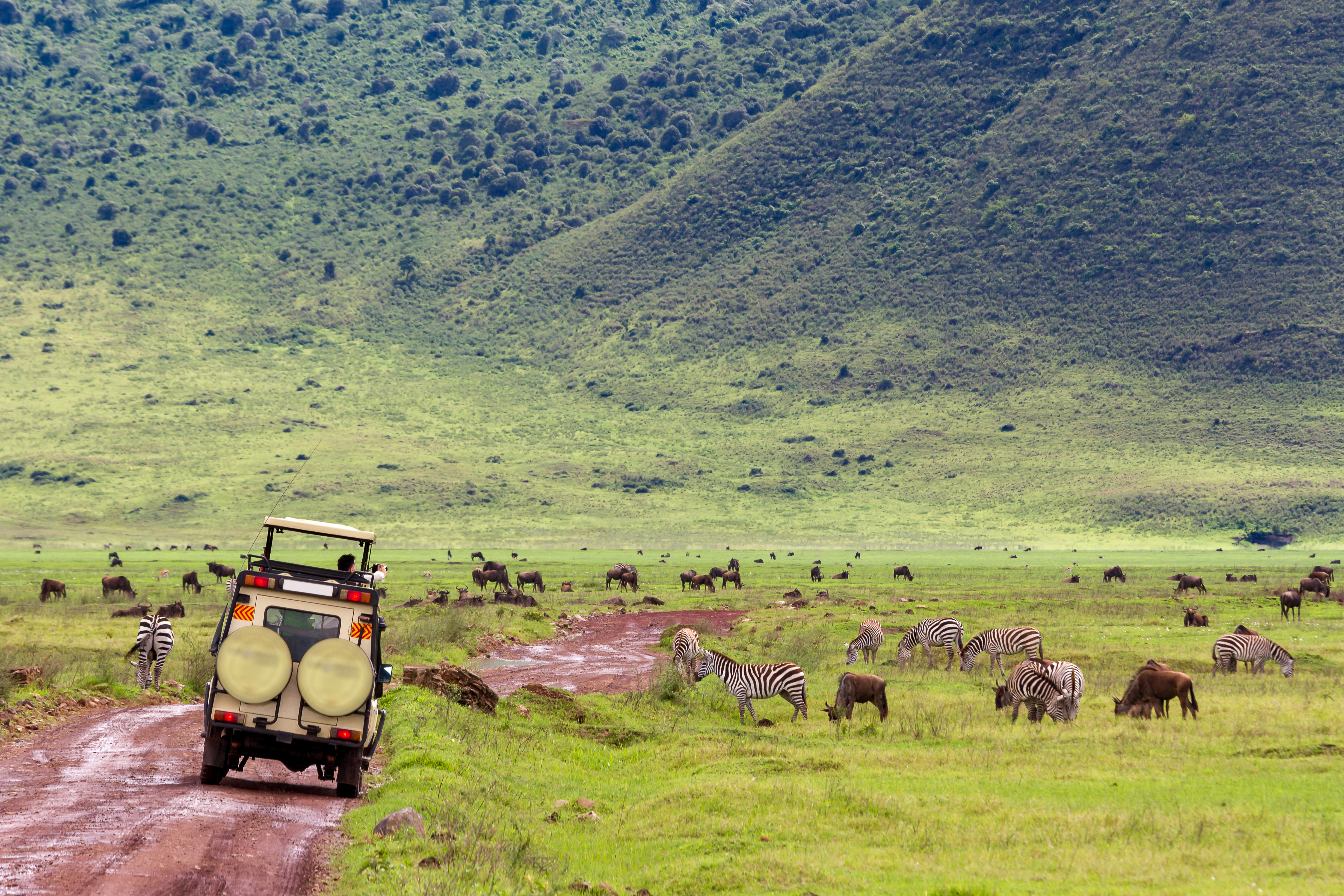
It is also worth setting expectations: walking is not about ticking off the Big Five at close range but about depth and detail — tracks, plants, insects, birds, and the feel of the wild. The big animals are usually observed from a respectful distance, not approached. Go in wanting connection rather than a checklist, and a walking safari will reward you with one of the most memorable mornings of your entire trip.
It is worth saying a little more about what makes a great walking guide, because they are the heart of the experience. The best walking guides combine deep bush knowledge with calm authority and a gift for storytelling: they read the landscape like a book, anticipate animal behaviour, choose safe and rewarding routes, and bring the small wonders of the bush vividly to life. Their judgement is what keeps you safe and their passion is what makes the walk unforgettable, so a reputable operator with experienced walking specialists is essential.
Finally, think of a walking safari as a complement to, not a replacement for, your game drives. Most travellers include a walk or two within a wider driving safari, enjoying the broad coverage of the vehicle alongside the intimate depth of time on foot. Even a single morning walk transforms how you understand and feel the wilderness around you, adding a dimension that stays with you long after the trip. It is one of the most rewarding things you can add to a Tanzanian safari.
Plan your walking safari in Tanzania
A walking safari adds a dimension to your trip that no game drive can match, and weaving one in takes a little local know-how about which parks, concessions and camps offer the best experiences for your dates. Tell us when you would like to travel and how adventurous you are feeling, and we will build a walking safari into a beautifully balanced Tanzania itinerary, paired with classic game drives for the best of both worlds.
Plan your walking safari with Sokwe Africa Safari