
One country, three holidays in one
Very few places on earth let you watch lions on the Serengeti plains, laze on a white Indian Ocean beach and stand on the roof of Africa in a single trip. That is the quiet genius of Tanzania vacations: the country hands you three world-class building blocks — safari, beach and mountain — and lets you assemble them in whatever combination suits your dreams, your dates and your budget. Whether you have a week or three, are travelling as a couple, a family or a group of friends, there is a shape of trip that fits.
This guide is about composing that whole vacation, not just the safari. We have written separately about safari-only routes in our Tanzania safari itinerary guide, and a general country primer in our Tanzania travel guide; here, as an operator based in Arusha, we sketch complete trips by traveller type — first-timers, honeymooners, families, adventurers, luxury seekers and repeat visitors — each with an ideal length, a sample itinerary and a realistic 2026 budget band, plus the practical notes on flights, visas and seasons that hold it all together.
First-timers: the classic seven-day safari
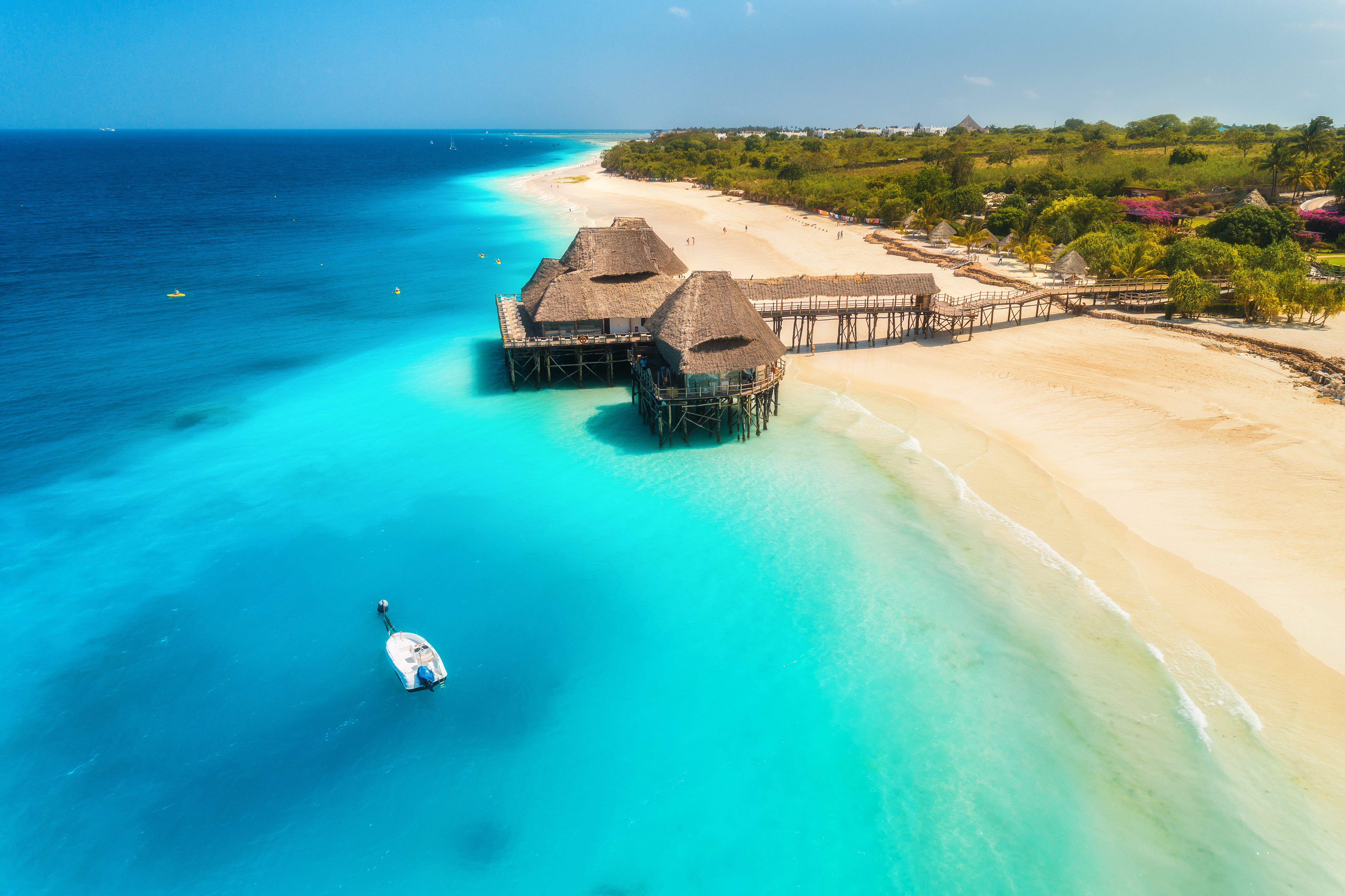
If this is your first visit, the northern circuit is the natural heart of your vacation. A classic seven-day trip flies you into Kilimanjaro International Airport, gives you a night in Arusha to catch your breath, then rolls through Tarangire's elephant herds and baobabs, the wildlife-packed floor of the Ngorongoro Crater and two or three full days in the Serengeti, timed to the migration if the months allow. It is the itinerary that made Tanzania famous, and it earns that fame daily.
Seven days is the sweet spot for a first safari: long enough to reach the central Serengeti without rushing, short enough to fit inside a single week of leave once international flights are added. In 2026, expect roughly 2,200 to 2,800 US dollars per person for a good mid-range private safari with lodges and tented camps, park fees included; camping trips come in nearer 1,800 dollars, while small luxury camps push the figure to 4,500 dollars and beyond. Add two or three beach days on Zanzibar and you have a complete ten-day vacation.
Honeymooners: safari and Zanzibar
For honeymooners, the safari and Zanzibar combination is close to unbeatable, which is why it has become the signature Tanzania honeymoon. The rhythm is what makes it work: five or six days of dawn game drives, champagne bush breakfasts and romantic tented camps in the Serengeti and Ngorongoro, then a short flight from the bush airstrip straight to the island, where the pace drops to bare feet, dhow cruises at sunset and long lunches over turquoise water. Adventure first, indulgence second — a honeymoon with a narrative arc.
Ten to twelve days is the ideal length, split roughly five nights on safari and four or five on the beach. A quality mid-range honeymoon of this shape costs around 4,500 to 6,000 dollars per person in 2026, while a luxury version with fly-in camps, a hot-air balloon flight over the Serengeti and a top beach resort on Zanzibar's north-east coast runs 7,500 to 10,000 dollars per person. We explore the pairing in depth in our safari and Zanzibar guide, including which coasts suit which months.
Families: gentle pace, big memories
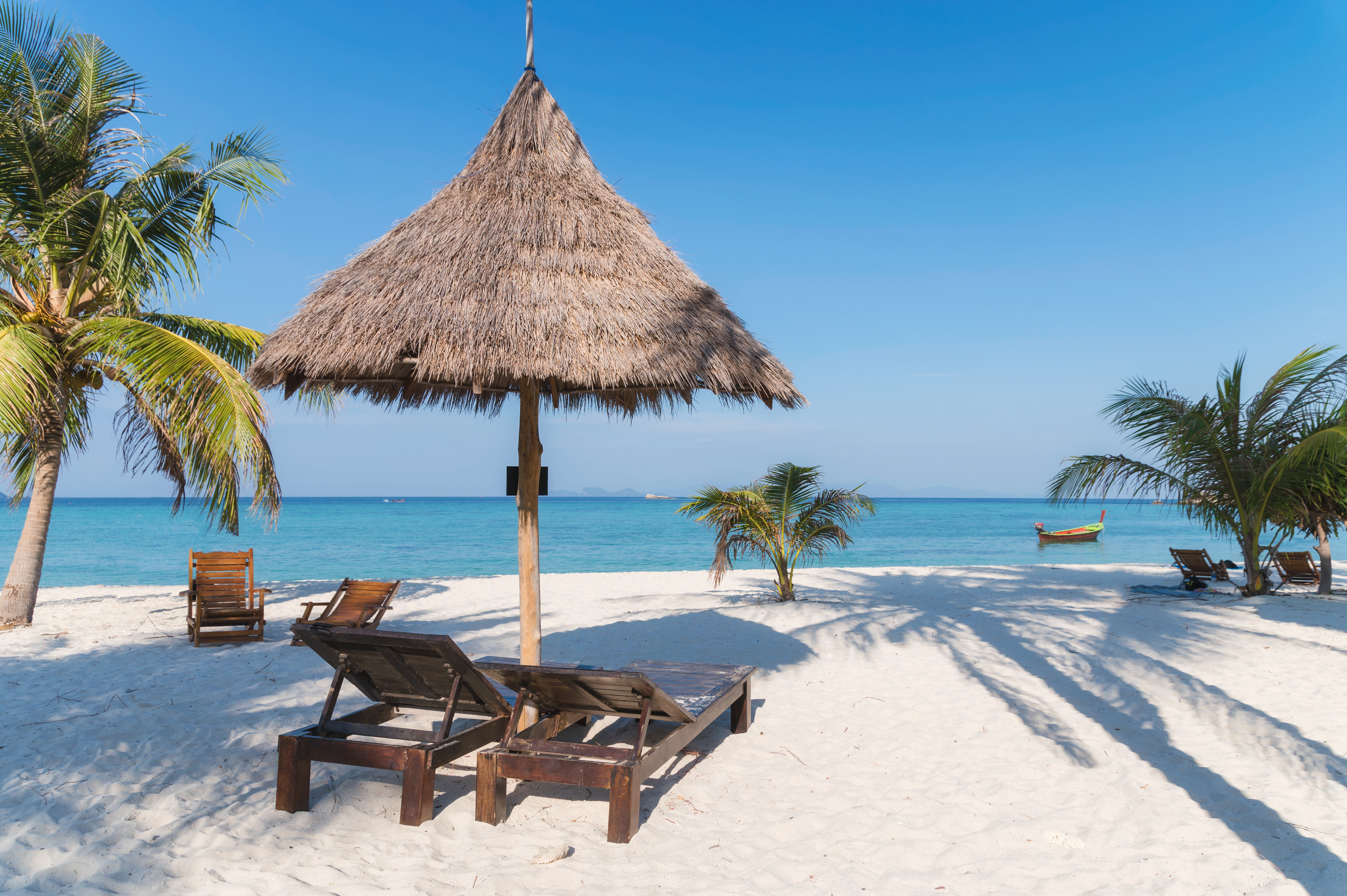
Tanzania is a superb family vacation destination, provided the itinerary is built around children rather than squeezed around them. The trick is shorter driving days, lodges with pools and family rooms, and a pace that leaves room for the moments children actually remember — a Maasai village visit, a picnic beside a hippo pool, an afternoon learning to shoot a bow. Tarangire, Lake Manyara and the Ngorongoro Crater work beautifully for families because the distances are short and the wildlife is dense, delivering big sightings without long, patience-testing drives.
A well-shaped family trip runs eight to ten days: a gentle northern safari of five or six nights, then a few days on Zanzibar where the children can snorkel, build sandcastles and burn off energy while the adults exhale. Budget around 3,000 to 4,000 dollars per adult in 2026 at mid-range level, with children under twelve typically paying thirty to fifty percent less on accommodation and reduced park fees. Many families find a private vehicle and guide, which costs little more when split four ways, transforms the experience — every stop, snack and bathroom break on your own schedule.
Adventurers: the Kilimanjaro climb and safari
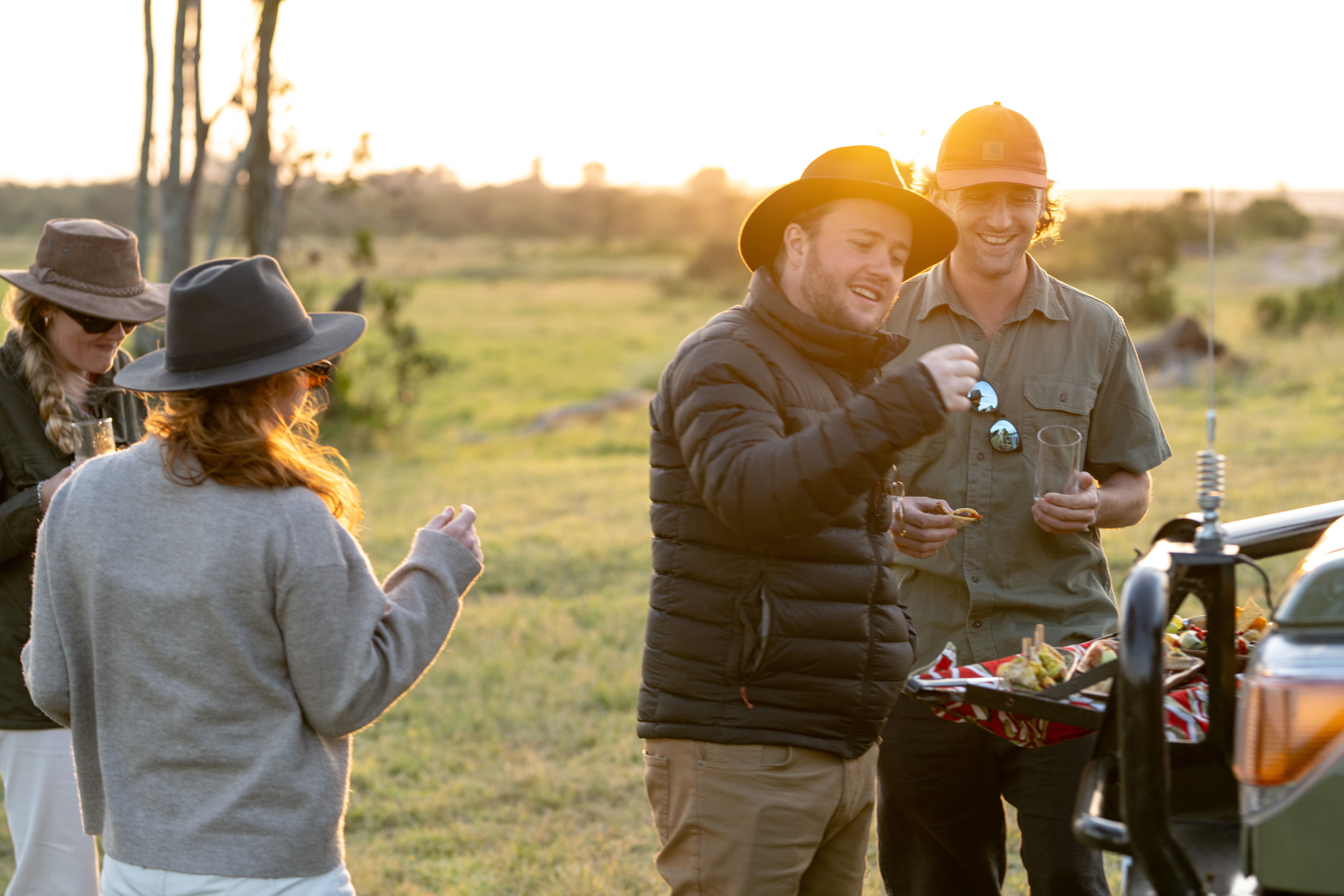
For travellers who want their vacation to include a genuine achievement, nothing in Africa matches pairing a Kilimanjaro climb with a safari. The mountain gives you seven or eight days of trekking through five climate zones to the glaciers of Uhuru Peak at 5,895 metres; the safari afterwards is the reward, swapping the summit push for game drives and a well-earned cold drink at a lodge with a view. Climbing first is the golden rule — you want fresh legs for the mountain, and sore ones recover happily in a safari vehicle.
Plan twelve to fourteen days in total: seven days on the Machame or eight on the Lemosho route, both of which give far better acclimatisation and summit success rates than the shorter options, followed by a three or four-day northern safari. In 2026, a properly staffed and equipped climb costs 2,400 to 3,500 dollars per person, and the combined trip lands between 4,500 and 7,000 dollars mid-range. Our Kilimanjaro and safari combo guide covers routes, training and timing in detail; January to early March and June to October are the prime climbing windows.
Luxury seekers: fly-in camps and all-inclusive ease
At the top end, Tanzania vacations become seamless in a way few destinations can match. Light aircraft replace road transfers, so you breakfast at a Ngorongoro crater-rim lodge and lunch at an exclusive camp deep in the Serengeti; the camps themselves are all-inclusive, folding fine dining, house wines, laundry and private game drives into one rate, so the trip runs without a wallet appearing. The best properties hold prime, low-density locations near river crossings and predator territories, which means the wildlife experience improves along with the thread count.
A week of fly-in luxury in 2026 runs from about 1,000 to 2,000 dollars per person per night depending on season and camp, so a seven-night safari typically lands between 8,000 and 14,000 dollars per person, and a twelve-day luxury safari-and-beach vacation with a top Zanzibar or Mnemba-area resort can reach 20,000 dollars for those who want the very best. The green season, from November to May outside the April rains, offers the same camps at discounts of thirty percent or more — the savviest luxury travellers book then.
Repeat visitors: the wild south and west
If you have already done the northern circuit, your second Tanzania vacation should look completely different — and the south delivers exactly that. Ruaha and Nyerere are vast, wild and gloriously uncrowded, reached by light aircraft and offering boat safaris on the Rufiji River, walking safaris with armed guides and some of the best wild dog viewing in Africa. A week split between the two parks, finishing with a short flight to Zanzibar, is one of the most rewarding trips we build, at roughly 4,500 to 7,000 dollars per person for quality fly-in camps.
The truly adventurous go further west, to Katavi's untouched floodplains and the chimpanzees of Mahale Mountains on the shore of Lake Tanganyika, where you can track wild chimps in the forest in the morning and swim in the world's longest lake in the afternoon. These are fly-in, small-camp destinations with matching price tags — budget 800 to 1,200 dollars per person per night — but for safari veterans they represent the wildest, most exclusive corner of East Africa, and a vacation almost nobody back home will be able to match.
Practical notes: flights, visas and seasons
Most Tanzania vacations begin at Kilimanjaro International Airport, an hour from Arusha and the gateway to the northern parks. KLM flies direct from Amsterdam, while Qatar Airways, Ethiopian, Turkish and Emirates connect the rest of the world through their hubs; expect 900 to 1,400 dollars return from Europe and 1,200 to 1,800 from North America in 2026. Trips ending on the coast should be booked into Kilimanjaro and out of Zanzibar, which has its own international airport — an open-jaw ticket that saves both money and a wasted travel day.
Visas are straightforward: most nationalities pay 50 dollars for a single-entry tourist visa, US citizens 100 dollars for a multiple-entry one, and applying online through the official eVisa portal a few weeks ahead spares you the arrival queue. On seasons, the headline is simple — June to October is the dry season with peak wildlife viewing and peak prices; January and February bring the wildebeest calving in the southern Serengeti; November to March is prime Zanzibar and Kilimanjaro weather; and April to May is the long rains, when many camps close or discount deeply.
Build your trip piece by piece: plan the safari leg with our Tanzania safari itinerary guide, pair bush and beach with our safari and Zanzibar guide, add the mountain with the Kilimanjaro and safari combo, browse our safari packages or talk to our team.
What Tanzania vacations cost in 2026
Pulling the numbers together, here is what complete trips realistically cost per person in 2026, international flights excluded. These bands assume a private guide and vehicle on safari, good mid-range lodges or camps unless stated, and all park fees — the model on which most of our Tanzania tour packages are built. Tanzania is not a budget destination in the way South-East Asia is, because park fees alone run 70 to 80 dollars per person per day in the Serengeti, but every dollar is visible in the quality of guiding, vehicles and locations.
- Classic 7-day northern safari — 2,200 to 2,800 dollars mid-range
- 10 to 12-day honeymoon, safari and Zanzibar — 4,500 to 6,000 dollars
- 8 to 10-day family trip, safari and beach — 3,000 to 4,000 dollars per adult
- 12 to 14-day Kilimanjaro climb and safari — 4,500 to 7,000 dollars
- 7-night luxury fly-in safari — 8,000 to 14,000 dollars
- 7-day southern circuit, Ruaha and Nyerere — 4,500 to 7,000 dollars
Two levers move these numbers more than any other. The first is season: travelling in November, or from late January to March, keeps the wildlife excellent while cutting accommodation costs by twenty to thirty percent against the July to September peak. The second is accommodation tier — the parks, the guide and the wildlife are identical whether you sleep in a 150-dollar tented camp or a 1,500-dollar one, so decide honestly how much the pillow matters to you and spend accordingly. Travellers who mix tiers, splurging for two Serengeti nights and economising elsewhere, often get the best of both.
The safari, the beach and the mountain are the ingredients — the vacation is how you combine them for your dates, your budget and the people you are travelling with.
Plan your Tanzania vacation with Sokwe
However you shape it — a first safari, a honeymoon that ends on a Zanzibar beach, a family adventure or a summit certificate followed by lions — the difference between a good trip and an unforgettable one lies in how the pieces are sequenced, timed and matched to the people travelling. That is the work we do every day at Sokwe Africa Safaris from our base in Arusha, and it is why we start with your questions rather than a brochure. One conversation and we will turn your dates and dreams into a complete Tanzania vacation.
Tell us who is travelling, when you can get away and what you want to feel when you land back home, and we will send you a complete, honestly priced itinerary — safari, beach, mountain or all three — usually within a day. Get in touch through our contact page and start the conversation; the plains, the beaches and the mountain are ready when you are.
Plan your Tanzania vacation with Sokwe Africa Safaris