What drives the cost of a Tanzania safari?
Ask ten companies what a Tanzania safari costs and you will get ten different answers, because the tanzania safari cost depends almost entirely on choices you control. The biggest drivers are the season you travel, the standard of your accommodation, whether you have a private vehicle and guide or share with others, the parks on your route, and the number of internal flights. Understand these five levers and you can dial a safari up or down to fit almost any budget without being misled by a vague headline price.
As a local operator based in Arusha, we see exactly where money is well spent and where it is wasted. The aim of this guide is to give you real numbers and honest context for 2026, so you can plan with confidence rather than guesswork — and so you know what should always be included before you pay a deposit. Costs are usually quoted per person per day for the land arrangements, and that is the figure we use throughout, with international flights treated separately.
One more thing worth understanding up front: a large share of any Tanzania safari cost is fixed and identical for everyone. Government park and conservation fees run to roughly seventy to ninety US dollars per person per day in the popular parks, and the Ngorongoro Crater carries an additional vehicle fee. These are non-negotiable, which is why genuinely rock-bottom safaris can only cut costs by compromising on vehicles, guiding or food. Knowing this helps you spot which quotes are realistic and which are hiding something.
Budget safari Tanzania: what $150–$300/day looks like
A budget safari tanzania trip generally runs between roughly 150 and 300 US dollars per person per day. At this level you can expect group departures in a shared 4x4, simpler lodges or well-run public campsites, and a good but busier experience in the popular parks. It is genuinely possible to see the Serengeti and Ngorongoro on a budget, and many travellers have a wonderful time doing so — the wildlife does not know what you paid, and a leopard in a tree looks just as magnificent from a budget vehicle.
The trade-offs are comfort, privacy and flexibility. You will share your vehicle and schedule with others, stay further from the prime wildlife areas, and travel with less room to linger over a great sighting. Because park fees are fixed, genuinely cheap safaris often economise on the things you cannot see in a brochure: older vehicles, less experienced guides, and simpler food. For first-timers on a tight budget, it remains an excellent way to experience Tanzania, provided your operator is honest about exactly what is and is not included.
Mid-range safari: $300–$700/day
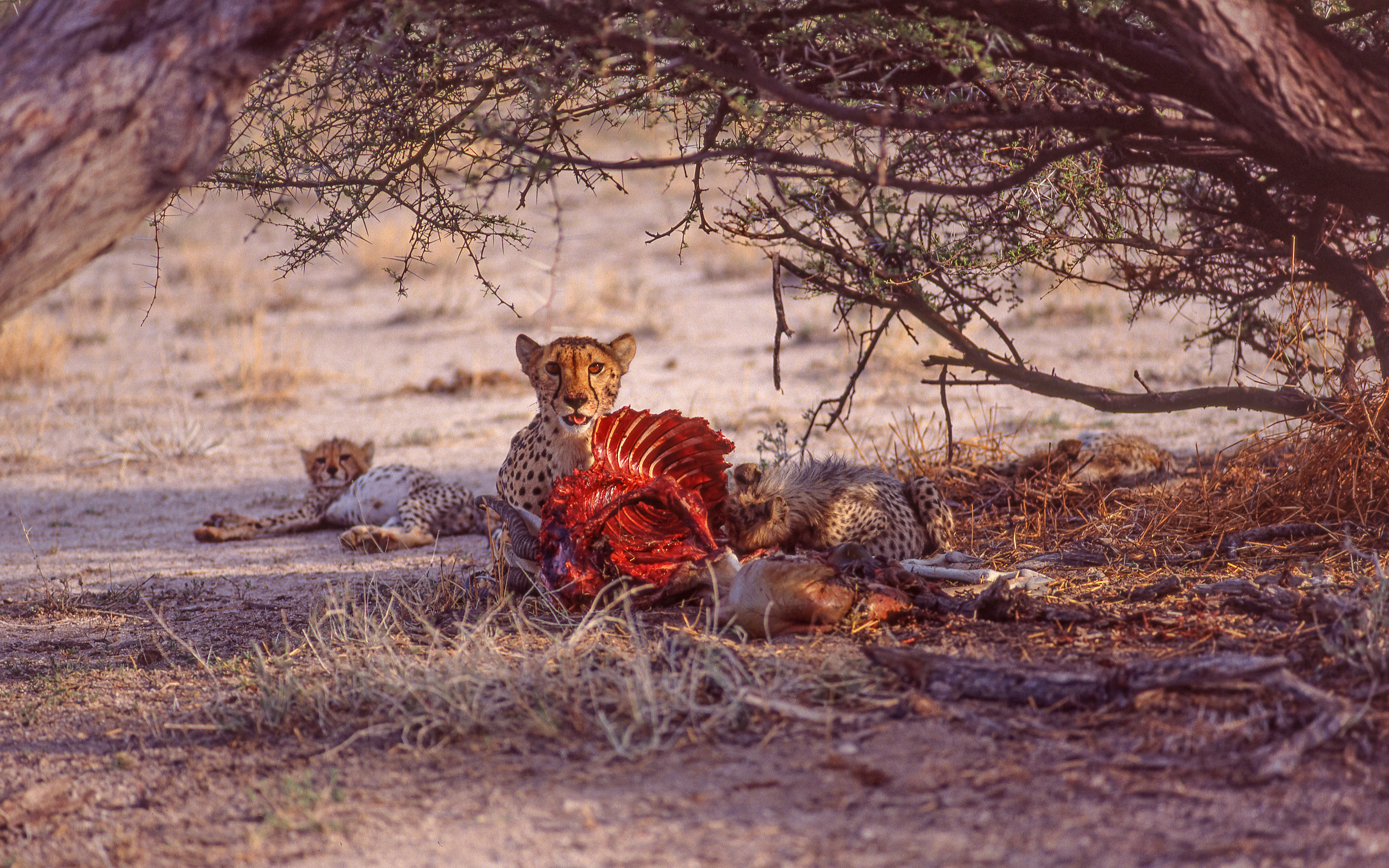
The mid-range tier, roughly 300 to 700 dollars per person per day, is where most discerning travellers land, and for good reason. Here you can have a private vehicle and guide, stay in comfortable lodges and quality tented camps, and enjoy the flexibility to plan your days around the wildlife rather than a group timetable. The jump from budget to mid-range buys the two things that most improve a safari — privacy and a great guide — and for many people it is the single best-value decision in the whole plan.
Within this band, the main variable is accommodation. Towards the lower end you will stay in solid lodges; towards the upper end in characterful tented camps closer to the action. The guiding and vehicle, however, are private throughout, which is what truly defines the experience. It is the level we most often recommend for travellers who want excellent value without the compromises of a budget trip, and it suits honeymooners, families and first-timers alike.
Luxury safari Tanzania: $700–$1,500+/day
A luxury african safari cost typically begins around 700 dollars per person per day and rises well beyond 1,500 for the most exclusive camps and experiences. At this level you are paying for prime locations inside the best wildlife areas, exceptional guiding, beautiful design, superb food, and often internal flights that maximise your time in the field rather than on the road. Ultra-luxury options with exclusive-use villas, private jets and the most sought-after suites sit higher still, into several thousand dollars a day.
Importantly, more money does not simply buy more nights — it buys better moments: closer access, fewer vehicles, seamless logistics and the kind of guiding that finds the sightings others miss. The diminishing-returns point is real, though, and a good operator will tell you when spending more stops meaningfully improving your safari. Our guide to the best luxury Serengeti lodges shows what the top tier looks like in practice and where the genuine value lies, so you can decide how far up the scale is right for you.
What is always included — and what is not
A reputable cost breakdown of a luxury African safari trip should always include your guide and vehicle, park and conservation fees, accommodation, meals on safari, and drinking water in the vehicle. What is often excluded — and where unpleasant surprises hide — are international flights, visas, travel insurance, premium drinks, tips, and optional extras like balloon flights or private dinners. The most common trick in cheap quotes is to omit park fees, which are substantial, and add them later once you are committed.
Always ask for an itemised quote so you can compare like with like between operators. A price that looks 20 percent cheaper often turns out to exclude something the more expensive quote includes, and the gap usually appears exactly where it is hardest to see. Transparency is the mark of a trustworthy operator, and you are entitled to see exactly what your money covers before you pay a deposit. If a company is reluctant to itemise, treat that as useful information in itself.
Hidden costs travellers forget to budget for
Beyond the headline price, build in a realistic allowance for international flights, your Tanzania e-visa of around fifty dollars, comprehensive travel insurance with medical evacuation cover, and tips for your guide and camp staff. Travellers also forget the cost of a night near Kilimanjaro on arrival and departure, premium drinks, curio shopping, and any special experiences such as a balloon flight over the Serengeti. None of these are huge individually, but together they can add several hundred dollars to your total, and an honest operator will flag them up front rather than let them ambush you later.
How to get the most value for your safari budget
The smartest way to stretch a safari budget is to travel in the green season, when rates soften and the landscapes are at their most beautiful; to prioritise a great private guide over the fanciest lodge; to choose fewer parks explored well rather than many rushed; and to book directly with a local operator to avoid international markups. Spending wisely, not simply spending less, is how you get the most safari for your money — and a good local operator will help you find that balance honestly rather than always pushing you upmarket.
It also pays to be flexible on dates where you can. Shoulder periods just before and after peak season often offer near-peak wildlife at noticeably lower prices, and mid-week internal flights can be cheaper than weekend ones. Small adjustments like these, guided by someone who knows the calendar intimately, can shift hundreds of dollars without changing the quality of your experience at all.
See what the premium tier buys in our best luxury Serengeti lodges guide, and time your trip with our best time to visit Tanzania calendar.
Want to picture the trip itself? Browse our Tanzania safari itinerary examples.
The cheapest safari is rarely the best value, and the most expensive is rarely necessary — the art is matching the spend to the moments that matter most to you.
- Travel green season for lower rates and lush scenery
- Prioritise a private guide over the fanciest suite
- Do fewer parks, properly, to cut transfer costs
- Book direct with a local operator — skip the markup
- Always get an itemised quote so nothing is hidden
How to book and what to expect when paying
Once you are happy with an itinerary, booking a Tanzania safari usually follows a clear pattern. A deposit — commonly around 20 to 30 percent — secures your camps and flights, with the balance due several weeks before you travel. Camps and internal flights are booked on your behalf the moment you confirm, which is why early booking matters so much in peak season: the best properties genuinely do sell out, and a deposit is what holds your place.
Payment is typically made by bank transfer or card, and a reputable operator will give you a clear, itemised confirmation showing exactly what is included. Be cautious of any company asking for full payment far in advance with no itemised breakdown, or pushing you to pay into a personal account. Transparency at the booking stage is a strong signal of how the whole trip will be run, so treat the booking process itself as useful information about the operator.
Because plans can change, comprehensive travel insurance with cancellation and medical evacuation cover is essential, and we recommend arranging it as soon as you pay your deposit. We will always set out the cancellation terms clearly before you commit, so there are no surprises. Our aim is that the booking feels as honest and straightforward as the safari itself — no pressure, no hidden conditions, just a clear agreement and a trip to look forward to.
It is worth keeping the whole question of cost in perspective. A safari is, for most people, a rare and significant journey — often years in the dreaming — and the difference between a merely adequate trip and an unforgettable one frequently comes down to a relatively small share of the total budget spent in the right places. A great guide, a well-positioned camp and a sensible pace are worth far more than an extra gadget or a grander lobby. Spend where it shows up in your days, economise where it does not, and you will come home feeling the trip was worth every penny — which, in the end, is the only measure of value that matters.
Get a personalised Tanzania safari quote
Every budget can be turned into a wonderful safari with the right choices. Tell us your budget, group size and travel dates, and we will build a package that maximises every dollar you spend — with a clear, itemised quote and no hidden fees, so you know exactly what you are paying for before you decide. Honest pricing is the foundation of every trip we run, and it starts with a straightforward conversation about what matters most to you.
Get your personalised safari quote from Sokwe Africa Safari