
Why the Ngorongoro Crater is unmissable
The Ngorongoro Crater is one of the true wonders of the natural world, and a Ngorongoro Crater safari is an essential part of almost every northern Tanzania itinerary. Often described as the eighth wonder of the world and a UNESCO World Heritage Site, this vast volcanic caldera holds an astonishing concentration of wildlife within its walls — around 25,000 large animals living in a self-contained ecosystem that has no equal anywhere on Earth. To stand on the rim at dawn and gaze down into this living amphitheatre is one of the great moments of any safari.
What makes the crater so special is the combination of dramatic scenery and unrivalled wildlife density. The setting alone is breathtaking — a 600-metre-deep bowl, twenty kilometres across, its floor a mosaic of grassland, soda lake, swamp and forest. Within it live lions, elephants, buffalo, hippos, flamingos and, crucially, some of the last black rhino in northern Tanzania, making the crater one of the best places on the continent to see the full Big Five in a single day. This guide covers everything you need to plan a crater safari.
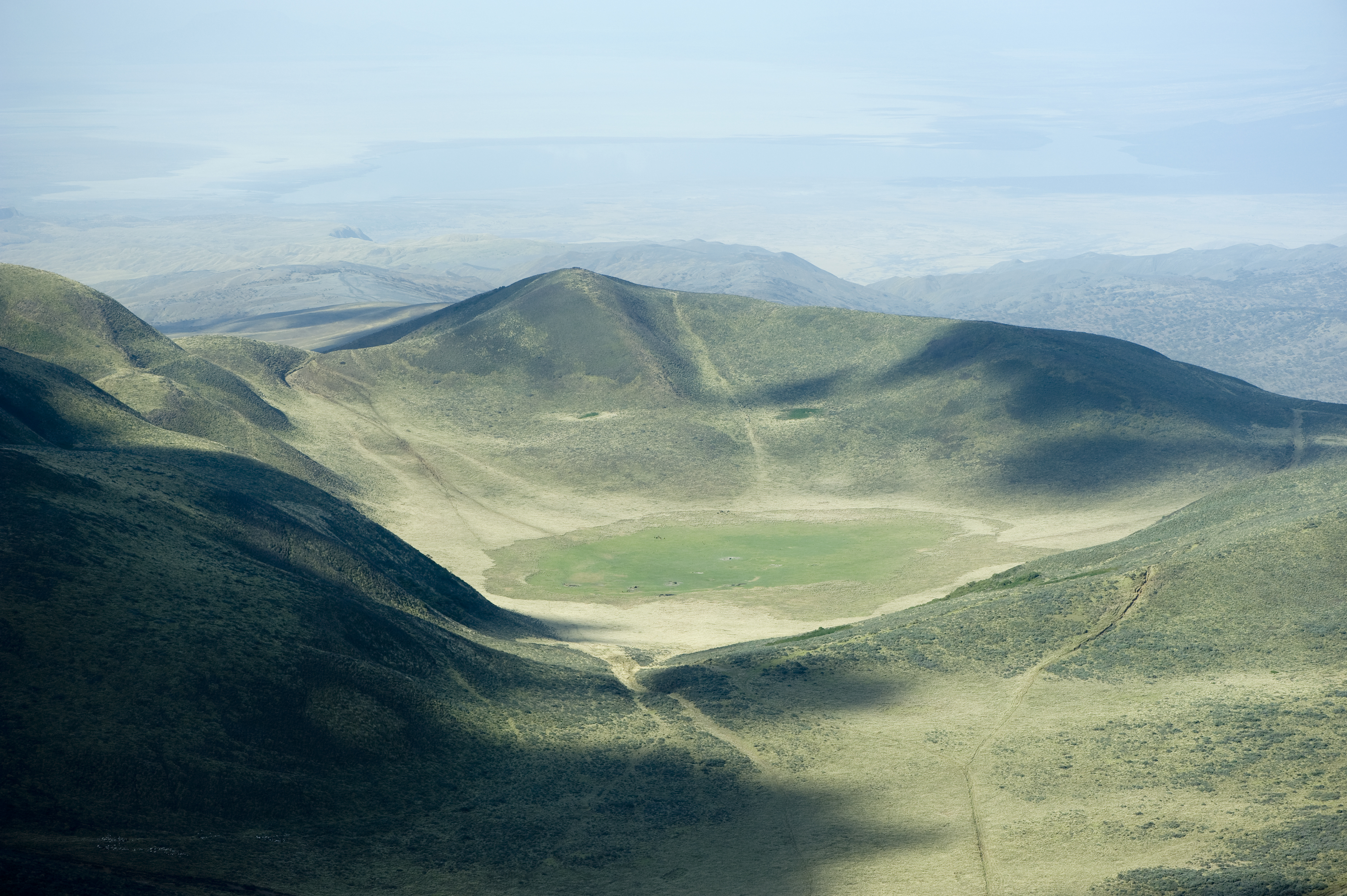
What exactly is the Ngorongoro Crater?
The Ngorongoro Crater is not, strictly, a crater but a caldera — the collapsed cone of what was once an enormous volcano, perhaps as tall as Kilimanjaro, that erupted and fell in on itself some two to three million years ago. The result is the largest intact, unflooded volcanic caldera in the world, its steep walls enclosing a flat floor of around 260 square kilometres. The high, forested rim sits at over 2,200 metres, so the air is cool and often misty, while the floor below basks in warmer sun.
This enclosed geography is the secret of the crater's extraordinary wildlife. The permanent water and rich grazing on the floor support resident populations year-round, and while the walls are not a true barrier, most animals have little reason to leave such a bountiful home. The Ngorongoro Crater forms the heart of the wider Ngorongoro Conservation Area, a unique region where wildlife and the Maasai and their cattle coexist, blending conservation with living tradition in a way found almost nowhere else.
The wildlife of the crater floor
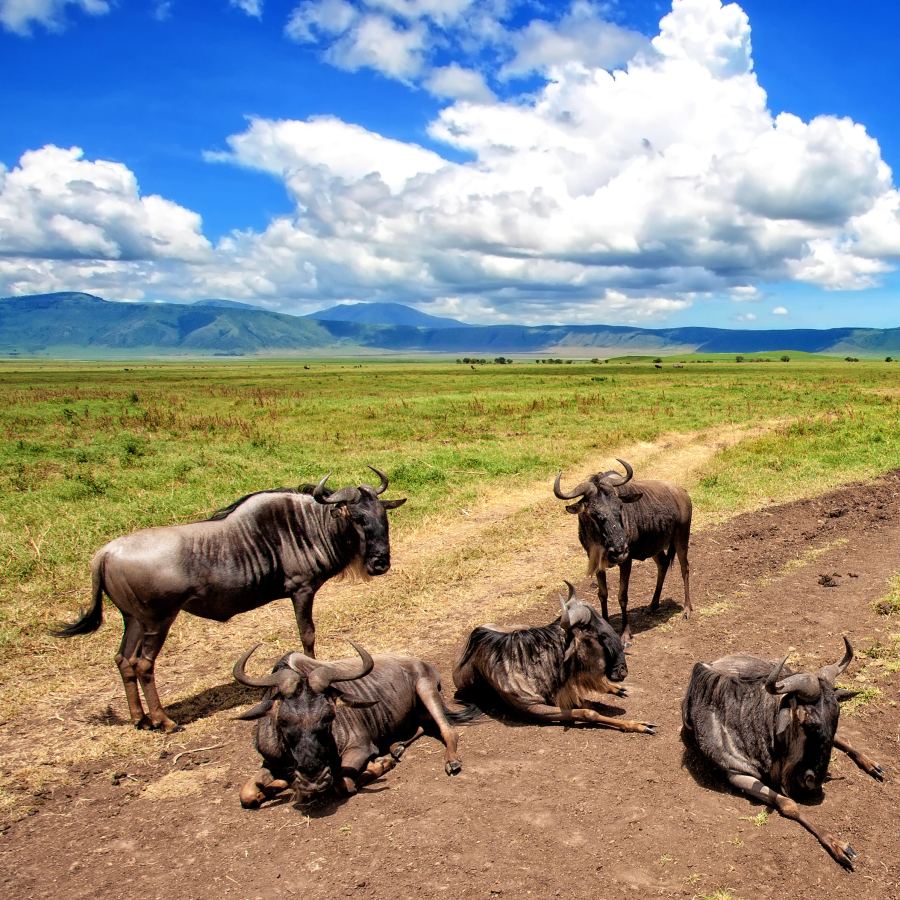
Descend onto the crater floor and the density of wildlife is immediately, almost overwhelmingly, apparent. Great herds of wildebeest, zebra and gazelle graze the open grassland, while prides of lions — among the most studied in Africa — rest in the morning sun, often close to the tracks. The crater is famous for its large, well-fed males, and big-cat sightings here are exceptionally reliable, with leopard and cheetah also present though harder to find.
The crater is one of the surest places in Tanzania to see the endangered black rhino, which graze the open floor and can often be spotted, sometimes at a distance, completing the Big Five alongside the lion, elephant and buffalo. The bull elephants here are noted for their enormous tusks, having found the crater's resources ideal for their later years. Hippos wallow in the pools, flamingos tinge the soda lake pink, and hyenas, jackals, and a wealth of birds complete a cast of remarkable richness.
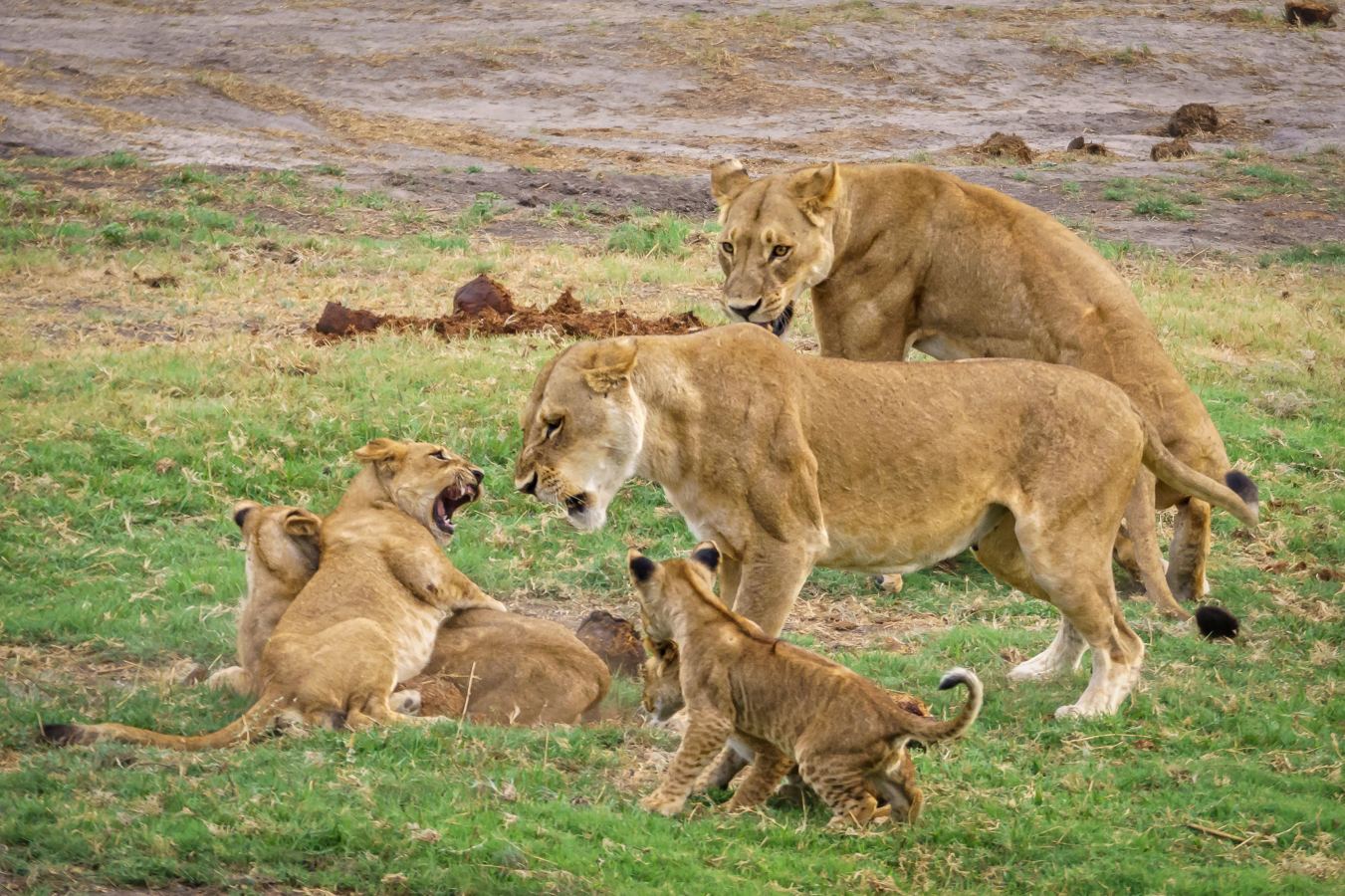
Descending into the crater: what a day looks like
A day in the crater is an experience of mounting drama. You set out early, often before dawn, and the vehicle winds down the steep, forested inner wall — a descent alive with buffalo and birdsong — before emerging onto the open floor as the light comes up. The scale of the wildlife becomes apparent at once, and the morning hours are spent moving slowly across the grassland, pausing at lions, elephants and the soda lake, with the towering walls forming a constant, spectacular backdrop.
Most crater visits are half-day game drives, as regulations limit the time vehicles may spend on the floor, but the density of wildlife means even a few hours deliver an embarrassment of riches. A picnic lunch at a designated spot, often beside a hippo pool, is a memorable highlight. By early afternoon you ascend again to the rim, where the cool air and the panoramic views provide a fitting end to one of the most concentrated wildlife experiences available anywhere in Africa.
Best time to visit the Ngorongoro Crater
The Ngorongoro Crater is a superb year-round destination, since its resident wildlife does not migrate and the floor always teems with life. That said, the seasons bring subtle differences. The dry season from June to October offers easy access, comfortable game viewing and clear conditions, and is the most popular time, so the crater can be busy with vehicles in peak months. The early morning remains the best time to descend whatever the season, both for the light and to beat the crowds.
The green season from November to May transforms the crater into a lush, emerald bowl, with newborn animals, dramatic skies and far fewer visitors, though occasional rain and mist on the high rim are part of the package. Flamingo numbers on the soda lake vary with the water levels through the year. Whenever you visit, the crater delivers, and our guide to the best time to visit Tanzania explains how it fits the wider safari calendar.
Where to stay and how it fits your trip
Accommodation for a crater safari clusters on the rim, where a range of lodges offers that unforgettable experience of waking with the caldera at your feet. These range from grand historic lodges to intimate, design-led camps, all positioned for the early descent and for the spectacular sunrise and sunset views over the crater. Staying on the rim, rather than driving in from afar, lets you be among the first vehicles on the floor in the magical early light.
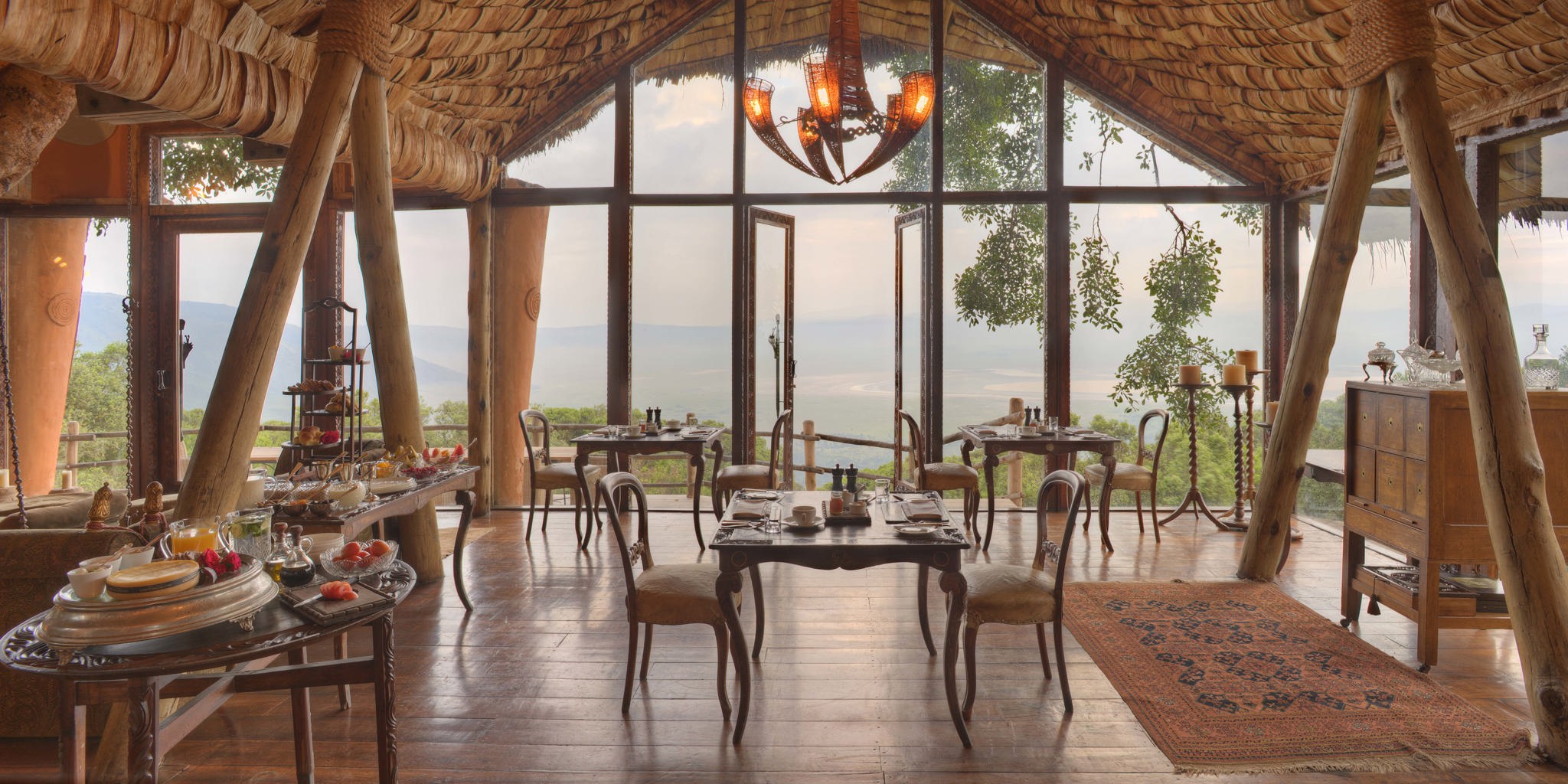
In terms of planning, the Ngorongoro Crater sits naturally on the northern circuit between Lake Manyara and the Serengeti, and almost every itinerary includes it. Typically travellers spend a night on the rim and enjoy a half-day in the crater, often combining it with a visit to the nearby Olduvai Gorge, the famous archaeological site, or a Maasai cultural visit. Our sample Tanzania safari itinerary shows exactly where the crater fits in a well-paced trip.
Crater fees, conservation and the Maasai
A Ngorongoro Crater safari carries higher fees than most parks, including a conservation area entry fee and a specific crater service fee per vehicle, reflecting both its protected status and its popularity. These costs are built into any reputable operator's quote, and while the crater is not the cheapest park to visit, the experience justifies the expense for almost every traveller. Our Tanzania safari cost guide explains how these fees fit into an overall budget.
Importantly, your fees support a unique conservation model. The Ngorongoro Conservation Area is one of the few places where wildlife protection coexists with the traditional life of the Maasai, who graze their cattle across the highlands. Visiting the crater therefore supports both the protection of its remarkable wildlife and the livelihoods of the people who share the landscape — a powerful reminder that the finest safaris give back to the wild places and communities that make them possible.
See how the crater fits your route in our Tanzania safari itinerary, and time your trip with our best time to visit Tanzania guide.
To descend into the Ngorongoro Crater at dawn is to enter a lost world — a single bowl holding the whole drama of Africa, walls rising on every side.
- A 600m-deep volcanic caldera, 20km across
- Around 25,000 animals living year-round
- One of the best places for the Big Five in a day
- Reliable lions; one of the last black rhino strongholds
- Stay on the rim for the early descent
- Higher fees, but an unmissable experience
Tips for making the most of your crater day
A few simple strategies dramatically improve a Ngorongoro Crater safari. The most important is to descend as early as possible, ideally at first light, both to enjoy the crater in its most beautiful, misty morning glory and to have the floor relatively to yourself before the day's vehicles arrive. The early morning is also when predators are most active, so an early start maximises both your sightings and your sense of solitude in this popular place.
Because regulations limit vehicles to roughly half a day on the crater floor, plan your time well with your guide, prioritising the areas and species you most want to see. The density of wildlife means you will not struggle to fill the hours, but a focused plan — heading first to where lions or rhino are most likely — pays off. A picnic lunch on the floor, often near a hippo pool, lets you maximise your time below rather than ascending early.
Consider combining your crater visit with the nearby attractions of the Ngorongoro Conservation Area. The Olduvai Gorge, one of the most important archaeological sites in the world where early human fossils were discovered, lies close by and adds a fascinating dimension. A visit to a Maasai community in the highlands is another rewarding complement, deepening your understanding of the unique landscape where people and wildlife share the land.
Pack for the conditions, which can vary sharply. The crater rim is high and often cold and misty, especially in the early morning, so warm layers are essential, while the floor below is warmer and sunnier. Bring binoculars, as the black rhino in particular are often seen at a distance, and a camera with a good zoom for the wildlife and the sweeping landscapes. Being prepared for the temperature swing makes the long, rewarding day far more comfortable.
Finally, manage expectations and savour the spectacle. The crater is one of the most reliable places in Africa for big game and the Big Five, but it is still wild nature, and the rhino especially are never guaranteed. Approach it as a unique, almost surreal concentration of wildlife in an extraordinary setting rather than a checklist, and the Ngorongoro Crater will reward you with one of the most memorable days of your entire safari.
One last piece of advice: do not treat the crater as a mere add-on to be rushed. Some itineraries squeeze it into a hurried morning between long drives, but the Ngorongoro Crater deserves to be experienced properly, with an early, unhurried descent and a comfortable night on the rim before or after. Given that respect, it consistently ranks among travellers' favourite days in all of Tanzania — a singular, almost dreamlike concentration of Africa's wildlife in one breathtaking, walled world, and a fitting centrepiece for any northern safari.
Plan your Ngorongoro Crater safari
The Ngorongoro Crater is a highlight of any Tanzanian journey, and seeing it at its best — early, in good light, before the crowds — is all in the planning. Tell us your dates and interests, and we will build the crater into a perfectly paced northern safari alongside Tarangire, Lake Manyara and the Serengeti, with a rim lodge positioned for that unforgettable sunrise descent into one of the natural wonders of the world.
Plan your Ngorongoro Crater safari with Sokwe Africa Safari