What luxury actually means in the Serengeti
A luxury Serengeti safari is not simply a more expensive version of a standard one — it is a fundamentally different experience. The money buys you privacy, flexibility and time: an exclusive camp far from the busy circuits, a private vehicle and guide who answer to no one but you, a light aircraft that replaces an eight-hour drive with a fifty-minute flight, and a hot-air balloon drifting over the plains at dawn. Done well, luxury removes every source of friction between you and the wildest, most beautiful savannah on earth, so that all you experience is the Serengeti itself.
This guide is about that experience layer — what your money actually buys, piece by piece, and what each piece realistically costs in 2026. We cover exclusive-use camps and luxury tented camps, private vehicles and top-tier guiding, balloon flights with champagne breakfast, fly-in access through the Seronera and Kogatende airstrips, and how to watch the great migration without the crowds. We also give an honest view, as a Tanzanian operator, of what is genuinely worth paying for and where the premium buys you very little. If you are comparing properties, our guide to the best luxury lodges covers individual names; this article is about the whole.
Luxury tented camps and exclusive-use options
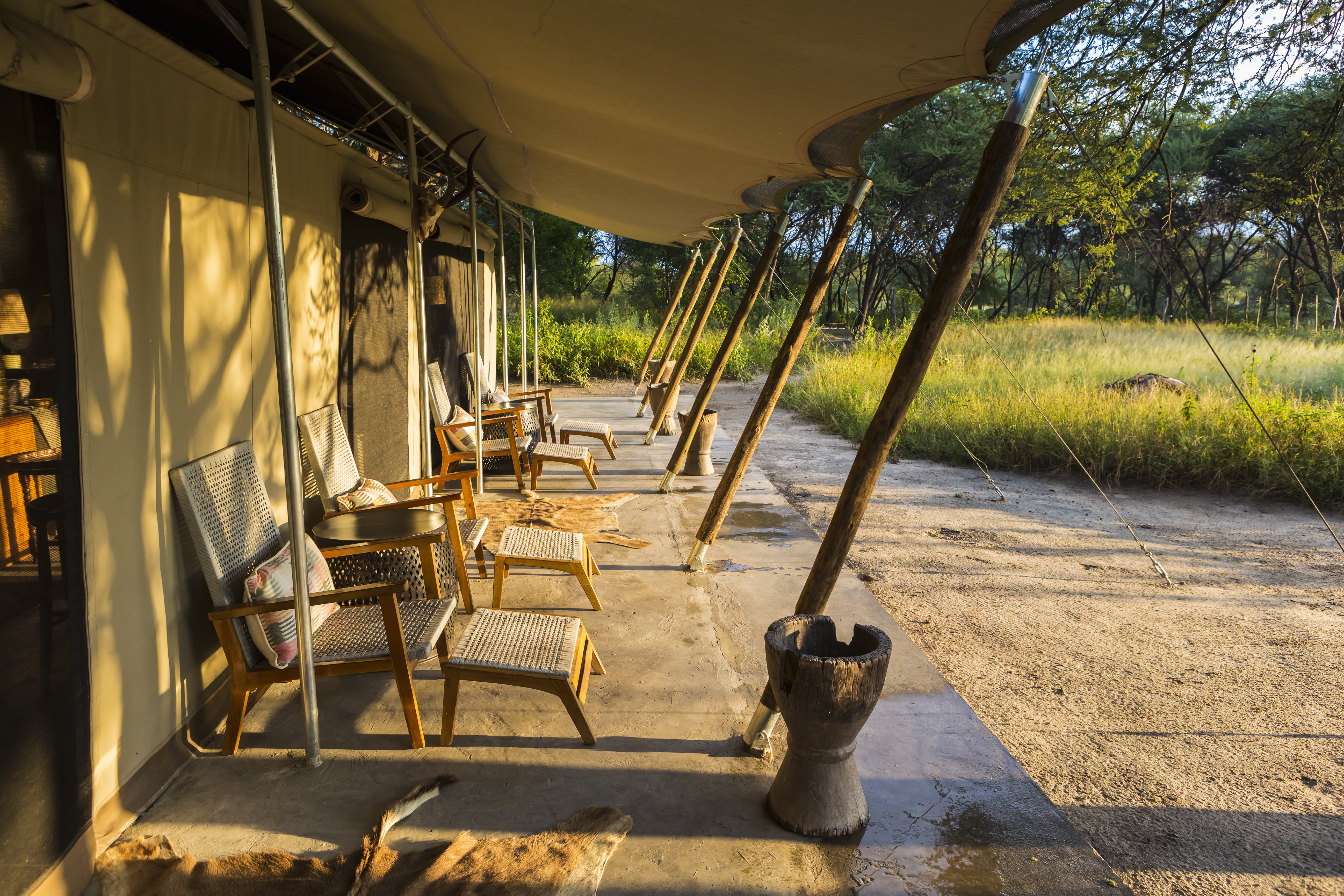
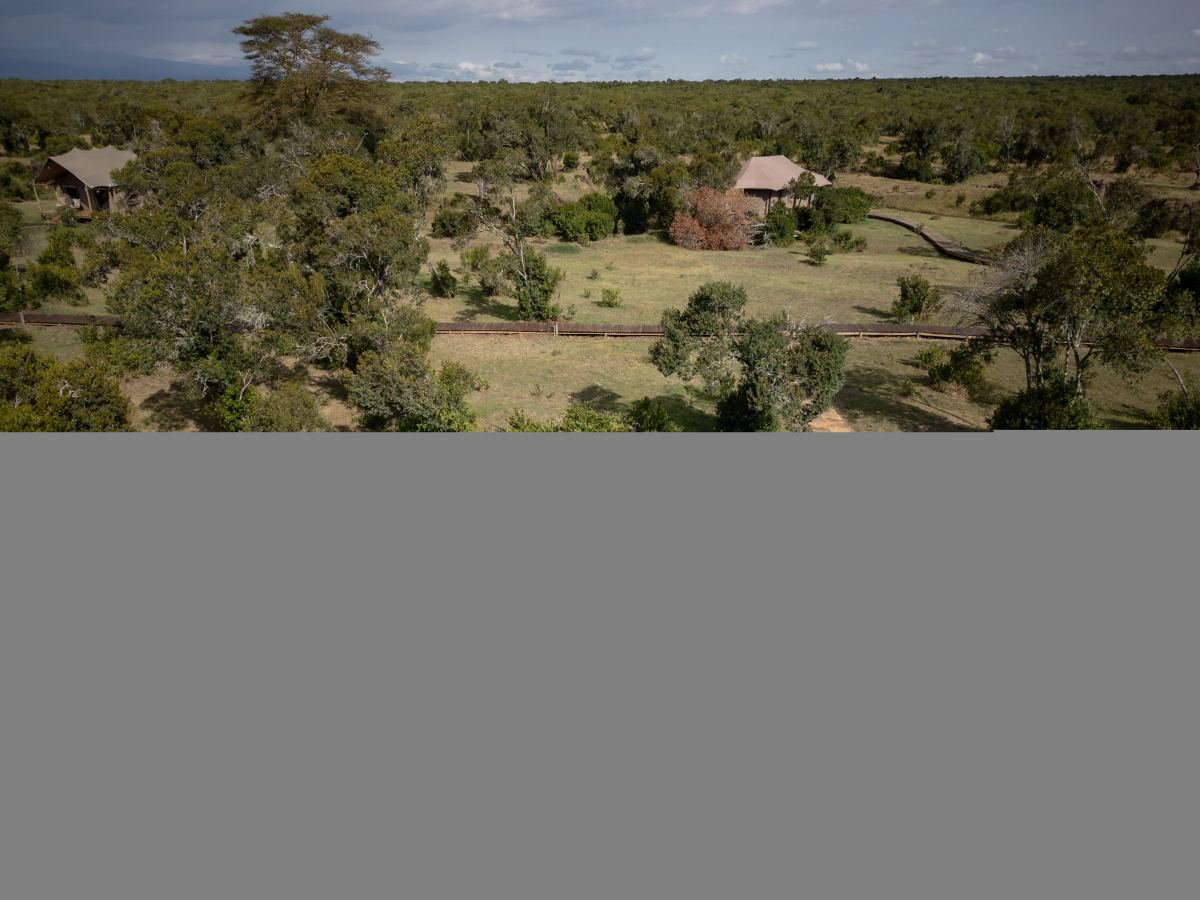
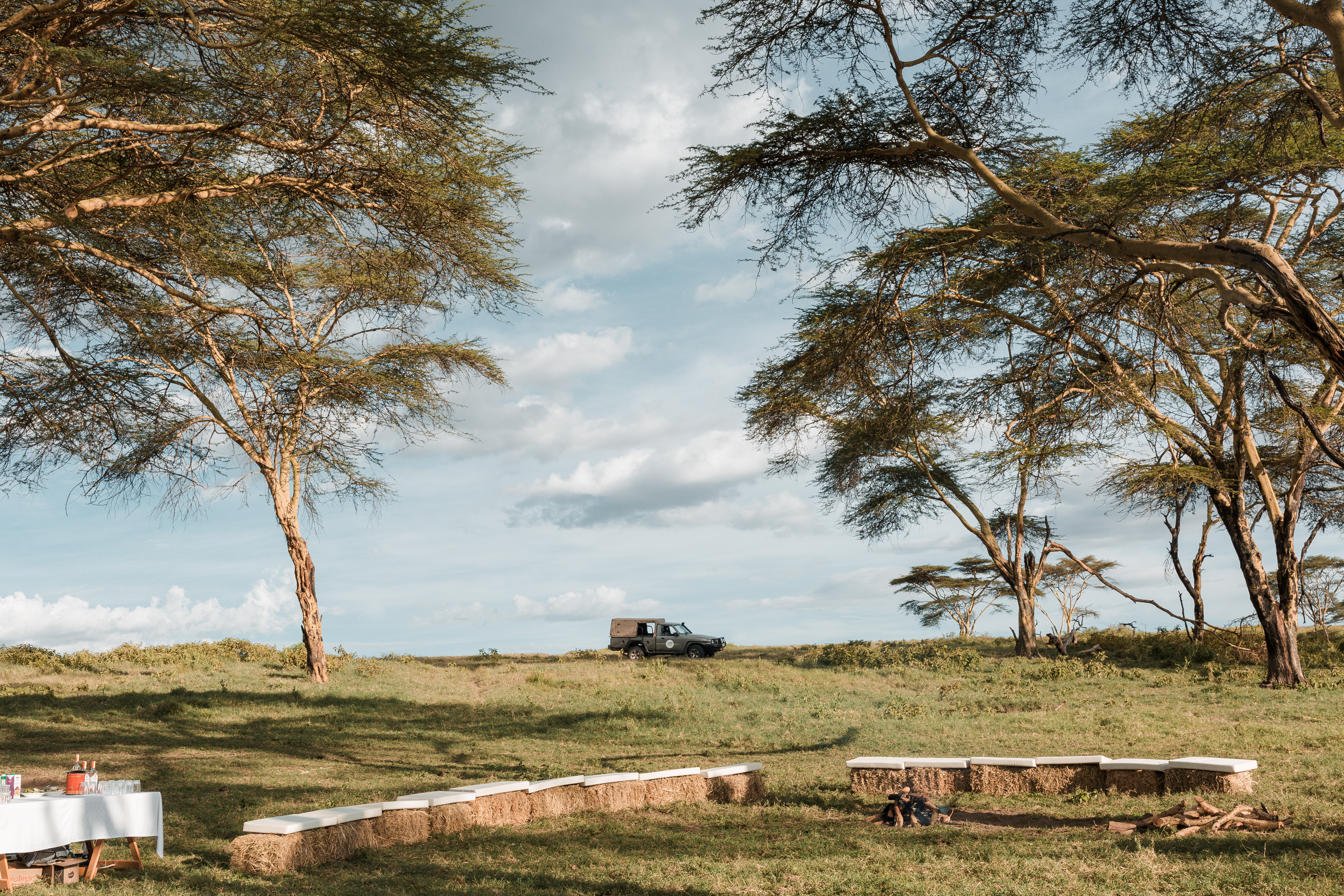
The heart of a luxury safari serengeti travellers remember for life is almost always the camp. The finest luxury tented camps in the Serengeti are small — typically six to twelve tents — and superbly positioned, either deep in a quiet corner of the park or following the migration through the seasons. The tents themselves are large canvas suites with proper beds, en-suite bathrooms, hot showers and often a private veranda facing the plains; several of the top properties add plunge pools, so you can watch elephants file past while cooling off at midday.
The next tier up is exclusive use: taking over an entire small camp, or booking a private mobile camp erected just for your party. For families and groups of six or more this is transformative — your own chef, your own guides, your own campfire, meals whenever you like and no strangers at dinner. Exclusive-use camps in the Serengeti generally start around 6,000 to 10,000 US dollars per night for the whole camp in 2026, which sounds enormous until you divide it by eight guests and realise it can cost little more than booking the same tents individually.
What separates a genuinely top-tier camp from a merely comfortable one is rarely the thread count — it is location and service density. A camp sited on a quiet river bend in the northern Serengeti, with staff who remember how you take your coffee by day two, delivers more real luxury than a grand lodge on a busy road. When we design a luxury Serengeti safari at Sokwe, position comes first: we place you where the game is at that precise time of year, and where the fewest other vehicles will be.
Private vehicles and private guides
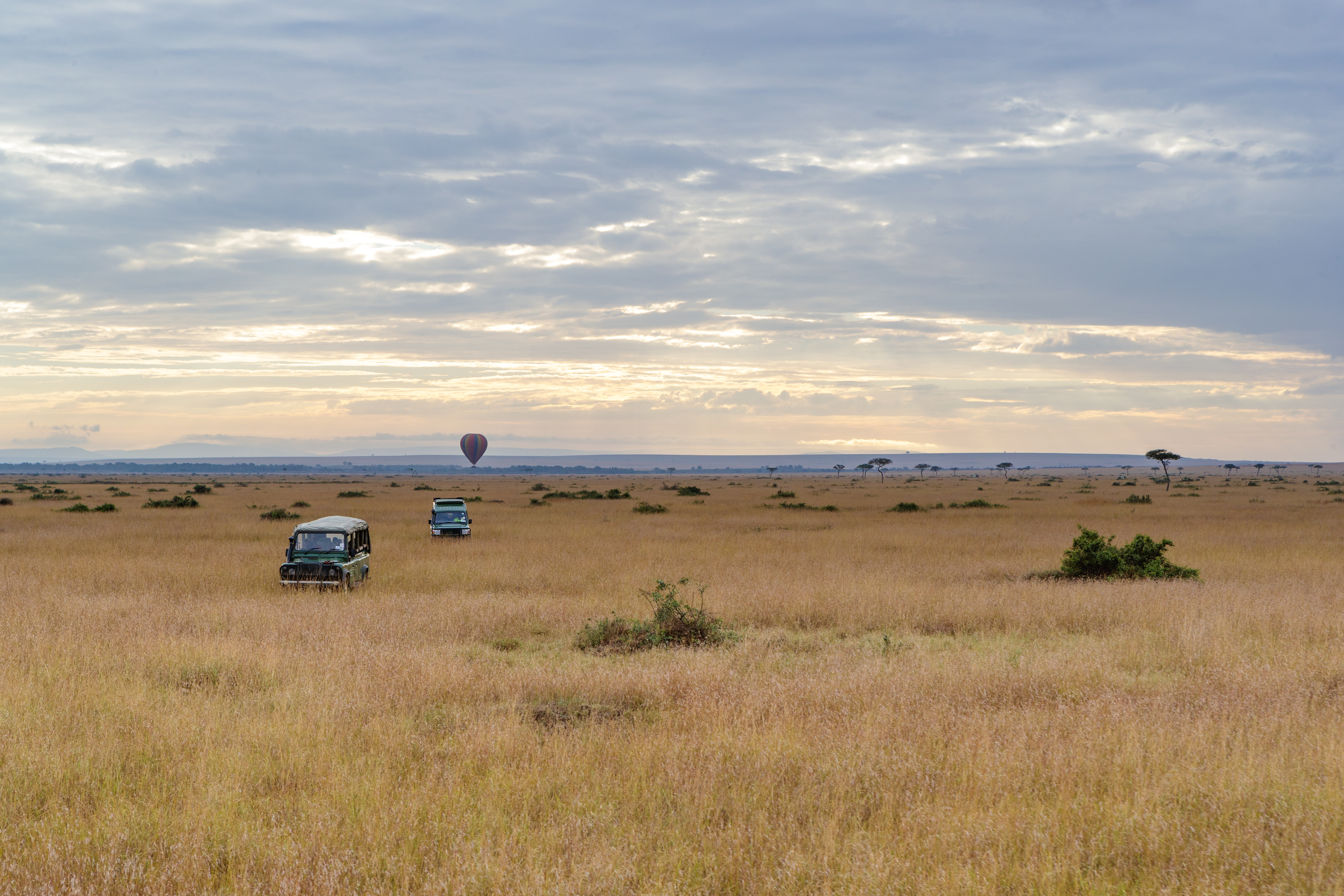
If you upgrade only one thing, make it this. A private guide and vehicle change the character of every single day. You leave when you want — which for serious wildlife viewing means before dawn, not after a leisurely group breakfast. You stay at a leopard sighting for two hours if it fascinates you, or skip it entirely if you have seen twelve leopards already. You stop for photography whenever the light is right. There is no negotiation with strangers about lunch, bathroom breaks or how long to watch a kill; the entire rhythm of the safari bends to you.
The guide matters even more than the vehicle. A top-tier private guide in the Serengeti is part naturalist, part tracker, part logistician and part storyteller — someone who reads vultures on a thermal and finds the lion kill beneath them, who knows which crossing points the wildebeest favour when the river runs high, and who positions the vehicle for the photograph before you know you want it. In 2026, a private vehicle and dedicated professional guide typically adds 250 to 450 US dollars per day to a safari, and it is the single best-value luxury on this entire list.
The vehicles themselves are worth a word. Luxury operators run customised Land Cruisers with pop-up or open roofs, fridges, charging points, bean-bag camera supports and window seats for every guest. On a private basis you will never be rotated out of the best seat. Some camps in private-use arrangements can also arrange off-road driving where park rules permit, along with bush breakfasts and sundowner stops in places a scheduled group tour simply cannot linger.
The hot-air balloon: dawn over the plains
No luxury serengeti safari is complete without at least considering the balloon. You rise in darkness, watch the great envelope inflate by firelight, and lift off as the sun breaks the horizon — then drift silently at treetop height over herds of wildebeest, zebra and giraffe, with hippos in the rivers below and the plains glowing gold in every direction. Flights last about an hour and end, in the grand old East African tradition, with a champagne breakfast served under an acacia tree in the middle of the bush.
In 2026 a balloon flight over the central or northern Serengeti costs roughly 600 to 650 US dollars per person, including the champagne breakfast and transfers from your camp. Is it worth it? For most travellers, emphatically yes — it is the one perspective on the Serengeti that no vehicle can give you, and during migration season the sight of tens of thousands of animals streaming beneath the basket is unforgettable. Book well ahead, because baskets are limited; we cover routes, seasons and operators in detail in our guide to the balloon safari over the Serengeti.
Fly-in access: Seronera, Kogatende and the charter network
Luxury is also about how you move. The drive from Arusha to the central Serengeti takes a full day on rough roads; the flight takes about an hour. Tanzania's excellent light-aircraft network serves a string of airstrips across the park — Seronera in the centre, Kogatende in the far north for the Mara River, Grumeti and Sasakwa in the west, and Ndutu in the south for the calving season — so a fly-in itinerary drops you within thirty minutes of your camp, wherever the wildlife happens to be.
Scheduled seats from Arusha to Seronera or Kogatende run roughly 300 to 450 US dollars per person each way in 2026, while private charters for a family or small group start around 3,000 to 5,000 US dollars per leg depending on aircraft and routing. Flying between sectors of the park — south in February, north in August — is what makes a multi-camp luxury itinerary practical, and the flights themselves are glorious, low-level sightseeing. The one caveat: soft-sided bags only, usually 15 kilograms per person. Our fly-in safari guide covers the network, baggage rules and routings in full.
Watching the migration without the crowds
The great migration is the Serengeti's headline act, and at the famous Mara River crossings between July and October it draws real crowds — at peak moments, dozens of vehicles can line a popular crossing point. Luxury buys you a better version of this spectacle in two ways. First, camps in the right position: a small camp within fifteen minutes of the river reaches a forming crossing before the day-trippers arrive from distant lodges. Second, a private guide with the patience and radio network to read the herds and choose quieter crossing points further along the river.
The more sophisticated answer, though, is timing. The migration is a year-round, 800-kilometre circuit, and some of its finest chapters are nearly private. In late January and February the herds mass in the southern Serengeti and Ndutu for calving, with predator action every morning and a fraction of the peak-season vehicles. In June the columns funnel through the Western Corridor and cross the Grumeti River in near solitude. November sees the herds streaming back south through a green, freshly rinsed and almost empty northern Serengeti. A well-designed luxury Serengeti safari uses these shoulder chapters deliberately.
Luxury in the Serengeti is not marble bathrooms — it is having a river crossing, a sunrise and a hundred square kilometres of Africa essentially to yourself.
What a luxury Serengeti safari costs in 2026
Honest numbers, then. In 2026, expect a genuine luxury Serengeti safari — small premium tented camps, private vehicle and guide, fly-in access, all meals, drinks and park fees — to run between 1,100 and 1,800 US dollars per person per day travelling as a couple. The top tier, meaning the flagship camps and lodges with names you will recognise, plus exclusive-use options, runs 1,800 to 3,000 US dollars and beyond per person per day. High season (July to October and Christmas) sits at the top of each band; the green season months of April, May and November can cost 30 to 40 percent less for the identical camps.
On top of the daily rate come the set pieces: around 600 to 650 US dollars per person for the balloon with champagne breakfast, 300 to 450 US dollars per person per flight sector, and optional extras such as private bush dinners or photographic hides at some properties. A realistic all-in budget for a superb seven-day luxury safari for two, including flights within Tanzania, sits between 18,000 and 30,000 US dollars in 2026. It is serious money — which is exactly why it is worth understanding what each component actually contributes.
Where the money goes
- Camp and full board — roughly 60 to 70 percent of the total
- Park and concession fees — over 100 dollars per person per day
- Private vehicle and guide — 250 to 450 dollars per day
- Internal flights — 300 to 450 dollars per person per sector
- Balloon flight with champagne breakfast — about 600 to 650 dollars per person
What is worth paying for — and what is not
After years of building serengeti safari tours at every level, our honest ranking is this. Worth every dollar: a private vehicle and excellent guide, which improves every hour of every day; camp position, meaning a property in the right sector for your season, close to the action; the balloon flight, once; and fly-in access on any itinerary of five days or more, because days spent driving to the park are days not spent on safari. These four things are the difference between a good safari and the safari of a lifetime.
Worth less than you might think: paying flagship-brand premiums for a second or third luxury property in the same sector, where a superb smaller camp at half the price delivers the same game viewing; suites and villas larger than you will ever use, given you are out on the plains from dawn; and long stays at any single camp in peak season when splitting between two sectors would show you far more. Luxury spending should follow the wildlife and your own priorities — not the glossiest brochure. A candid conversation about trade-offs is the most valuable free thing any operator can offer you.
How to put a luxury itinerary together
The classic shape is seven to ten days. Fly from Arusha into the sector where the migration is — Ndutu in the south for February calving, Seronera year-round for resident big cats, Kogatende in the north for July-to-October river crossings — and spend three or four nights there with your private guide. Then fly to a second, contrasting sector for another three nights, perhaps adding the balloon on your middle morning. Many travellers finish with two nights on the Ngorongoro Crater rim or a barefoot-luxury beach stay on Zanzibar, both an easy flight away.
Sequencing matters more at this level than any other, because the finest small camps hold only a dozen guests and sell out eight to twelve months ahead for July to October and Christmas. If you want a specific migration camp, a particular guide and a balloon slot in peak season, plan early — a year out is not excessive. For green-season trips, four to six months is usually comfortable, and the pricing is dramatically kinder for the same tents, the same guides and, in the calving season especially, some of the best predator viewing of the year.
Common questions about luxury Serengeti safaris
Is a luxury Serengeti safari worth it over a mid-range one? If your budget allows, yes — but spend selectively. The jump from a shared vehicle to a private one, and from a lodge on a busy circuit to a small camp in the right sector, transforms the experience; the jump from a beautiful tent to a slightly more beautiful tent does not. Travellers who spend on privacy, position and guiding consistently report a better safari than those who spent the same total on the most famous property name available.
When is the best time to go? There is no bad month, only different Serengetis. July to October gives the Mara River crossings and dry, easy game viewing at peak prices; late January and February give the calving spectacle in the south; June offers Grumeti crossings in the west with few vehicles; November and early December are green, quiet and remarkable value. And how far ahead should you book? For peak season at the top camps, ten to twelve months; the balloon and any exclusive-use camp deserve the same lead time, since capacity is genuinely tiny.
Build your private Serengeti safari with Sokwe
We build private Serengeti safaris around your dates — tell us what luxury means to you. For some travellers it is a plunge pool and a champagne breakfast under an acacia; for others it is an exclusive camp, a brilliant guide and a river crossing with no other vehicle in sight. As an Arusha-based operator, Sokwe Africa Safaris hand-picks the camps, secures the guides and balloon slots, and sequences the flights so that every day of your safari is spent exactly where the Serengeti is at its best.
Tell us your travel dates, your party size and the experiences that matter most, and we will send you a tailored luxury Serengeti safari proposal with honest pricing and honest advice on where your budget works hardest. Contact Sokwe Africa Safaris today and let us start designing the trip — the plains, the balloons and the private mornings with the migration are waiting.
Plan your luxury Serengeti safari with Sokwe Africa Safaris