
What is a fly-in safari?
A fly-in safari swaps the long road transfers between Tanzania's parks for short, scenic flights in light aircraft. Instead of spending hours driving from the Ngorongoro highlands to the far Serengeti, you hop between bush airstrips in twenty or forty minutes, stepping off the plane and almost straight into a game drive. It is the way most luxury and time-pressed travellers now choose to safari, and it fundamentally changes the rhythm and reach of a trip.
The appeal is simple: more time in the wildlife areas and less time in transit. A fly-in safari lets you string together parks that would be impractical to connect by road — adding the remote southern wilderness of Ruaha or Nyerere to a northern circuit, for instance — without losing days to driving. This guide explains how fly-in safaris work, how they compare with driving, what they cost, and when the extra expense is genuinely worth it.
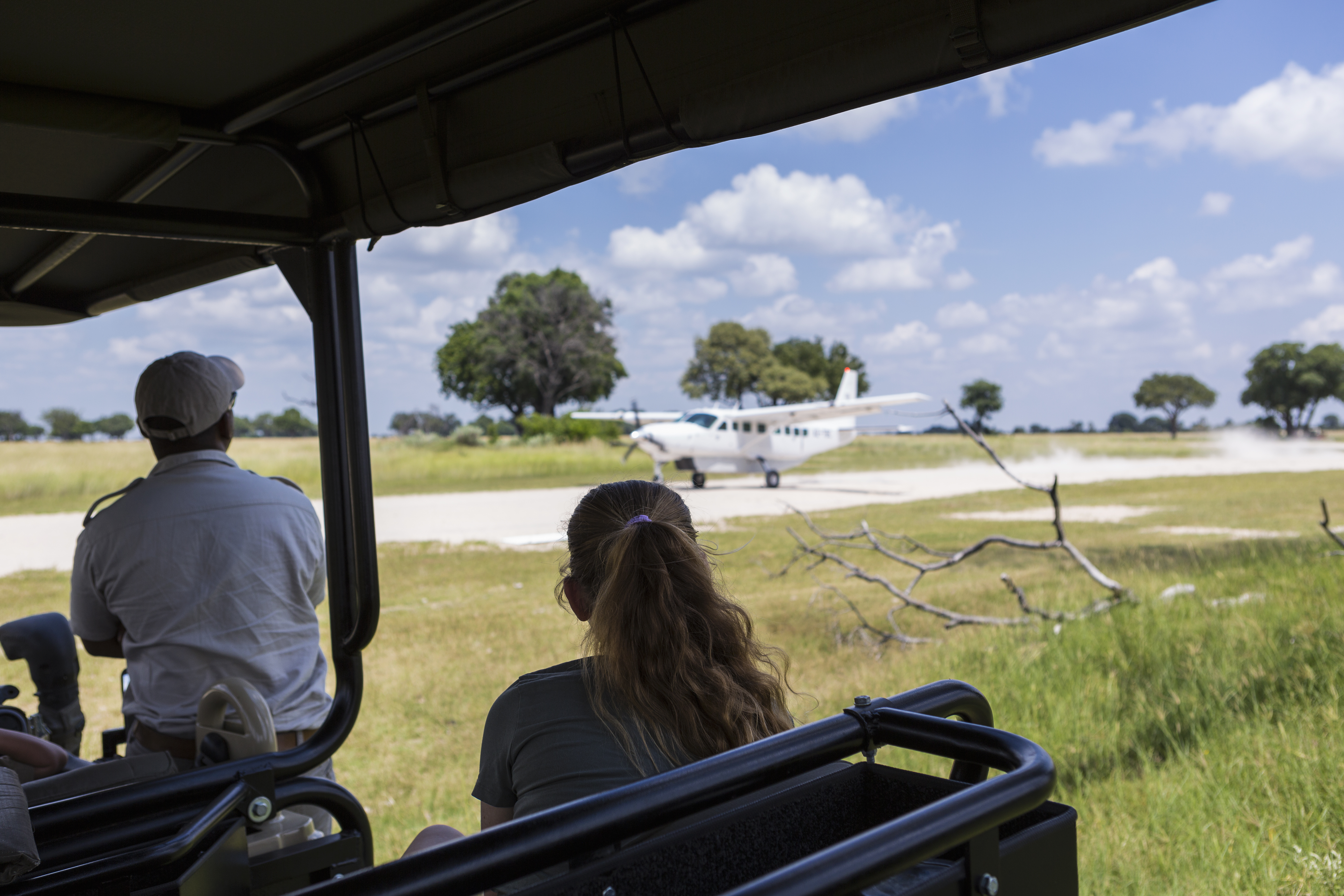
Fly-in versus drive-in: the honest comparison
A traditional drive-in safari, where you travel between the northern parks by 4x4 with your guide, has real charms: you see the changing landscapes, pass through local towns and villages, and keep the same guide throughout for continuity. It is also more affordable, since you are not paying for flights. For the compact northern circuit — Tarangire, Manyara, Ngorongoro and the Serengeti — driving works perfectly well and is what many travellers happily choose.
A fly-in safari trades some of that for speed, comfort and reach. The flights themselves are spectacular, offering aerial views of the plains, the crater and the migration that no road can match, and they spare you long, dusty hours in the vehicle. The trade-offs are cost, the strict luggage limits on small aircraft, and the fact that you typically use different vehicles and guides at each camp rather than one throughout. Neither approach is simply better; the right choice depends on your time, budget and priorities.
How a fly-in safari works
On a fly-in safari you fly into Kilimanjaro, then connect by light aircraft to the airstrips serving each park or camp. These scheduled and charter flights are operated by experienced bush pilots, and the small airstrips are simple dirt or gravel runways where your camp's vehicle meets you on arrival. Transfers are seamless: you land, you are greeted, and you are often on a game drive within minutes, your luggage following behind.
The one practical constraint to plan for is luggage. Light aircraft enforce strict weight limits, typically around fifteen kilograms in soft, squashable bags rather than hard suitcases, with cabin space at a premium. This catches some travellers out, so pack light — most camps offer laundry, which makes it far easier than it sounds. Your operator will brief you on the exact limits and arrange everything, including any overnight bags you wish to leave in Arusha. It is all far simpler than first-timers expect.
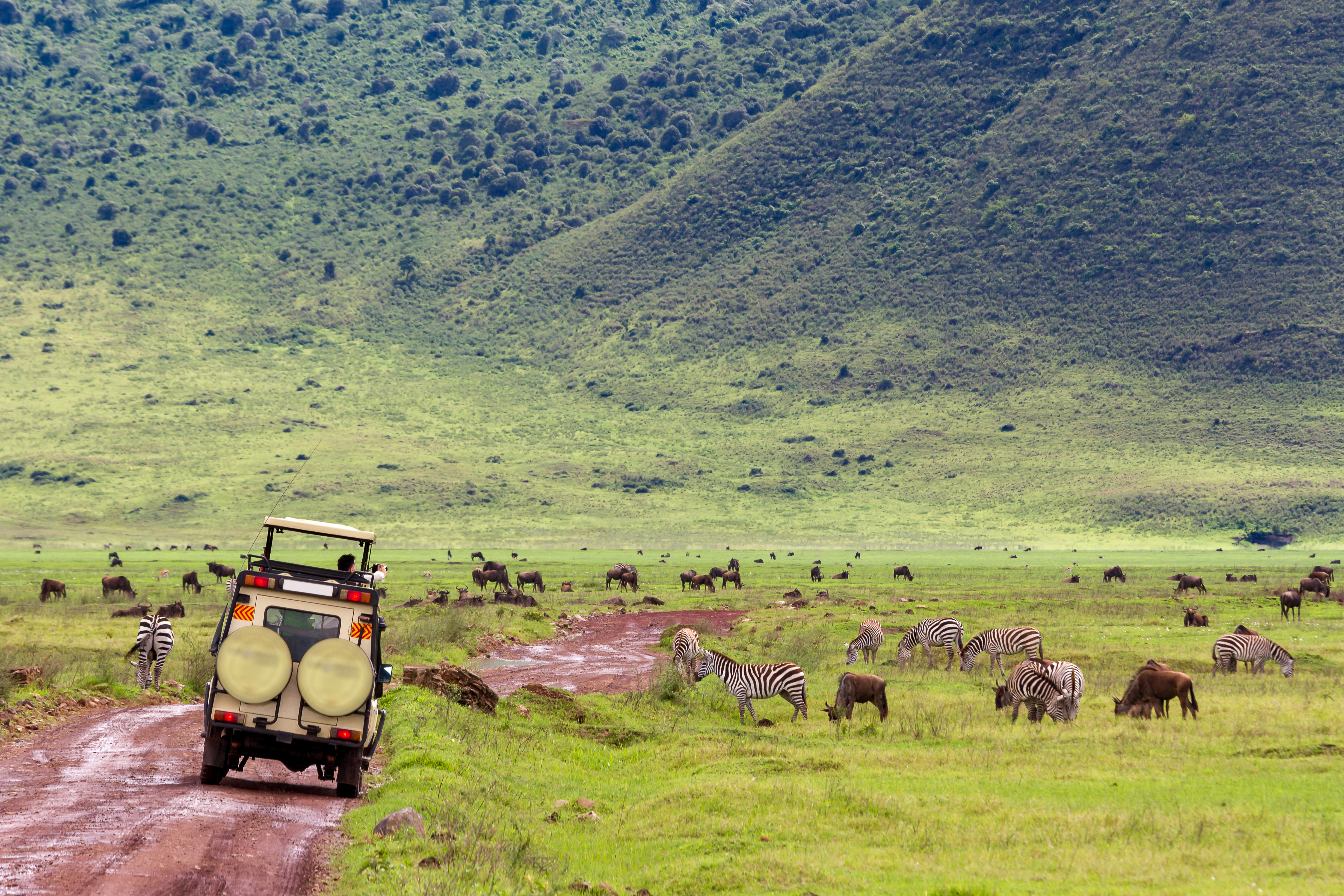
Where fly-in safaris make the most sense
Fly-in safaris come into their own over longer distances and when combining far-flung areas. Reaching the southern parks — Ruaha and Nyerere — or the western chimpanzee forests of Mahale is really only practical by air, so any itinerary including them will be a fly-in trip. Likewise, combining the northern Serengeti with the south, or adding Zanzibar at the end, is made effortless by flying.
Within the northern circuit alone, flying is less essential but still attractive: a flight from Arusha straight into the central or northern Serengeti saves a long drive and maximises your time with the wildlife, which is especially valuable on a shorter trip. As a rule, the longer and more wide-ranging your itinerary, the more a fly-in approach makes sense; for a short, classic northern loop, driving may serve you just as well.
What a fly-in safari costs
A fly-in safari costs more than an equivalent drive-in trip, with the internal flights adding meaningfully to the price — often several hundred dollars per sector per person. In return you gain time, comfort and access, and at the luxury end the flights are usually built into the package as standard. For travellers whose holiday time is limited and valuable, the cost of flying is frequently justified by the extra days it effectively buys in the field.
The overall figure depends on how many sectors you fly, the parks you link, and the standard of your camps. Rather than a fixed price, the sensible approach is to weigh the cost of the flights against the value of the time and reach they unlock for your particular trip. We cost both fly-in and drive-in versions of an itinerary transparently, so you can see the difference and decide where the balance lies for you. Our Tanzania safari cost guide sets out the wider picture.
Who fly-in safaris suit best
Fly-in safaris suit several kinds of traveller especially well. Those with limited time benefit most, as flying converts hours of driving into hours of game viewing. Luxury travellers value the comfort and the seamless logistics. And anyone wanting to combine distant regions — north and south, bush and beach — essentially needs to fly to make the itinerary work. Honeymooners and older travellers often prefer flying for the ease and the avoidance of long, bumpy transfers.
Conversely, budget-conscious travellers, those who enjoy the journey and the changing scenery, and visitors doing only the compact northern circuit may be perfectly happy driving and may prefer to spend the saving elsewhere. There is no single right answer. The beauty of working with a flexible operator is that you can mix the two — flying the long legs and driving the short, scenic ones — to get the best of both.
Combining fly-in and drive
In practice, the most elegant Tanzania itineraries often blend flying and driving. You might drive the early northern parks — Tarangire, Manyara and the Ngorongoro Crater — to enjoy the changing landscapes with one guide, then fly deep into the Serengeti or down to the southern wilderness to save time and extend your reach. This hybrid approach captures the romance of the road and the efficiency of the air in a single, well-paced trip.
Designing that balance well takes local knowledge of flight schedules, airstrip locations and how the pieces fit your dates, which is exactly where a local operator earns its place. The goal is always the same: maximise your time with the wildlife, minimise tiring transfers, and keep the journey smooth from start to finish. However you split it, the aim is a trip that feels effortless.
Weigh the cost in our Tanzania safari cost guide, and see where to stay in the best luxury Serengeti lodges.
A fly-in safari buys you the rarest luxury of all on a short trip — more dawns and dusks in the wild, and fewer hours staring at the back of a seat.
- Flights replace long road transfers between parks
- Essential for the southern parks and far-flung combinations
- Pack light — ~15kg in soft bags on light aircraft
- Costs more, but buys time, comfort and reach
- Best for short trips, luxury travellers and wide itineraries
- Hybrid fly-and-drive trips offer the best of both
What a fly-in safari day feels like
A fly-in safari has a distinctive, rather glamorous rhythm. A typical transfer day might begin with a final morning game drive at your current camp, followed by a short drive to a nearby airstrip — often little more than a clearing in the bush with a windsock. Your light aircraft arrives on schedule, you load your soft bags, and within minutes you are airborne, watching the landscape unfold beneath you in a way no road traveller ever sees.
The flights themselves are a highlight rather than a chore. From a few thousand feet you take in the true scale of the Serengeti plains, the perfect bowl of the Ngorongoro Crater, herds moving across the land, and rivers threading through the wilderness. Flights are short — often twenty to forty minutes between northern airstrips — and the aircraft may make brief hops, touching down at one or two strips along the way to drop and collect other travellers.
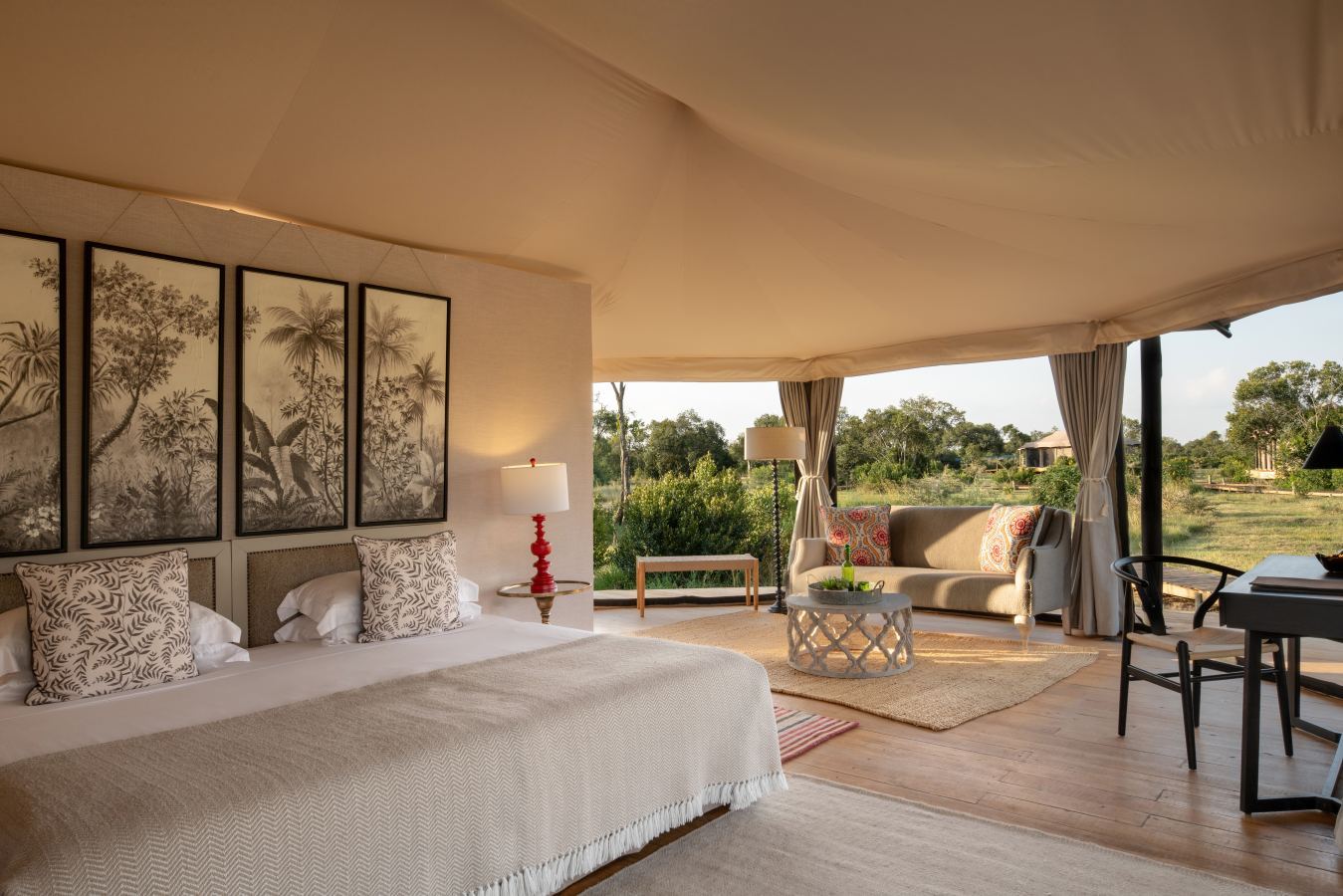
On arrival, your next camp's vehicle and guide are waiting at the airstrip, and you are often on a game drive within minutes of landing, your luggage following behind. There is a wonderful immediacy to it — breakfast in one ecosystem, lunch in another, with the wild filling the time in between rather than hours of driving. For travellers with limited holiday, this efficiency is transformative.
The trade-off, beyond cost, is that you typically change guides and vehicles at each camp rather than keeping one throughout, and you must travel light within the aircraft weight limits. Many travellers find the variety of guides a plus, offering fresh local expertise in each area, while the luggage limit is easily managed with a soft bag and a camp laundry service. The smoothness of the whole experience usually wins people over completely.
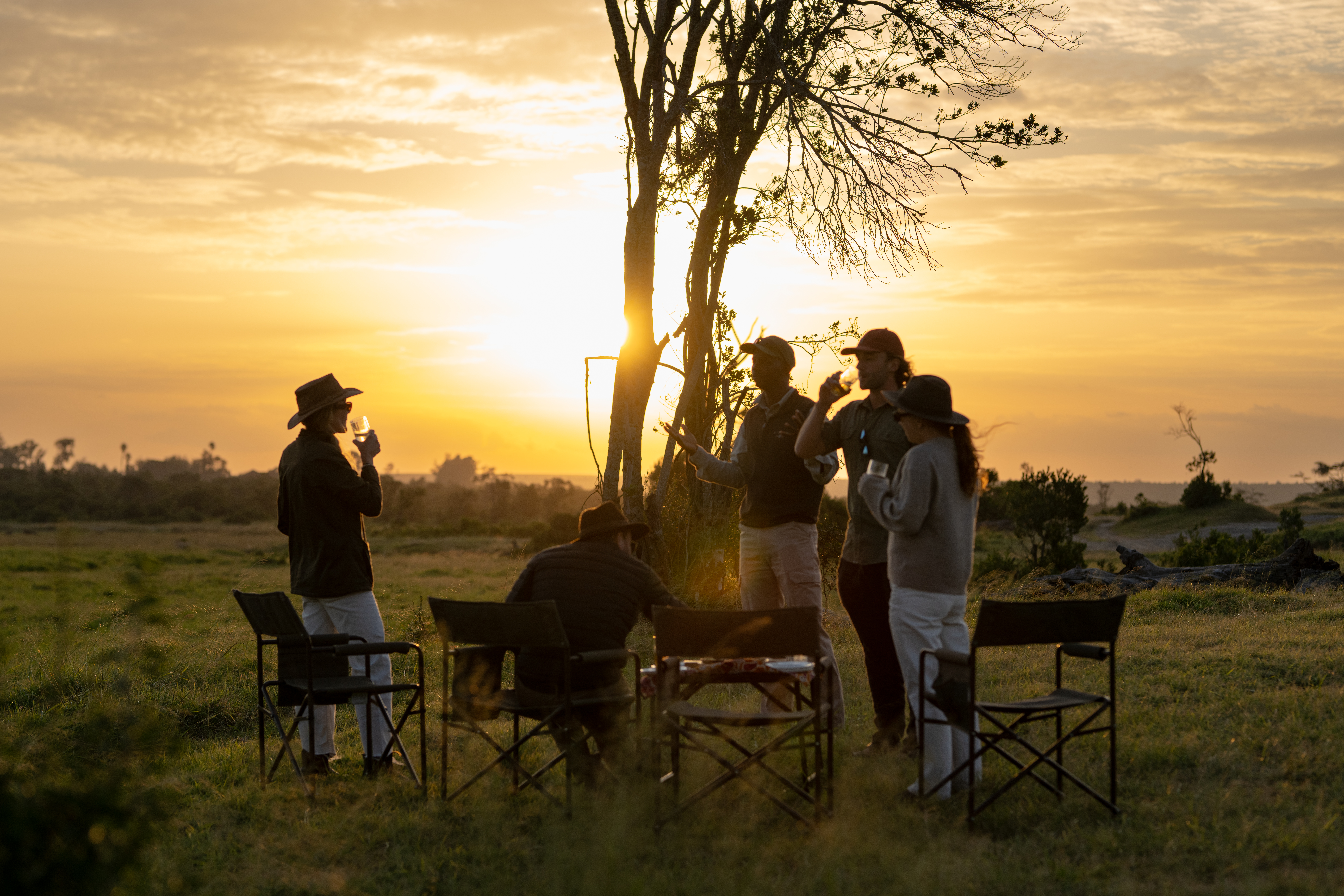
Fly-in safaris also open up genuinely remote camps that road access cannot reach, the kind of exclusive, low-density properties where you may not see another vehicle all day. This is where flying delivers not just convenience but a fundamentally better safari — accessing wilderness that drive-in travellers simply cannot. For honeymooners, photographers and anyone seeking seclusion, that reach is the real prize of going by air.
A practical note on baggage, since it is the one thing that catches fly-in travellers out. Light aircraft enforce strict limits, typically around fifteen kilograms total in soft, squashable bags rather than rigid suitcases, with weight sometimes confirmed at check-in. The solution is simple: pack light in a soft duffel, rely on camp laundry services to refresh your clothes, and leave any bulky or surplus items in secure storage in Arusha to collect at the end. Your operator will brief you on the exact allowance and handle the logistics, so it is far less restrictive than it first sounds.
It is also worth understanding how weather and scheduling work. Light-aircraft flights are generally very reliable, but occasional delays for weather or operational reasons are part of bush flying, so a little flexibility helps. Reputable operators build sensible connections and have contingency plans, and the camps are well used to coordinating arrivals and departures. In practice the system runs remarkably smoothly, and the minor unpredictability is a small price for the time, comfort and reach that flying brings to a Tanzanian safari.
Plan your fly-in safari in Tanzania
Whether a fly-in safari is worth it depends entirely on your time, your budget and the parks you want to see — and the smartest itineraries often blend flying and driving for the perfect balance. Tell us how long you have and where you would love to go, and we will design a seamless trip that puts you in the wild for as much of your time as possible, handling every flight, transfer and detail along the way.
Plan your fly-in safari with Sokwe Africa Safari