
The Complete East Africa Safari: Why Both Countries Belong in One Journey
Kenya and Tanzania safaris are, individually, among the finest wildlife experiences on earth. Together, they constitute something categorically greater — a complete East African journey that follows the world's greatest wildlife migration across two countries, encounters ecosystems of extraordinary diversity across a single continuous landscape, and delivers a breadth of safari experience that no single-country itinerary can approach regardless of how many parks it visits or how many nights it allocates. The traveller who has visited the Serengeti without the Masai Mara, or the Mara without the Serengeti, has experienced one chapter of a story that requires both to be complete. This guide provides everything needed to plan that complete story — from first principles to confirmed itinerary.
The planning of Kenya and Tanzania safaris together involves more decisions than a single-country journey — two sets of national parks, two visa requirements, a cross-border logistics challenge, and a seasonal calendar that governs both countries simultaneously — but the complexity is entirely manageable with the right specialist guidance, and the reward of a well-planned combined journey is an experience that travellers consistently describe as the most extraordinary of their lives. This guide addresses every planning decision in sequence, from the foundational question of what each country contributes to the combined experience through to the practical details of visas, luggage restrictions, and health preparation.
Before planning the parks and itinerary, it is essential to understand the full cost of a combined journey. Our complete tanzania safari cost guide provides the most transparent breakdown of Tanzania safari costs available — covering accommodation tiers, park fees, charter flights, and all additional expenses that determine the total investment for the Tanzanian component of a combined Kenya and Tanzania safari.
What Each Country Contributes to the Combined Safari
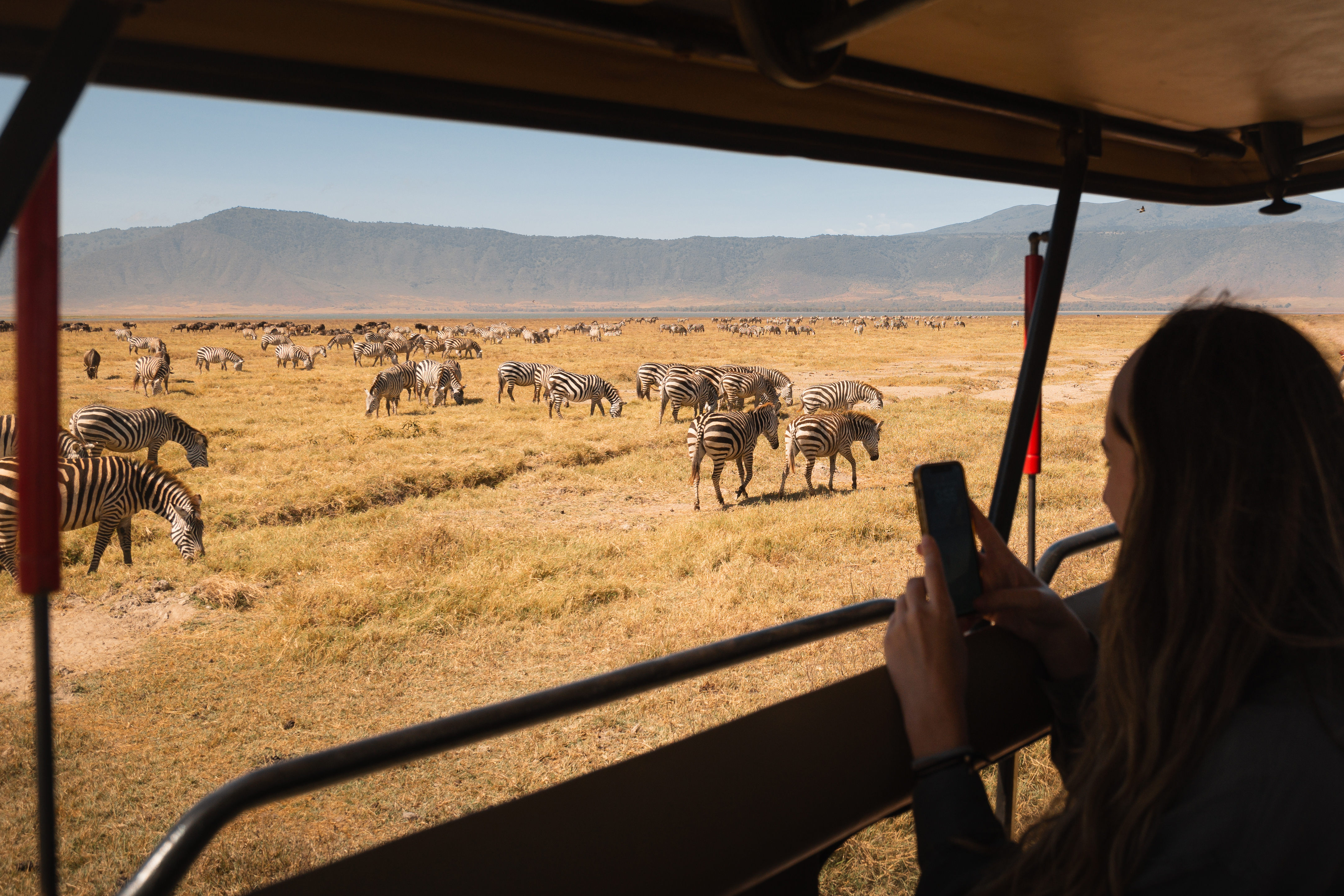
Understanding the distinct contribution of each country to the Kenya and Tanzania safaris experience is the foundation of effective combined itinerary design. Tanzania is the larger and more ecologically diverse of the two safari destinations. Its Serengeti National Park — covering nearly 15,000 square kilometres — anchors the combined experience with a scale and wildlife density that Kenya's Masai Mara, for all its celebrated game viewing, cannot match in terms of sheer geographic grandeur. Ngorongoro Crater adds the geological drama and concentrated wildlife of the world's most extraordinary enclosed ecosystem. Tarangire delivers elephant gatherings of unmatched scale during the dry season. The southern circuit parks of Ruaha and Nyerere provide remote, exclusive wilderness experiences available nowhere else in East Africa.
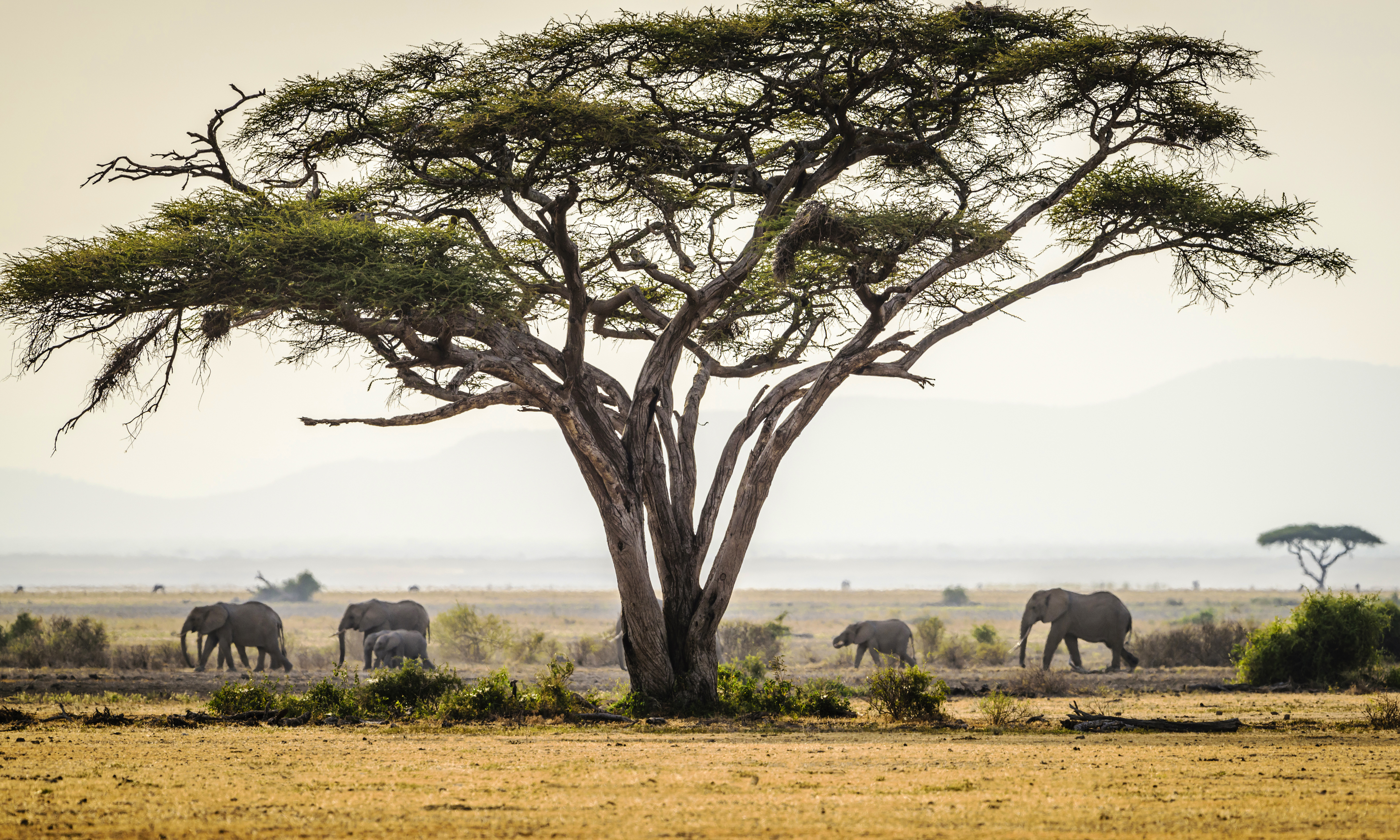
Kenya contributes a fundamentally different but equally essential dimension to the combined safari experience. The Masai Mara's private conservancies — Olare Motorogi, Naboisho, Mara North, Ol Kinyei, and others — deliver a quality of exclusivity and activity breadth that Tanzania's national parks cannot consistently provide: off-road driving in exclusive territory, night game drives in the African darkness, guided walks with Maasai rangers in landscapes where lion, elephant, and buffalo are daily presences. Amboseli National Park provides the iconic Kilimanjaro elephant experience — a visual composition unique in the world of safari photography. Laikipia Plateau adds rhino tracking, wild dog encounters, and horseback safaris in a dramatic highland wilderness that no northern circuit park in either country can replicate. Together, the two countries deliver the full spectrum of East African safari diversity in a single journey.
The Great Migration: The Thread That Connects Both Countries
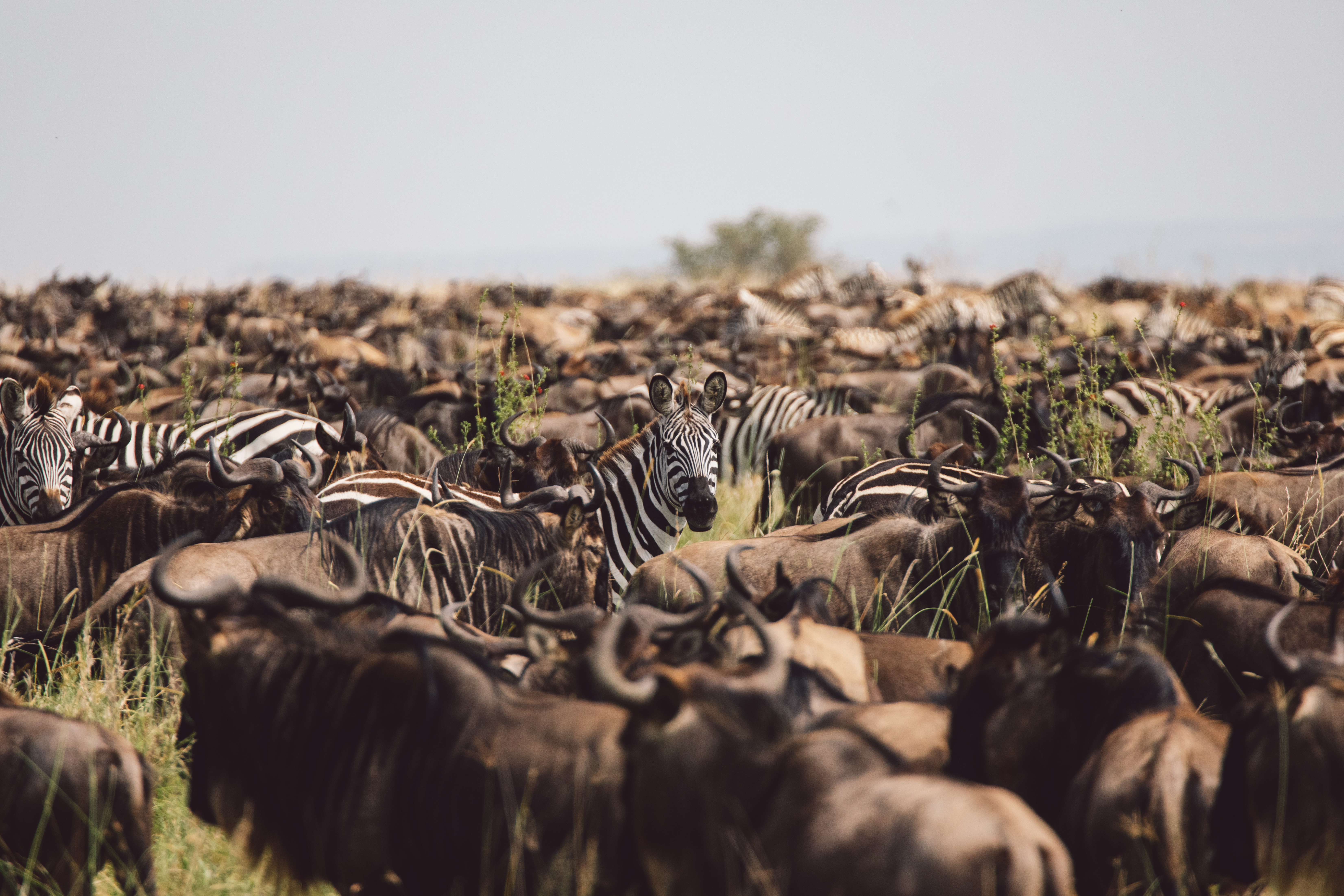
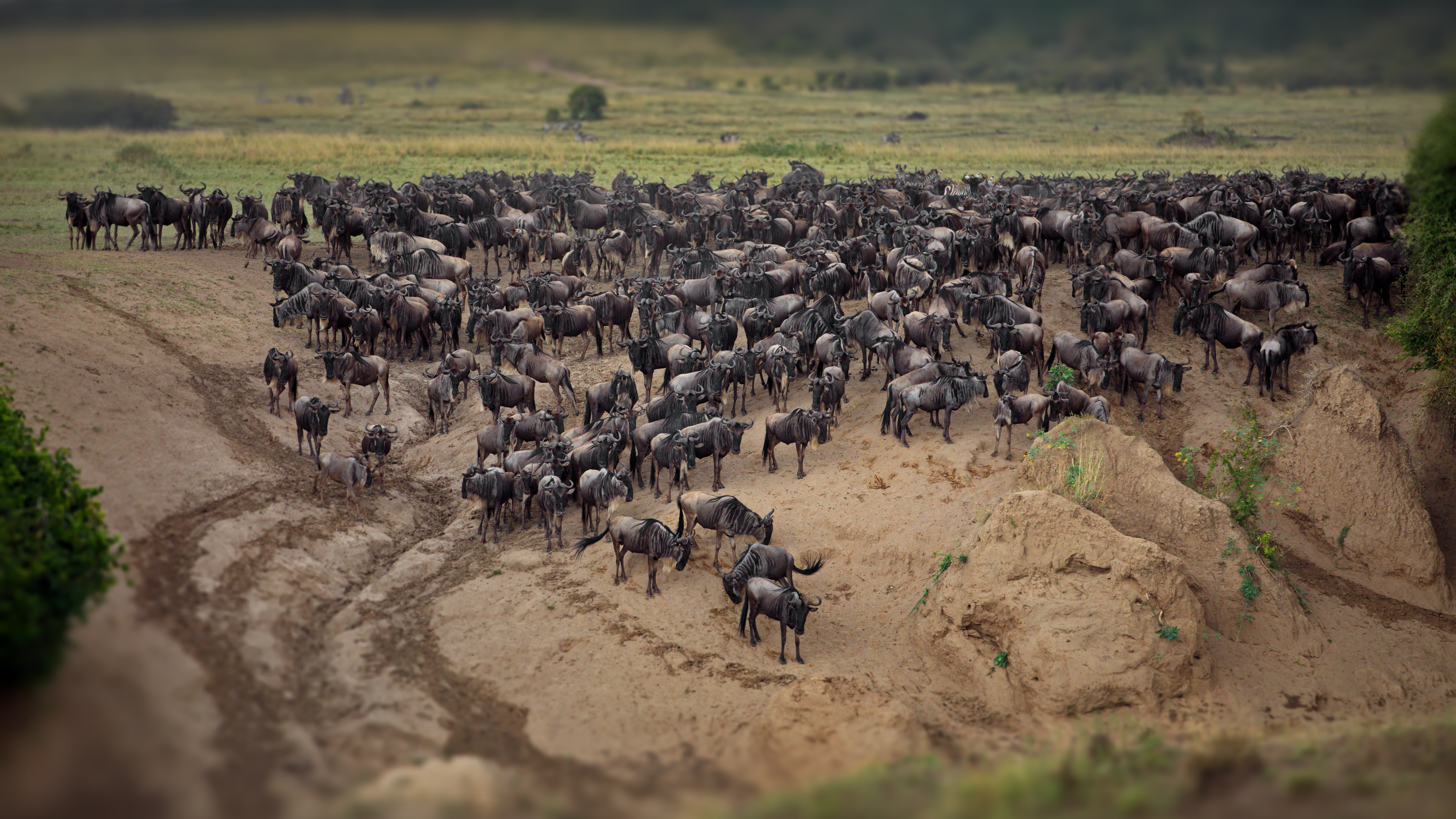
The Great Wildebeest Migration is the experiential thread that most naturally connects Kenya and Tanzania safaris into a coherent narrative — because the migration itself does not recognise the border between the two countries. Over 1.5 million wildebeest, accompanied by hundreds of thousands of zebra and gazelle, follow a year-round circuit driven entirely by rainfall and grass growth across the Serengeti-Mara ecosystem. Understanding the migration's movement between Tanzania and Kenya is not simply useful for timing a combined safari — it is the key to understanding why the combined journey makes more ecological and experiential sense than either country alone.
The migration spends the majority of its annual cycle in Tanzania. From December through March, the calving season concentrates the herds in the southern Serengeti near Ndutu — one of the most intense wildlife spectacles on earth, producing extraordinary predator activity across the open short-grass plains. From April through June, the herds move northward through Tanzania's central and western Serengeti, with the Grumeti River crossings providing the first dramatic water crossing of the cycle in May and June. From July through October, the leading edge of the migration crosses into Kenya's Masai Mara — the Mara River crossings that have defined the global imagery of East African safari travel occur repeatedly across this four-month window, with the herds moving back and forth between Tanzania and Kenya as the Kenyan rains and grass supply dictate. By November, the migration begins its return south toward Tanzania's calving grounds, completing the annual circuit.
Planning the Kenya Component: Key Decisions
Masai Mara vs Private Conservancies
The most important planning decision for the Kenya component of a combined Kenya and Tanzania safari is whether to stay within the Masai Mara National Reserve or in one of the private conservancies surrounding it. The national reserve is an extraordinary wildlife destination — particularly during migration season when the density of game and the frequency of river crossings are at their peak — but it shares those crossings with dozens of other vehicles from multiple operators, and its internal regulations prohibit off-road driving and night game drives. The private conservancies surrounding the reserve operate under an entirely different framework: strictly limited vehicle numbers, off-road driving permitted throughout, night game drives and guided walks available as standard, and a quality of exclusivity and activity breadth that most experienced safari travellers describe as significantly superior to the national reserve experience.
For the luxury traveller planning Kenya and Tanzania safaris, the private conservancy is almost always the correct choice — delivering the Mara ecosystem's extraordinary wildlife in a setting of genuine exclusivity that matches the quality of the best private concession experiences in Tanzania. The finest conservancy camps — intimate properties of eight to twelve tents — are positioned within specific conservancies based on seasonal wildlife movements and provide a level of personalisation and guide attention that larger national reserve lodges cannot match.
Amboseli and Laikipia
The Kenya component of a combined safari benefits enormously from the addition of Amboseli and Laikipia — destinations that provide completely different landscape and wildlife experiences from the Masai Mara and that justify the additional nights they require. Amboseli's elephant herds, framed by the snow-capped summit of Kilimanjaro in the early morning before cloud builds, produce the most iconic single image available in East African safari photography — and the intimacy of elephant observation in Amboseli, where the families have been habituated to vehicles for generations, is unmatched anywhere in Kenya or Tanzania. Laikipia's black and white rhino populations, wild dog sightings, and dramatic highland scenery add a dimension of wildlife diversity and landscape beauty that the Mara ecosystem cannot provide.
Planning the Tanzania Component: Key Decisions
Which Circuit — North, South, or Both?
The Tanzania component of combined Kenya and Tanzania safaris is typically built around the northern circuit — the Serengeti, Ngorongoro, and Tarangire — because these parks are most logistically connected to each other and to the Kenyan crossing point, and because they deliver the broadest range of iconic Tanzania safari experiences within a concentrated geography. For the traveller with fourteen nights or more in Tanzania, the southern circuit — Ruaha or Nyerere, or both — can be added to the northern component, creating a comprehensive Tanzania experience that covers the full range of the country's ecological diversity before the Kenyan chapter begins.
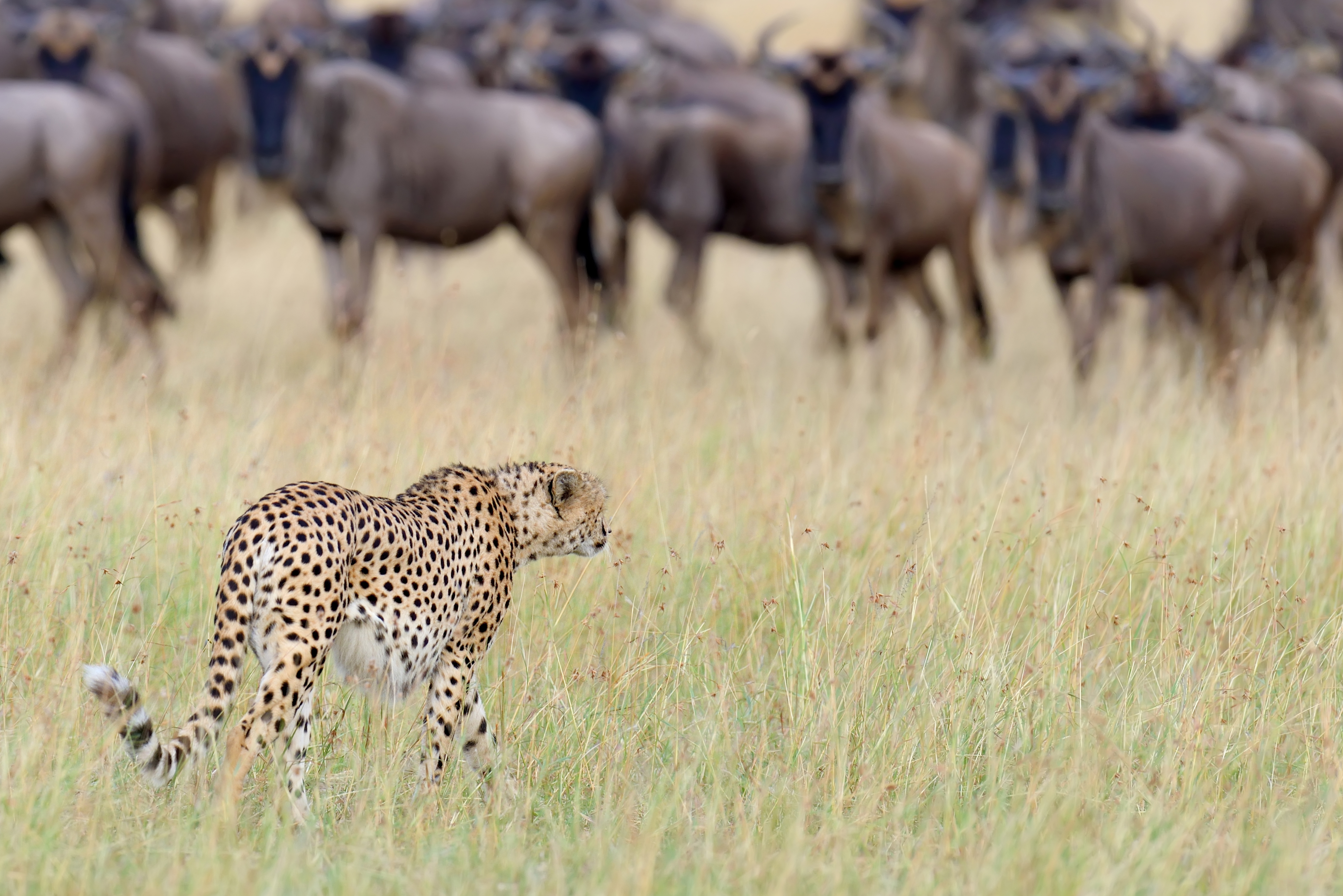
The specific zone of the Serengeti selected for the Tanzania component is determined entirely by the season of travel — this is the most consequential single positioning decision in the entire combined itinerary planning process. Northern Serengeti camps in the Lamai Wedge area for the Mara crossing period between July and October. Southern Serengeti and Ndutu area camps for the calving season between December and March. Central Serengeti camps for year-round leopard and resident big cat viewing. The wrong zone for the season produces a significantly inferior experience regardless of camp quality, and a specialist operator who understands this positioning logic is the most important planning asset available for the Tanzania component.
How Many Nights in Tanzania?
For a combined Kenya and Tanzania safari, the Tanzania component should receive the greater allocation of nights — not because Tanzania is superior to Kenya, but because it is the larger and more ecologically diverse destination and rewards additional time more generously. A twelve-night combined journey allocating seven nights to Tanzania (three Serengeti, two Ngorongoro, two Tarangire) and five nights to Kenya (four Mara conservancy, one Amboseli) produces a well-balanced combined experience in which both countries are given meaningful time. A sixteen-night journey might allocate nine or ten nights to Tanzania — adding Ruaha or the calving season extension — and six or seven nights to Kenya, including Laikipia alongside the Mara. The Zanzibar beach extension, most naturally appended to the Tanzanian portion, adds four to five additional nights as the journey's restorative conclusion.
For detailed day-by-day itinerary frameworks across different time windows for the Tanzania component, our all inclusive tanzania safari guide provides complete itinerary structures with camp recommendations and seasonal positioning guidance for every major time window from seven to fourteen nights.
The Best Itinerary Structures for Kenya and Tanzania Safaris
The 12-Night Combined Itinerary
A twelve-night Kenya and Tanzania safari — the minimum recommended duration for a genuinely meaningful combined experience — works most effectively when structured around three Tanzania parks and two Kenya destinations. Days one and two: arrive Kilimanjaro, one night Arusha, charter to Tarangire for two nights among the elephants and baobabs. Days three through five: charter to the Serengeti for three nights in the optimal seasonal zone. Days six and seven: charter to Ngorongoro for two nights at the crater rim. Days eight through eleven: charter north to Kenya's Masai Mara conservancy for four nights of exclusive game drives, night drives, and guided walks. Day twelve: charter to Amboseli for one night with the Kilimanjaro elephants before returning to Nairobi for the international connection home. This structure delivers the complete northern circuit experience in Tanzania followed by the Mara conservancy and Amboseli in Kenya — a coherent, geographically logical journey with no backtracking.
The 16-Night Comprehensive Itinerary
A sixteen-night combined itinerary unlocks the full range of both countries, incorporating the southern Tanzania circuit alongside the northern and adding Laikipia to the Kenya component. Days one through four: Serengeti four nights. Days five and six: Ngorongoro two nights. Days seven and eight: Tarangire two nights. Days nine through twelve: charter south to Ruaha for four nights in Tanzania's remote southern wilderness. Days thirteen through fifteen: charter north to Kenya's Masai Mara conservancy for three nights. Day sixteen: Amboseli one night before international departure from Nairobi or Kilimanjaro. A Zanzibar extension of four to five nights can be inserted after Ngorongoro and before Ruaha — or appended to the conclusion — without disrupting the itinerary's geographic logic.
Crossing the Border: Logistics for Kenya and Tanzania Safaris
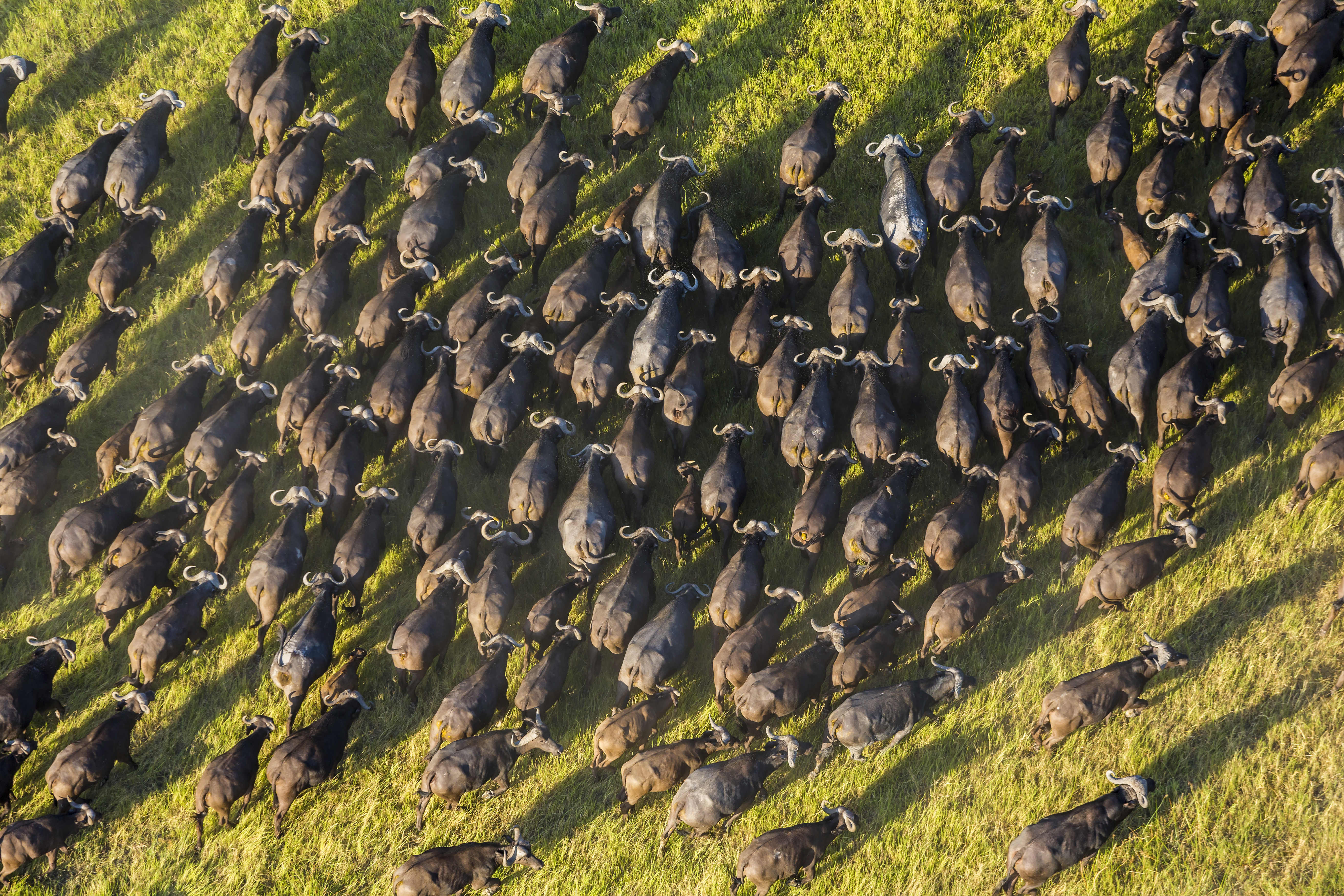
The border crossing between Tanzania and Kenya on a combined safari is managed entirely by charter flight for luxury travellers — the standard approach involves a light aircraft flight from the final Tanzanian airstrip to one of the Masai Mara conservancy's private bush airstrips, a journey of approximately forty-five minutes to one hour depending on the departure point. This eliminates the ground border crossing entirely — no queuing, no processing, no bureaucratic friction — and is coordinated by the safari operator as part of the integrated itinerary. The air crossing is one of the most logistically elegant transitions in luxury travel, and its seamlessness is part of what makes the combined Kenya and Tanzania safari experience feel so effortless from the traveller's perspective.
Both countries require separate visas or entry authorisations. Tanzania requires an online e-visa available through the government immigration portal, typically processed within three to five business days. Kenya requires an Electronic Travel Authorisation for most nationalities, similarly available online. Both should be applied for before departure — the safari operator should provide specific guidance on current requirements for the specific passport nationality of each traveller, as East African immigration arrangements are periodically updated. US dollars are the operating currency at all luxury camps throughout both Tanzania and Kenya, and the entire combined journey can be conducted without any local currency exchange at the camp level.
Our step-by-step guide to how to book a safari in tanzania covers the full booking process for the Tanzania component of a combined journey — including visa applications, health preparation, luggage logistics, and the charter flight coordination that connects the Tanzania and Kenya chapters of the itinerary.
Health and Practical Preparation for Kenya and Tanzania Safaris
Health preparation for combined Kenya and Tanzania safaris follows the same framework as for a Tanzania-only safari, with a few additional considerations specific to the Kenyan parks. Malaria prophylaxis is strongly recommended for all safari destinations in both countries — a travel medicine physician should be consulted at least six weeks before departure to determine the most appropriate prophylactic for the specific itinerary and health profile. Yellow fever vaccination is required for some nationalities depending on the countries visited prior to Tanzania — confirm requirements with a travel medicine specialist before booking.
The luggage restriction that applies to Tanzania's domestic charter flights — fifteen kilograms per person in soft-sided bags — applies equally to Kenyan charter flights between parks and to the cross-border charter connection. Travellers on combined Kenya and Tanzania safaris should pack with this limit in mind throughout, using a single soft duffel of appropriate size for the entire safari circuit and packing any items not needed on the wildlife circuit (beach clothing for Zanzibar, smart casual for urban hotels) in a separate bag that can be stored at the first gateway city and collected on departure. This approach keeps the flying bag within limits without requiring any sacrifice of safari essentials.
Planning your Tanzania safari starts with the right operator. Whether you are planning kenya and tanzania safaris or ready to commit to dates, our team at Sokwe Africa Safaris is here to help. Get a personalised quote built around your budget, travel style, and preferred parks. You can also explore our all inclusive tanzania safari packages, read our complete tanzania safari cost guide, or learn exactly how to book a safari in tanzania before making any decisions.
Explore our all inclusive tanzania safari packages, read our complete tanzania safari cost guide, or learn exactly how to book a safari in tanzania before making any decisions.
Begin planning your combined Kenya and Tanzania safari on our luxury tanzania safari page — where specialists with first-hand knowledge of both countries design seamless combined itineraries with the seasonal intelligence and camp expertise that exceptional East Africa journeys require.
For the complete experience combining the finest Kenya and Tanzania safari destinations with the Indian Ocean's most beautiful island, explore our tanzania safari and zanzibar packages — the definitive three-part East Africa journey.
For authoritative information on Tanzania's national parks and current conservation area conditions, visit the Tanzania National Parks Authority. For wildlife conservation research and field reporting across Kenya and Tanzania's shared Mara-Serengeti ecosystem, the African Wildlife Foundation provides comprehensive current information.
Planning Kenya and Tanzania safaris together is not simply the addition of one country to another — it is the recognition that the Mara and the Serengeti are one ecosystem, that the migration does not pause at the border, and that the full story of East African wildlife requires both landscapes to be told. The traveller who commits to both countries returns with a journey that feels, in retrospect, not like two destinations visited back to back but like a single, magnificent coherent experience.
- Tanzania provides the scale and ecological depth — Serengeti, Ngorongoro, Tarangire, Ruaha, and Nyerere across north and south circuits
- Kenya provides conservancy exclusivity — off-road driving, night drives, and walking unavailable in Tanzania's national parks
- The Great Migration is the narrative thread connecting both countries — calving in Tanzania, crossings in Kenya
- Twelve nights minimum for a meaningful combined experience — sixteen nights for the comprehensive north, south and Mara itinerary
- Cross the border by charter flight — forty-five minutes from the Serengeti to the Mara conservancy airstrips
- Tanzania's northern circuit forms the foundation — allocate the majority of nights here for maximum ecological diversity
- Kenya's private conservancies deliver the most exclusive Mara experience — choose conservancy over national reserve
- Amboseli adds the Kilimanjaro elephant experience that neither the Serengeti nor the Mara can replicate
- Both countries operate entirely in US dollars at luxury camps — no currency exchange required
- Separate visas required for each country — apply for both online before departure
FAQs: Kenya and Tanzania Safaris
Should I visit Kenya or Tanzania first on a combined safari? Most combined itineraries begin in Tanzania and cross into Kenya for the final chapter — this sequence follows the northward movement of the wildebeest migration during peak season and creates a natural geographic flow from the Serengeti ecosystem into the Masai Mara. Beginning in Kenya and ending in Tanzania also works logistically, and may suit travellers who prefer to conclude in Zanzibar — which is most naturally accessed from Tanzania's mainland airports.
How long should a combined Kenya and Tanzania safari be? A minimum of twelve nights is recommended for a combined experience that does justice to both countries. Sixteen nights or more allows for the southern Tanzania circuit alongside the northern, and the addition of Laikipia or Amboseli in Kenya beyond the Masai Mara. Shorter combined itineraries of eight to ten nights are possible but inevitably require compromises on the depth of experience in each destination.
What is the best time of year for Kenya and Tanzania safaris? July through October is the peak combined season — the northern Serengeti delivers migration river crossings from July, and Kenya's Masai Mara continues the crossings through October as the herds move back and forth across the border. January and February are exceptional for Tanzania's calving season combined with quieter, more affordable Mara conditions. The best timing depends on the specific wildlife experiences being prioritised and the budget available.
How do I cross from Tanzania to Kenya on a safari? The standard approach for luxury travellers is a light aircraft charter from the last Tanzanian airstrip to one of the Masai Mara conservancy's private bush airstrips — a flight of approximately forty-five to sixty minutes that eliminates the ground border crossing entirely. This connection is coordinated by the safari operator as part of the integrated combined itinerary and is one of the most logistically seamless transitions in luxury travel.
Do I need different visas for Kenya and Tanzania? Yes. Tanzania requires a separate e-visa available online through the government immigration portal. Kenya requires an Electronic Travel Authorisation for most nationalities, also available online before travel. Both should be confirmed and applied for well before departure. A specialist operator will provide specific guidance on the requirements for your nationality at the time of booking.
What does a combined Kenya and Tanzania safari cost in 2026? A combined luxury safari of twelve nights covering Tanzania's northern circuit and Kenya's Masai Mara conservancy, inclusive of international business class flights, domestic and cross-border charters, all inclusive camp rates, and a Zanzibar extension, typically requires a budget of $22,000 to $38,000 per person. A comprehensive sixteen-night itinerary including the southern Tanzania circuit and Laikipia in Kenya ranges from $35,000 to $55,000 per person inclusive of all travel.
Can I add Zanzibar to a combined Kenya and Tanzania safari? Absolutely — and it is strongly recommended. Zanzibar is most naturally inserted after the Tanzania safari component and before the Kenya component, or appended as the journey's final chapter after returning from Kenya. A light aircraft connection from any mainland Tanzania airstrip to Zanzibar takes approximately one hour and is coordinated by the operator as part of the integrated itinerary. Four to five nights in Zanzibar provide the restorative beach conclusion that completes the East Africa experience.