
Why Bush and Beach Is the Perfect Travel Formula
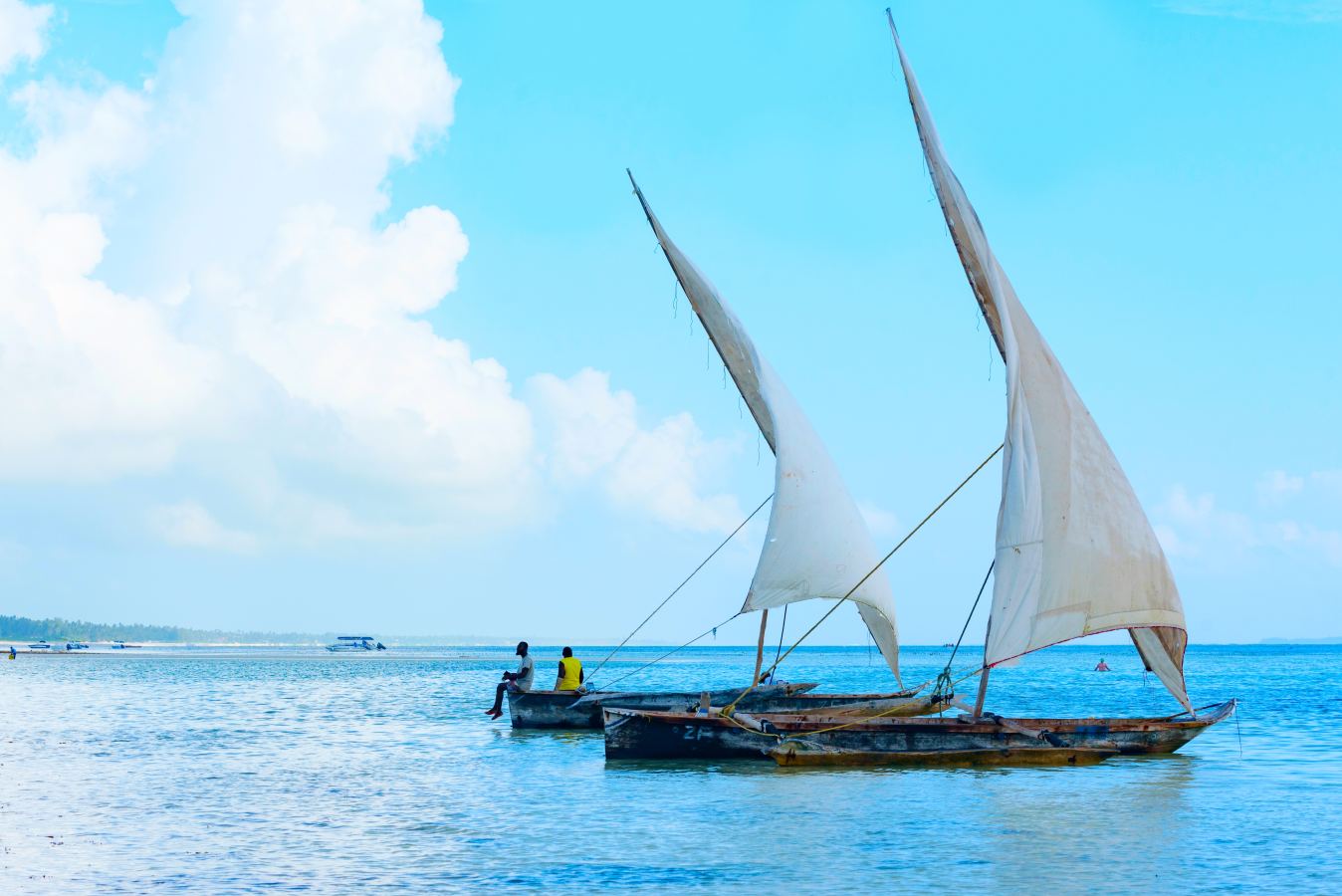
There is a logic to combining a Tanzania safari with Zanzibar that goes beyond the practical convenience of both destinations being in the same country. It is a logic of contrast and completion. After days in the Serengeti — waking before dawn, sitting alert on open game drive vehicles, absorbing the intensity and drama of the wild — the human mind genuinely needs a transition. Arriving on Zanzibar's white-sand coastline, watching dhow boats sail across a sunset-painted Indian Ocean, and hearing nothing but waves and wind is not an indulgence. It is the natural counterpart to the bush experience, and it makes both halves of the journey richer by comparison.
A Zanzibar and safari combination is also the most logistically natural way to see Tanzania. Zanzibar is served by daily domestic flights from Arusha, and most international guests route home through Zanzibar's international airport, meaning the beach extension adds no additional long-haul travel. You are simply using the final days of your Tanzania visit to experience a completely different dimension of an extraordinary country — one that is as rich in history, culture, and natural beauty above the waterline as it is below it.
Zanzibar: More Than a Beach
Many travellers arrive in Zanzibar expecting a simple beach resort experience and leave astonished by the depth of what the island offers beyond the shoreline. Zanzibar — or more precisely Unguja, the main island in the Zanzibar Archipelago — is a place of extraordinary historical complexity. For centuries it was the hub of the Indian Ocean spice trade, a meeting point of Arab, Persian, Indian, Portuguese, Swahili, and later British influences, and the de facto capital of a maritime empire that stretched from Oman to the East African coast.
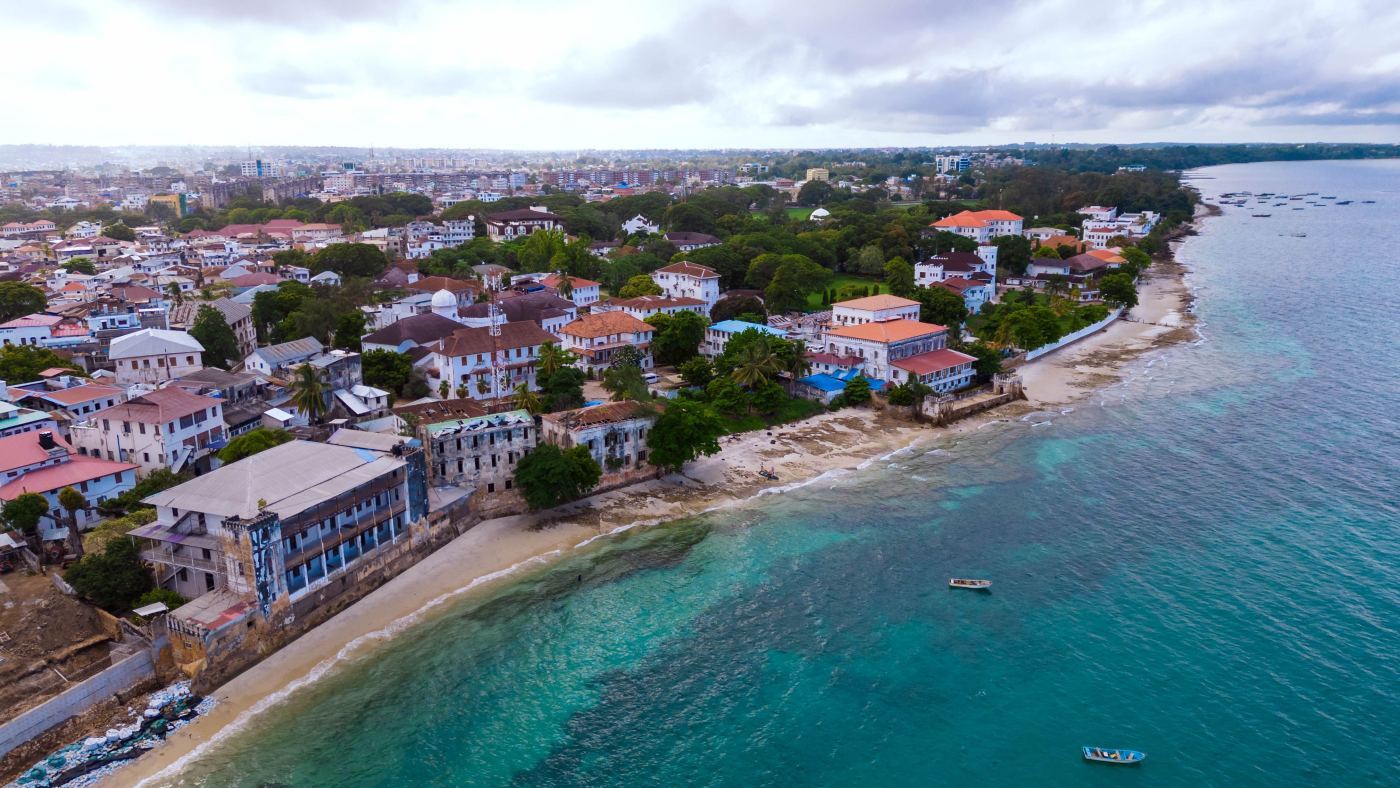
Stone Town, Zanzibar's capital and a UNESCO World Heritage Site, contains some of the most architecturally significant streetscapes in sub-Saharan Africa. The narrow alleys wind between carved wooden doorways that are among the finest examples of Islamic and Indian decorative craftsmanship in the world, past the old slave market (now an Anglican cathedral), the sultan's palace, and the waterfront where dhow captains have traded for a thousand years. A half-day walking tour of Stone Town with a knowledgeable guide is one of the most rewarding cultural experiences available anywhere in East Africa, and it is a perfect counterpoint to the wilderness immersion of the safari.
The Beaches: Where to Stay on Zanzibar
Zanzibar's beaches vary significantly by location, and choosing the right area depends on the time of year and what you are looking for. The north coast beaches — Nungwi and Kendwa — are the most consistently swimmable, benefiting from calmer seas year-round and stunning white sand that slopes gently into warm, crystal-clear water. Nungwi has a vibrant village atmosphere with excellent restaurants and beach bars; Kendwa is slightly quieter and more resort-focused. Both are approximately 45 minutes to an hour from Stone Town by road.
The east coast — particularly Paje and Jambiani — offers the most spectacular beach aesthetics: vast, flat white sand exposed at low tide, bright turquoise shallows, and the dramatic contrast of the deep blue Indian Ocean beyond the reef. The east coast is also the centre of Zanzibar's world-class kitesurfing scene, and the consistent south-east trade winds from June to October make it the destination of choice for kitesurfers from around the world. However, the east coast has a more pronounced tidal range, meaning that during low tide the water can recede significantly, making swimming impractical for part of the day.
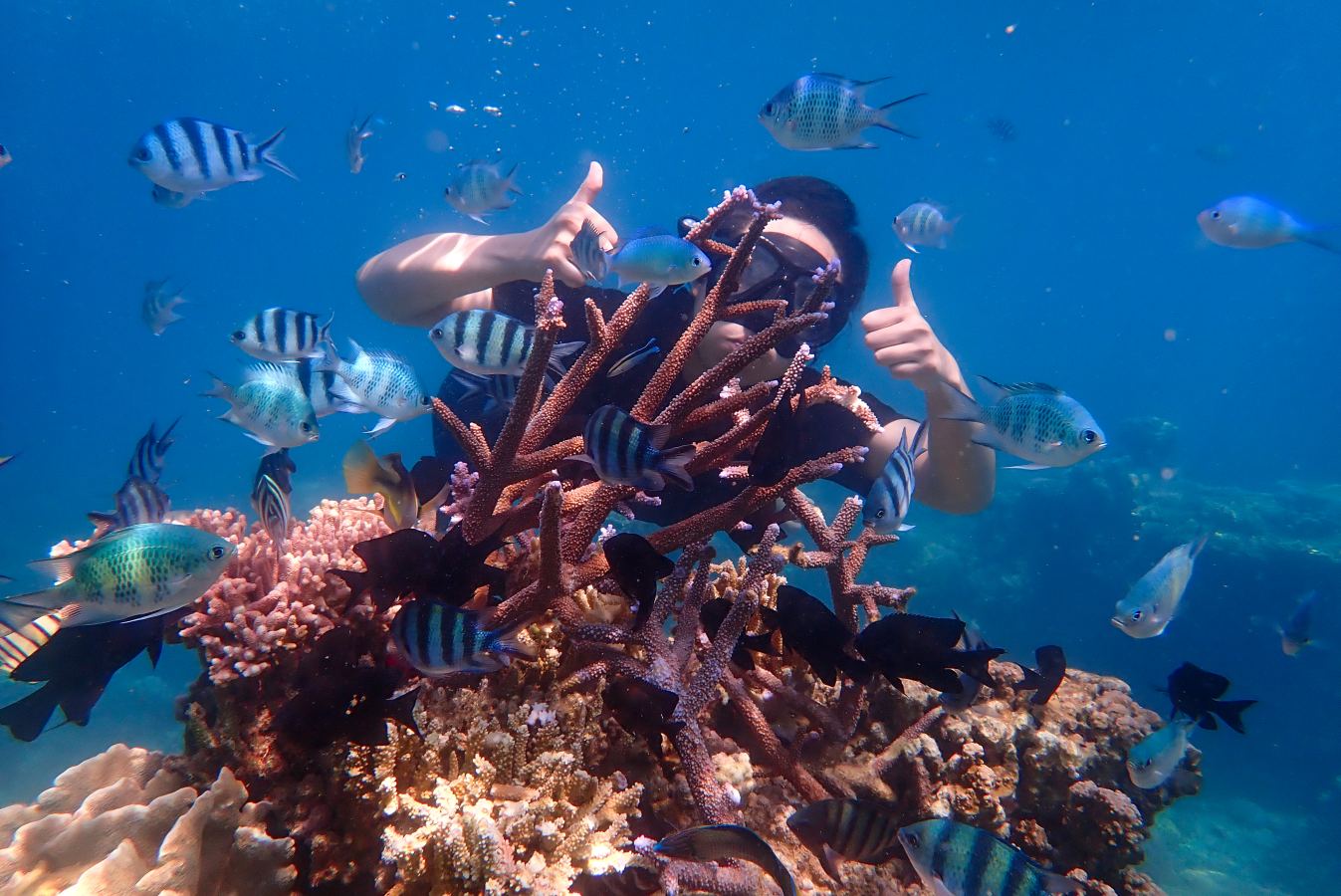
For the most exclusive beach experience on Zanzibar, the private islands and boutique lodges of the archipelago's outer islands — Mnemba Island, Chumbe Island, and Pemba to the north — offer extraordinary privacy, pristine coral reef snorkelling and diving, and an atmosphere of total seclusion that perfectly mirrors the exclusivity of a luxury safari camp. These private island options are particularly recommended for couples celebrating a honeymoon or significant anniversary, where the transition from Serengeti wilderness to Indian Ocean paradise creates a journey of genuinely rare beauty.
How to Structure the Zanzibar and Safari Combination
The most popular and practical structure for a Zanzibar and safari combination with Sokwe Africa Safaris is a seven to ten-day safari in the national parks followed by three to five days on Zanzibar. The internal flight from Arusha or the Serengeti's bush airstrips to Zanzibar takes approximately one hour, making the transition seamless. Most guests arrive on Zanzibar in the early afternoon, check in to their beachside accommodation, and are swimming in the ocean before sunset on the first day.
For the safari component, the ten-day itinerary described elsewhere in our journal — covering Tarangire, Ngorongoro, and the Serengeti — combines perfectly with three days on Zanzibar's north coast for a total journey of thirteen days. This is the Sokwe Africa Safaris signature combination itinerary, and it is consistently the experience that our guests describe as the most complete travel experience of their lives. The transition from the vast, wild, gold and ochre Serengeti to the turquoise, white, and emerald of Zanzibar is one of the most beautiful contrasts in all of travel.
The Zanzibar Spice Tour: A Sensory Journey
No visit to Zanzibar is complete without a spice tour through the island's productive interior plantations. Zanzibar earned its historical nickname — the Spice Island — through its role as the world's primary source of cloves and a major producer of cinnamon, vanilla, nutmeg, pepper, cardamom, and turmeric. A morning spice tour through a working plantation, guided by a local farmer who grew up in the industry, is an extraordinary sensory experience — smelling and tasting each spice at its source, learning the history of its cultivation, and understanding how the spice trade shaped the entire Indian Ocean world.
A Zanzibar and safari combination represents the complete Tanzania experience: the ancient drama of the wild, the profound intimacy of the bush, the cultural depth of a Swahili island civilisation, and the simple, restorative pleasure of the Indian Ocean. These elements do not compete with each other — they complete each other. At Sokwe Africa Safaris, we have been designing this combination for years, and we have never had a guest tell us they wished they had chosen one over the other.
The Serengeti fills you with wonder at what the world was. Zanzibar fills you with gratitude for what it still is.
- 3-5 days Zanzibar follows a 7-10 day safari perfectly
- Stone Town UNESCO World Heritage Site: half-day cultural tour
- North coast: Nungwi and Kendwa for best year-round swimming
- East coast: Paje and Jambiani for kitesurfing and spectacular tidal flats
- Private islands: Mnemba, Chumbe for ultimate exclusivity
- Spice tour: full sensory experience through working plantations