
Why Tanzania Is the Perfect Safari for UK Travellers
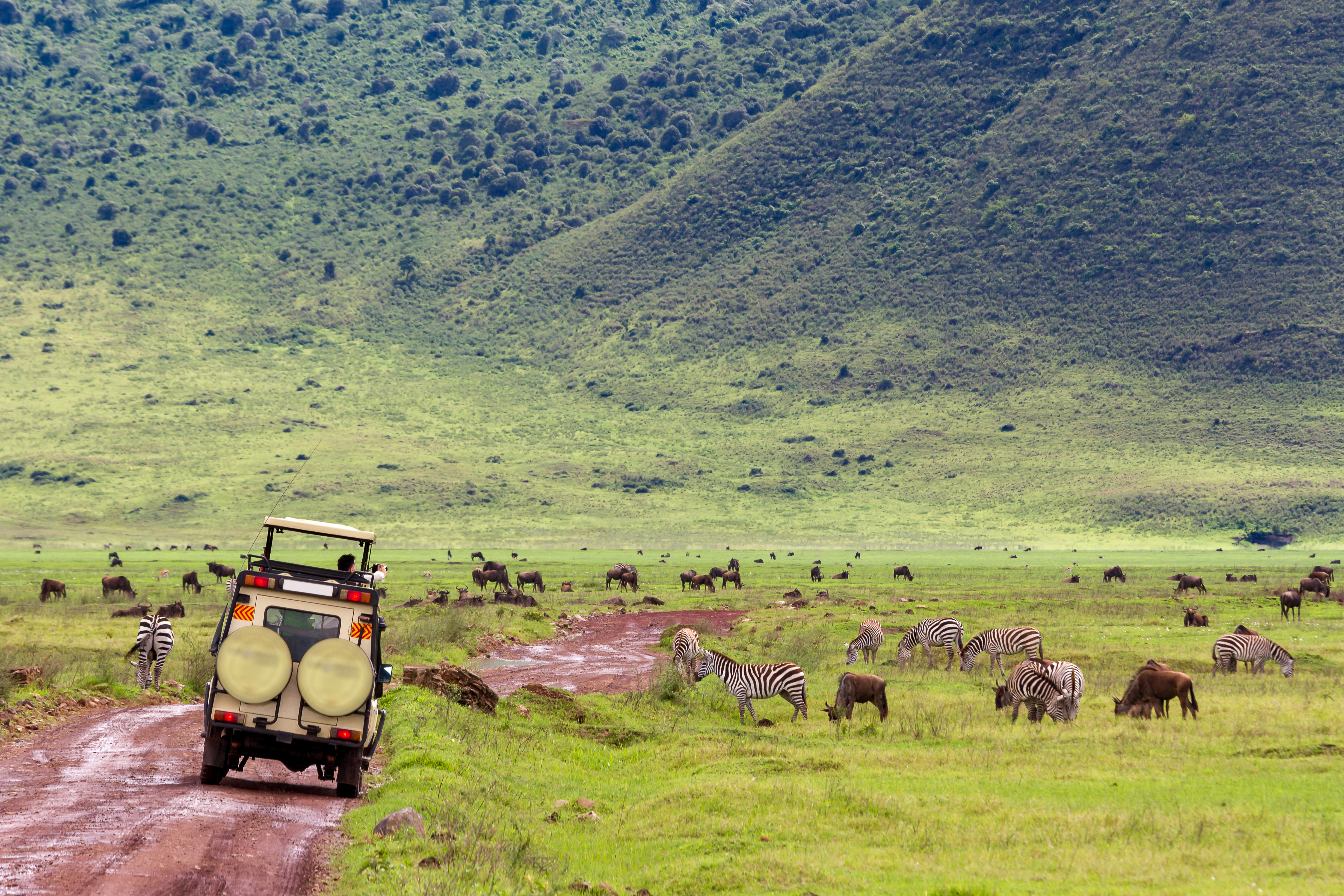
For British travellers dreaming of an African safari, Tanzania offers a rare and remarkable combination: the greatest wildlife spectacle on Earth, vast and genuinely wild landscapes, and a surprising ease of access from the United Kingdom. This is the country of the Serengeti and the Great Migration, of the Ngorongoro Crater and its 25,000 resident animals, of elephant-filled Tarangire and the spice-scented beaches of Zanzibar. For a once-in-a-lifetime journey — or for the seasoned traveller returning again and again — few destinations reward the long flight quite so completely.
Tanzania is also reassuringly straightforward for UK visitors. English is widely spoken throughout the safari industry, the country has decades of experience welcoming British guests, and the northern safari circuit is among the most established and well-run in all of Africa. What follows is a complete, honest guide to planning your Tanzania safari from the UK in 2026 — the flights, the timing, the real costs in pounds, and the practical details that make the difference between a good trip and an unforgettable one.
Getting There: Flights from the UK to Tanzania
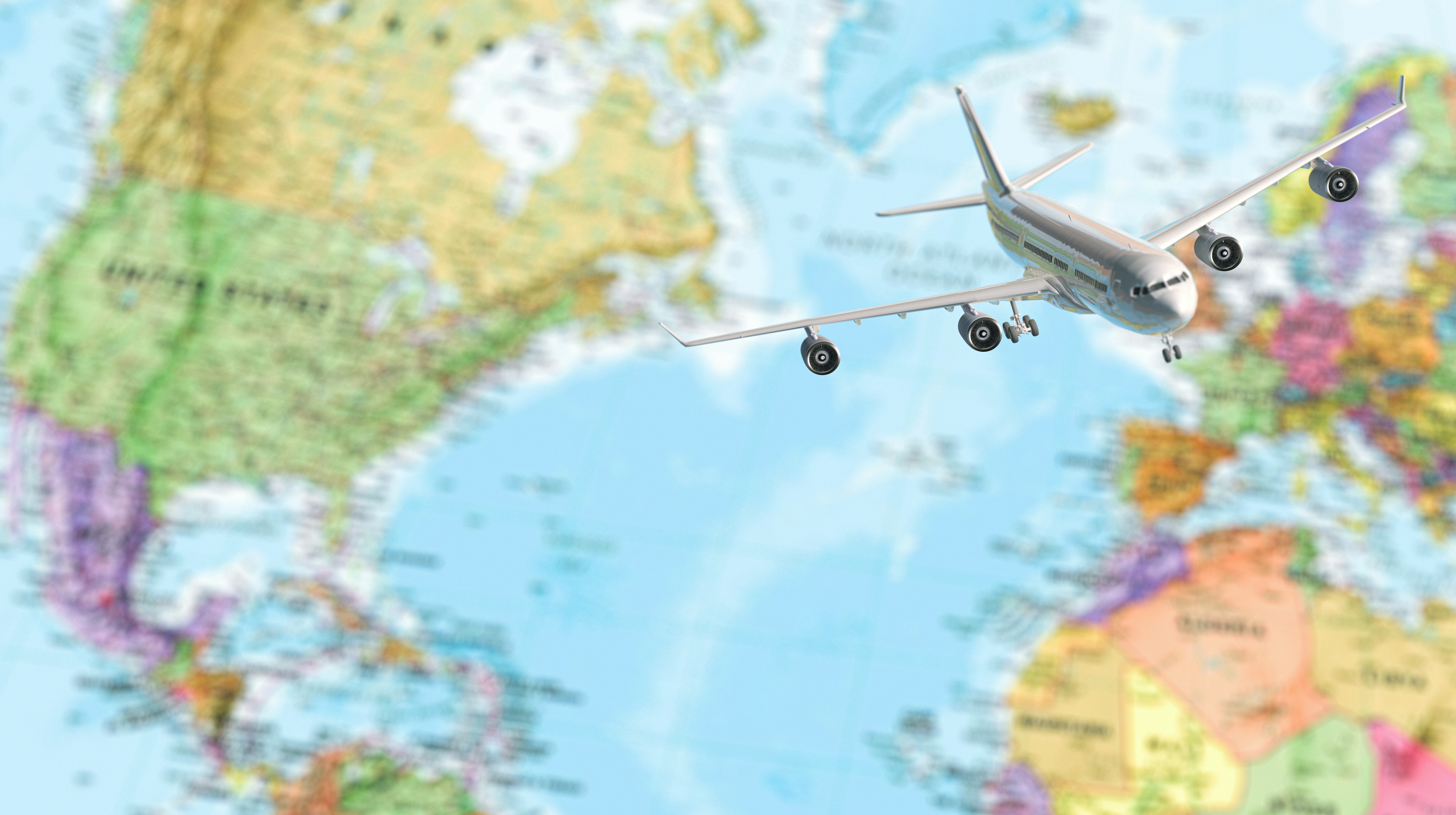
There are currently no direct flights between the UK and northern Tanzania, but the one-stop connections are excellent and frequent. Most safari travellers fly into Kilimanjaro International Airport (airport code JRO), the gateway to the northern parks, rather than Dar es Salaam. The most popular routings from London are with KLM via Amsterdam, Qatar Airways via Doha, Kenya Airways via Nairobi, Ethiopian Airlines via Addis Ababa, and Emirates or Qatar via the Gulf. Total journey time is typically twelve to fourteen hours including the connection.
The most comfortable option for many UK guests is an evening departure from London that connects overnight and arrives at Kilimanjaro the following morning or midday, leaving you fresh to begin the drive to your first camp. We routinely arrange these flights as part of a complete package, holding seats alongside your itinerary so the logistics are seamless and your arrival is met by your private guide.
The Jet Lag Advantage Nobody Mentions
Here is something most UK travellers do not realise until they arrive: Tanzania runs on East Africa Time, just two to three hours ahead of the United Kingdom depending on the season. Unlike a long-haul trip to the Americas, the Far East, or Australia, there is virtually no jet lag to recover from. You step off the aircraft, drive into the bush, and your body clock barely notices the difference. It means your very first morning game drive is enjoyed wide awake — and your last days are not lost to exhaustion. For a holiday measured in precious days, this is a genuine and underrated advantage of choosing Tanzania over more distant safari destinations.
The Best Time to Travel from the UK
The classic dry season runs from June to October and conveniently coincides with the UK summer and school holidays. This is peak game-viewing: vegetation is sparse, wildlife concentrates around water, and the dramatic Great Migration river crossings unfold in the northern Serengeti between roughly July and September. It is the most popular window for British families and the reason early booking is essential, often nine to twelve months ahead for the finest camps.
The green season, from November to March, is Tanzania's best-kept secret for UK travellers — and a glorious escape from the British winter. The landscapes are lush, newborn animals fill the southern Serengeti during the calving season of January and February, predator action is superb, the crowds thin out, and rates soften considerably. A short afternoon shower is a small price for emerald plains and dramatic skies. For couples, photographers, and anyone seeking value and space, the green season is wonderful.
What a Tanzania Safari Costs from the UK (in Pounds)
Honesty matters here, because safari pricing is often opaque. As a guide, a well-appointed mid-luxury safari of seven to ten days typically costs from around £3,500 to £5,000 per person for the land arrangements — that is your guide, vehicle, park fees, full board, and quality lodges and tented camps. Top-tier luxury, with exclusive-use camps, private guiding, and internal bush flights, generally runs from £6,000 to £9,000 or more per person. International flights from the UK usually add £600 to £1,200 return depending on season and how far ahead you book.
The biggest factors that move the price are the season you travel, the style of accommodation, whether you take a private vehicle and guide rather than sharing, and how many internal flights your itinerary requires. Rather than quote a misleading headline figure, we build every costing around your specific dates, party, and wishes — and we are always happy to show you exactly where every pound is spent.
Visas, Health and Practical Details for UK Citizens
UK passport holders require a visa to enter Tanzania, most easily obtained as an e-visa online before you travel. A single-entry tourist visa costs approximately fifty US dollars and should be applied for at least two to three weeks ahead. Your passport must be valid for at least six months beyond your date of entry, with blank pages for stamps.
On health, consult your GP or a travel clinic about antimalarial medication, as the safari areas are malarial. A yellow fever certificate is only required if you are arriving from, or have recently transited through, a country with risk of yellow fever transmission — it is not required for travellers coming directly from the UK. Comprehensive travel insurance that covers safari activities and medical evacuation is essential, and we are glad to advise on suitable cover.
Ready to start planning? Explore our luxury Tanzania safari collection, or design a fully bespoke private Tanzania safari with your own dedicated guide and vehicle.
Travelling from across the Atlantic as well? See our companion guide to a Tanzania safari from the USA, or browse all of our safari packages.
A Sample 8-Day Itinerary for UK Travellers
A first Tanzania safari from the UK fits beautifully into eight days, making the most of an overnight flight at each end so you use your annual leave efficiently. The northern circuit — Tarangire, Ngorongoro, and the Serengeti — delivers the full breadth of Tanzania's wildlife in a comfortable, well-paced journey that minimises long drives and maximises time in the best areas.
- Day 1: Overnight flight from London
- Day 2: Arrive Kilimanjaro, transfer to a lodge near Arusha
- Days 3 to 4: Tarangire National Park and Lake Manyara
- Day 5: Descend into the Ngorongoro Crater
- Days 6 to 7: Central Serengeti game drives
- Day 8: Morning flight Serengeti to Kilimanjaro, evening flight home to London
Why Book with an Arusha-Based Specialist
It is tempting to book through a large UK-based agent, but the most rewarding Tanzania safaris are almost always arranged with a specialist operator on the ground. As an Arusha-based company, we know every camp personally, we monitor the migration and the weather day by day, and our own team meets you at the airport and supports you around the clock. There is no middleman markup and no call centre — only people who live and breathe Tanzania and who will craft your journey with genuine care. That local expertise is the single greatest factor in the quality of your safari.
A great safari is not booked from a brochure — it is crafted by people who know every camp, every season, and every road in the country you are about to fall in love with.
Before you travel, UK citizens can review the latest official guidance via the FCDO travel advice for Tanzania.