
How Much Does a Tanzania Safari Cost in 2025?
Planning a Tanzania safari is one of the most exciting decisions you will ever make — and one of the most important financial ones. Understanding Tanzania safari cost in 2025 requires looking at the full picture: accommodation, park fees, internal flights, guides, meals, and the little extras that make the difference between a good safari and an unforgettable one. At Sokwe Africa Safaris, we help hundreds of travellers every year understand exactly what they are paying for and why every dollar invested delivers extraordinary value in the African bush.
The broad answer to Tanzania safari cost in 2025 is this: a budget safari will run from $150 to $300 per person per day, a mid-range safari sits between $300 and $600 per person per day, and a luxury safari starts at $700 and can reach $2,500 per person per night at the very top end. These figures are not arbitrary — they reflect real differences in guide quality, camp location, vehicle exclusivity, and the depth of experience you will have in the field. Understanding what sits inside each price bracket is the key to making the right decision for your travel style and budget.
Breaking Down the Main Components of Tanzania Safari Cost
The total cost of a Tanzania safari is made up of several distinct components, each of which contributes to the overall experience in a different way. The first and most significant is accommodation. In Tanzania, safari accommodation ranges from basic tented campsites with shared facilities to ultra-luxury lodges with private plunge pools overlooking the Serengeti plains. The accommodation you choose will be the single largest driver of your total safari cost, so it is worth spending time understanding the difference between categories before you commit to a budget.
Park and conservation fees are the second major cost component and one that many first-time safari planners overlook entirely. Tanzania's national parks charge daily fees that apply to every visitor regardless of accommodation level. The Serengeti National Park charges approximately $70 per adult per day. The Ngorongoro Conservation Area carries a separate conservation levy of around $70 per adult per day plus a crater service fee of approximately $300 per vehicle for each descent into the crater. Tarangire National Park and Lake Manyara charge between $45 and $55 per adult per day. These fees fund anti-poaching operations, ranger salaries, and habitat conservation — they are among the most important wildlife investments in Africa.
Guide fees and vehicle costs represent the third major component of Tanzania safari cost. A private safari vehicle with a qualified, TANAPA-certified guide is the gold standard experience. Private vehicles give you complete flexibility — you depart when you want, stay as long as you want at a sighting, and take routes based entirely on what you want to see. Shared group vehicles reduce the per-person cost but involve compromise: you are on someone else's schedule, in a vehicle with strangers, and often limited to a fixed number of hours in the park each day. At Sokwe Africa Safaris, all our itineraries use private vehicles with expert guides as standard.
Tanzania Safari Cost by Destination
Where you go in Tanzania has a significant impact on the total cost of your safari. The Serengeti is Tanzania's most iconic safari destination and also one of its most expensive in terms of park fees and accommodation. The northern Serengeti, where the Great Migration river crossings take place between July and October, commands a premium — luxury camps in this area can cost $1,500 to $2,500 per person per night during peak season. The central and southern Serengeti are more accessible in terms of cost while still offering exceptional wildlife density year-round.
Ngorongoro Crater is another premium destination where costs are driven up by the unique conservation fee structure and the limited number of vehicles permitted to descend into the crater each day. A full-day crater experience including vehicle fees, conservation levies, and guide costs can add $500 to $700 per vehicle to your daily safari cost. Despite this, Ngorongoro consistently delivers one of the most concentrated wildlife experiences in Africa — the crater floor hosts one of the highest densities of predators anywhere on the continent.
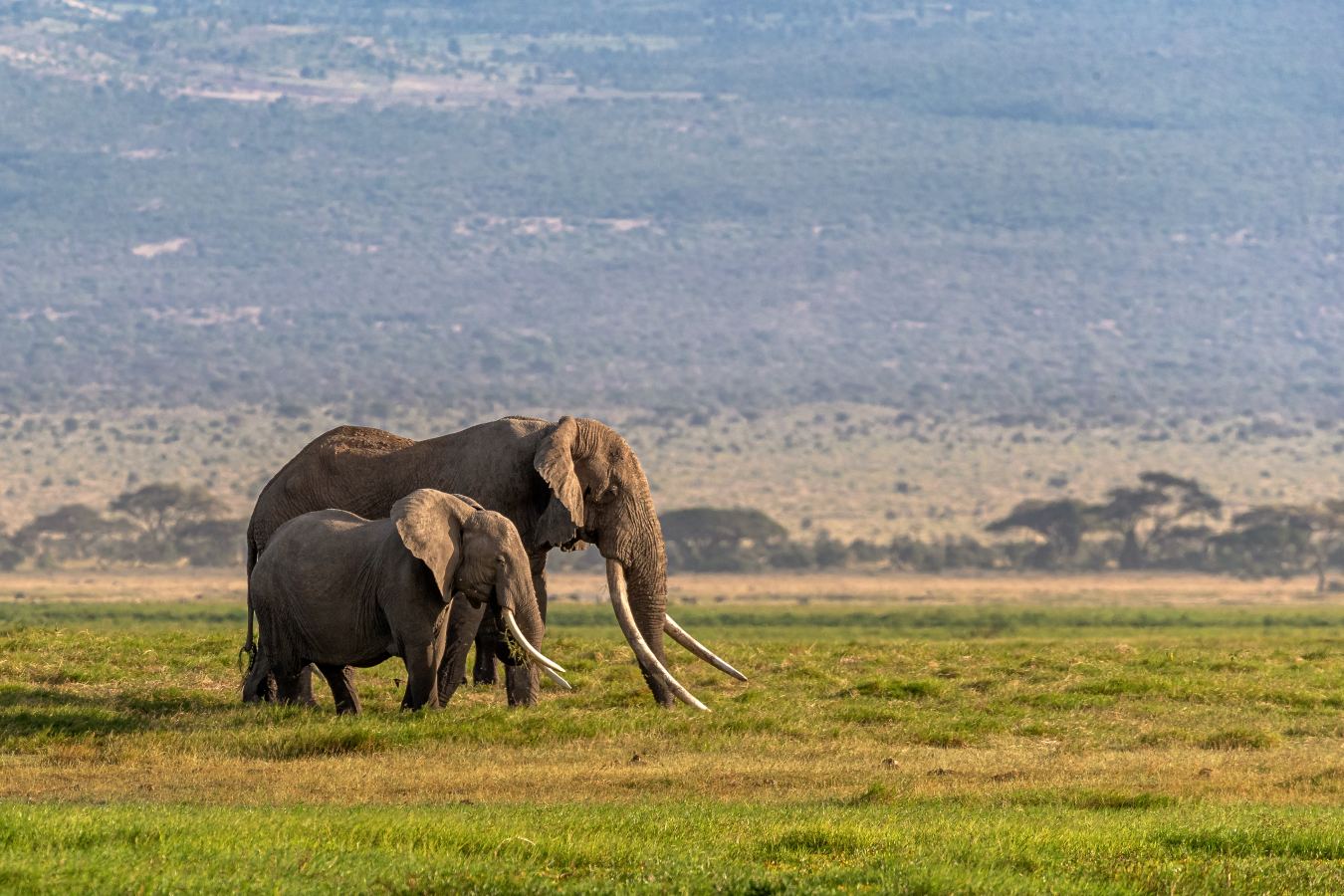
Tarangire National Park and Ruaha National Park offer outstanding value within the Tanzania safari cost spectrum. Both parks receive fewer visitors than the Serengeti, carry lower daily fees, and offer exceptional wildlife viewing — particularly for elephant, predator, and bird species. Ruaha, in Tanzania's southern circuit, is one of Africa's last true wilderness areas: vast, remote, and breathtakingly wild. A southern circuit safari combining Ruaha and Selous Game Reserve is typically 20 to 30 percent less expensive than a northern circuit Serengeti itinerary while delivering a genuinely extraordinary experience.
What Affects Tanzania Safari Cost Most
Several key factors determine where your Tanzania safari cost lands within the broad price ranges. The first is season. Tanzania has two peak seasons — July to October and January to March — when wildlife viewing is at its best and safari prices are at their highest. Shoulder seasons in June and November offer a useful middle ground: good wildlife and slightly lower rates. The green season from April to May brings the lowest prices of the year — some lodges offer discounts of 30 to 50 percent — along with lush landscapes, excellent birdwatching, and virtually no other visitors in the parks.
Group size is another major cost driver. Solo travellers and couples pay more per person than families or groups of four to six because fixed costs like the vehicle, the guide, and often the accommodation are shared across fewer people. A couple on a private safari will pay more per head than a family of four sharing the same vehicle and itinerary. Families with children over seven years of age can make excellent use of this dynamic to significantly reduce the per-person Tanzania safari cost without sacrificing any quality of experience.
Trip duration also affects the daily cost average. Shorter safaris of five to seven days often carry a higher average daily cost because the fixed costs of getting to and between parks are spread over fewer days. A ten to twelve day itinerary allows the per-day cost to come down considerably while also delivering a richer, more complete Tanzania experience. At Sokwe Africa Safaris, we always recommend a minimum of eight days for a first Tanzania safari — anything shorter and you will leave wishing you had stayed longer.
Hidden Costs to Include in Your Tanzania Safari Budget
Beyond the headline daily rate, there are several additional costs to factor into your Tanzania safari budget. International flights are the most significant — from the United States, return flights to Kilimanjaro International Airport or Julius Nyerere International Airport in Dar es Salaam typically cost between $1,200 and $2,500 depending on your departure city and travel dates. From the United Kingdom and Europe, expect to pay between $800 and $1,800 for return flights. Booking flights six to nine months in advance will almost always deliver the best prices.
Travel insurance is a non-negotiable cost for any Tanzania safari. A comprehensive policy covering medical evacuation, trip cancellation, and safari-specific activities — including game drives and bush walks — typically costs between $150 and $400 per person for a ten-day trip depending on your age and the level of cover selected. Medical evacuation from a remote Tanzanian national park can cost tens of thousands of dollars without insurance — this is not a cost to cut corners on.
Tipping is a meaningful part of Tanzania safari culture and should be included in your overall budget. At Sokwe Africa Safaris, we recommend budgeting approximately $15 to $20 per person per day for your guide, $5 to $10 per person per day for camp staff, and $5 per person per day for trackers where applicable. These tips are genuinely important to the people who deliver your experience and are deeply appreciated. Finally, souvenirs, personal items, and optional activities like hot air balloon safaris over the Serengeti — which typically cost $500 to $600 per person — should be factored into your total Tanzania safari cost planning.
Is a Tanzania Safari Worth the Cost?
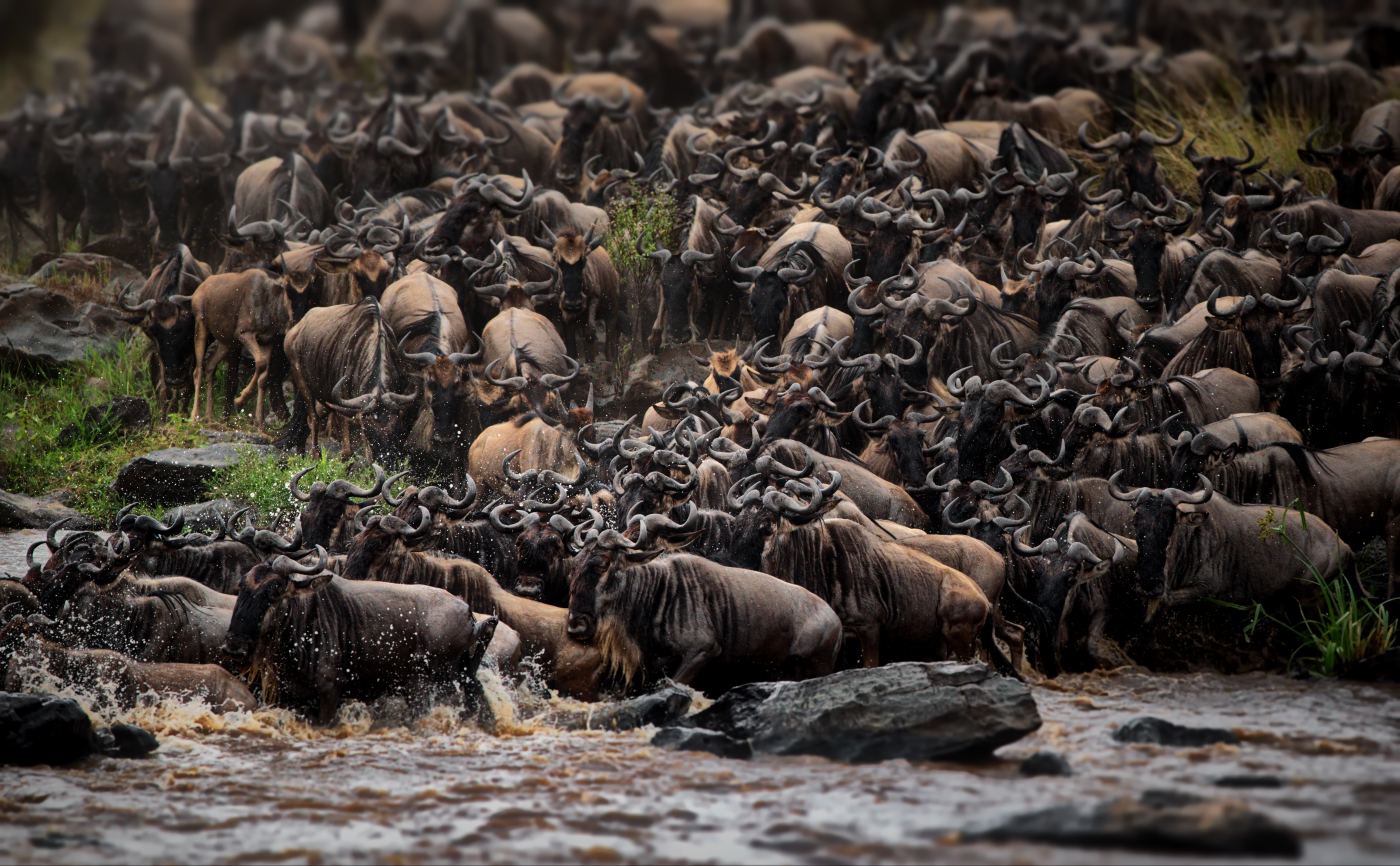
The answer, from every guest who has experienced Tanzania with Sokwe Africa Safaris, is an unequivocal yes. A Tanzania safari is not a holiday in the conventional sense. It is a direct encounter with the wild world — with predators hunting at dawn, with elephants moving silently through ancient miombo woodland, with a million wildebeest crossing a crocodile-filled river in the greatest wildlife spectacle on earth. No wildlife documentary, no zoo, no nature reserve anywhere in the world can deliver what the Tanzanian wilderness delivers to those who come to meet it properly.
When you consider Tanzania safari cost in the context of what is being delivered — the expertise of your guide, the remoteness of your camp, the wildlife density of the parks, the quality of the food and service, and the sheer transformative power of the experience — the investment begins to look not just reasonable but extraordinary value. At Sokwe Africa Safaris, we exist to help you access Tanzania in exactly the right way for your budget, your interests, and your travel style. Contact us today to begin planning your 2025 Tanzania safari and discover what your budget can truly deliver in one of the last great wild places on earth.
A Tanzania safari is not just a holiday. It is the experience of a lifetime — and understanding the cost is the first step to making it a reality.
- Daily park and conservation fees explained
- Accommodation cost tiers compared
- Private vs shared vehicle costs
- Seasonal pricing differences
- Hidden costs and budgeting tips
- How to get best value for your Tanzania safari budget