
Why the Serengeti is the heart of any Tanzania safari
The Serengeti is the park that defines safari for most of the world, and choosing the right Serengeti safari tours is the single most important decision in planning a Tanzania trip. Covering nearly fifteen thousand square kilometres of open plain, riverine forest and granite kopje, the Serengeti holds the greatest concentration of large mammals on Earth and hosts the Great Migration, the largest overland movement of animals anywhere. Whatever else your itinerary includes, the Serengeti is almost always the centrepiece, so getting this part right shapes the whole journey.
But the Serengeti is enormous and varied, and a tour that suits one traveller can disappoint another. The difference between an unforgettable safari and a merely good one rarely comes down to the park itself — it comes down to how your tour is structured: where you stay, when you go, whether you travel privately, and above all the quality of your guide. This guide walks you through every one of those choices so you can book with confidence rather than guesswork.
Private vs group Serengeti safari tours
The first fork in the road is whether to take a private or a group tour. A group, or scheduled-departure, tour shares a vehicle, a guide and a fixed itinerary among travellers who book separately. It is the most affordable way to experience the Serengeti and can be sociable, but it comes with compromises: set departure times, a pace dictated by the group, and shared sightings where not everyone gets the best seat or the best angle.
A private tour gives you your own vehicle, guide and schedule. You decide when to leave camp, how long to linger at a leopard sighting, and whether to picnic in the field or head back early. For couples, families and photographers especially, the freedom of a private Serengeti tour transforms the experience, and the cost premium is smaller than most people expect once it is shared across your own party. We run every safari privately for exactly this reason — the moments you remember most are almost always the ones a fixed schedule would never have allowed.
When to go: timing your Serengeti tour
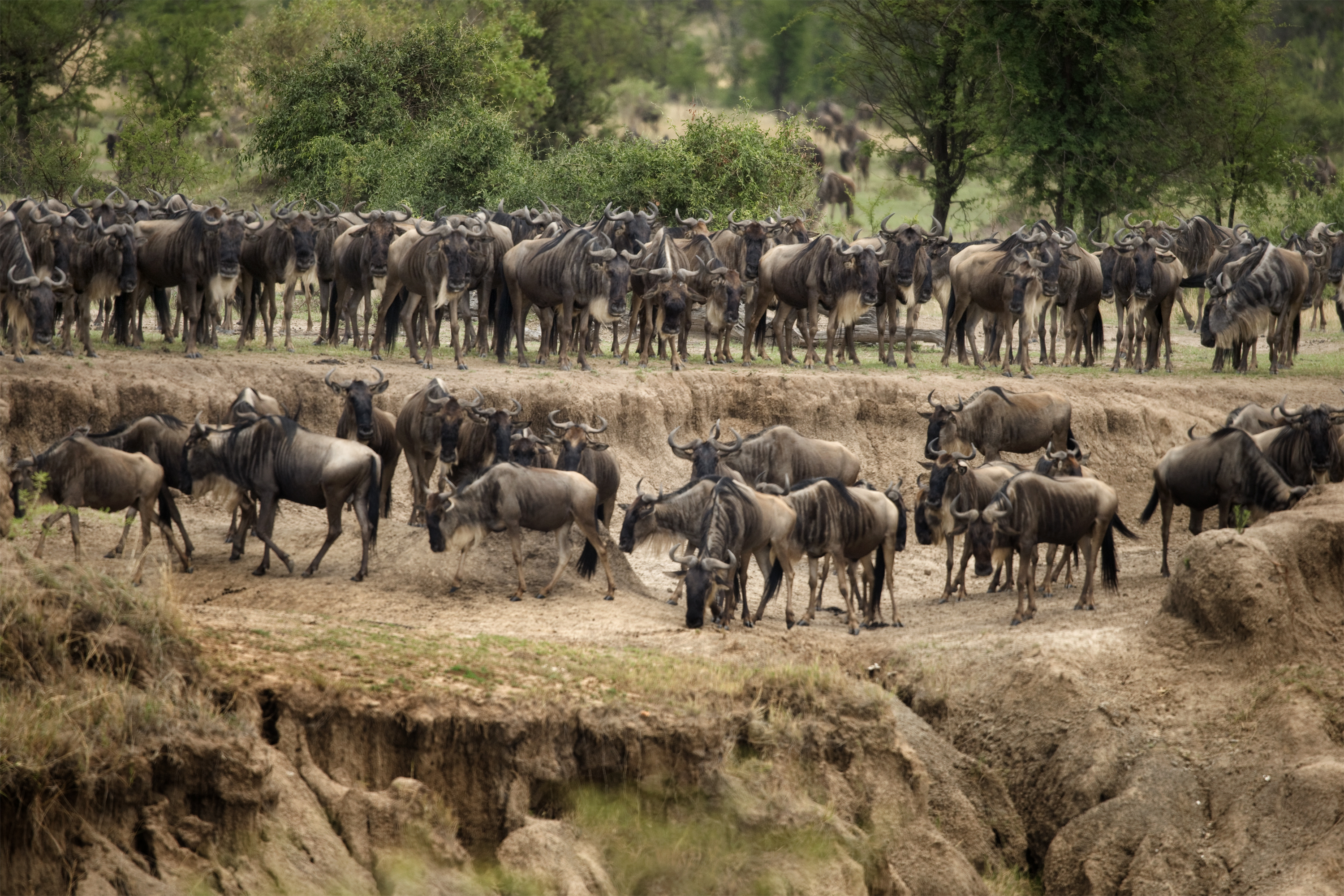
Timing shapes what you see in the Serengeti more than any other factor, because the Great Migration moves through the ecosystem across the year. From December to March the herds gather on the southern plains for the calving season, when hundreds of thousands of wildebeest give birth and predators are at their most active. From around July to September the migration reaches the northern Serengeti and the dramatic Mara River crossings that most people picture when they imagine a safari.
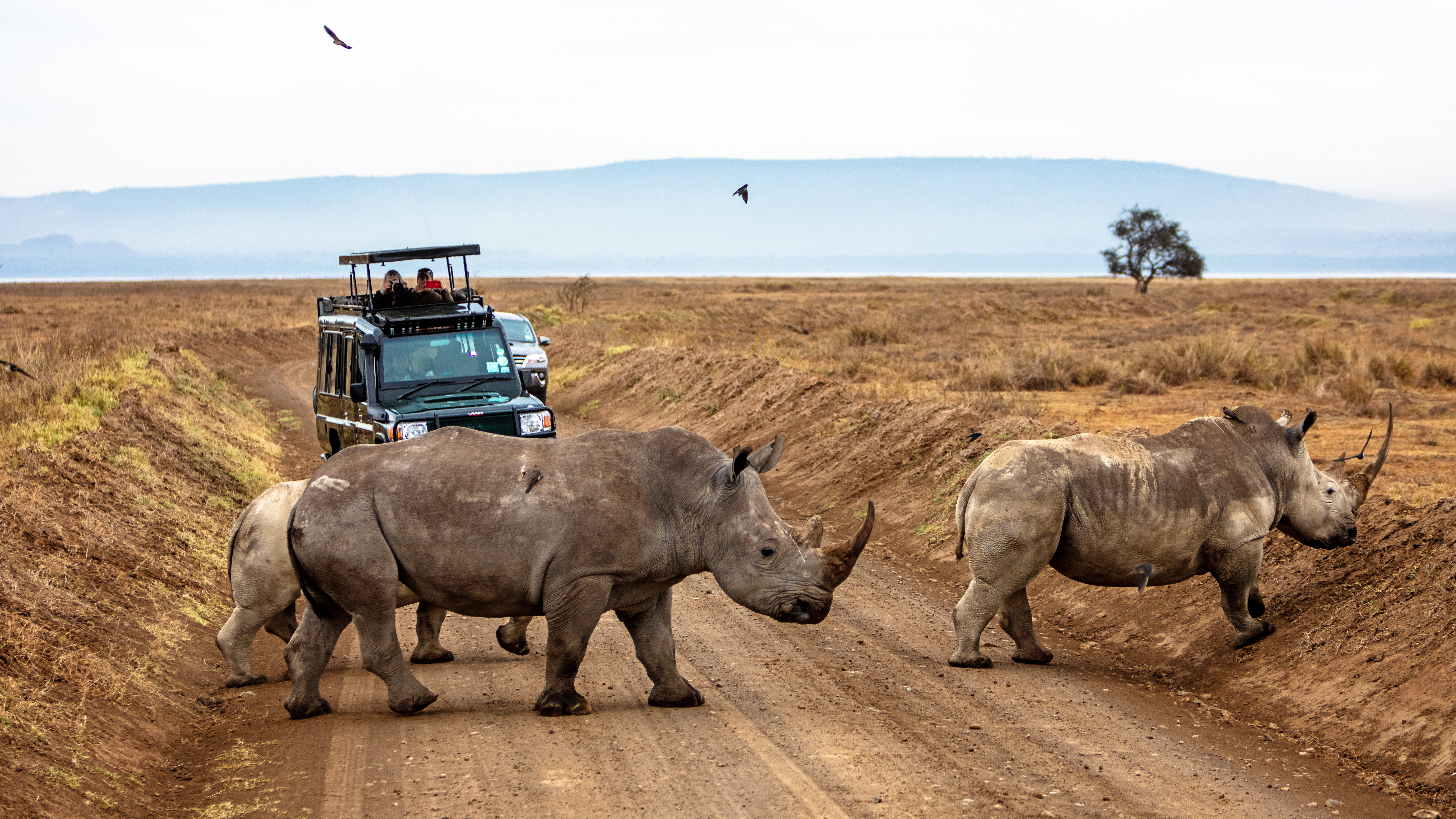
That said, the Serengeti rewards visitors every month of the year. Its resident lion, leopard, cheetah and elephant populations do not migrate, so even outside the famous crossing season the game viewing is superb — and the green months bring lush scenery, newborn wildlife, fewer vehicles and better value. The right time for your tour depends on whether the crossings are a priority, how you feel about crowds, and your budget. Our guide to the best time to visit Tanzania breaks the calendar down month by month.
What a great Serengeti safari tour includes
When you compare Serengeti safari tours, look closely at what is actually included, because this is where quotes differ most. A complete tour should cover your guide and 4x4 safari vehicle, all park entry fees, your accommodation, meals, and drinking water in the vehicle. The Serengeti's park fees are substantial and fixed by the government, so a tour priced suspiciously low is almost always cutting corners somewhere you cannot see — an older vehicle, a less experienced guide, or camps far from the wildlife.
The quality of the guide is the part that no brochure can convey but that makes the biggest difference on the ground. A great Serengeti guide reads tracks and alarm calls, knows which valleys the cats favour at dawn, and positions the vehicle for the best light and the safest, most respectful viewing. When you ask an operator about a tour, ask who will guide you and how long they have worked in the Serengeti — the answer tells you a great deal about the safari you will actually have.
Where to stay on a Serengeti safari tour
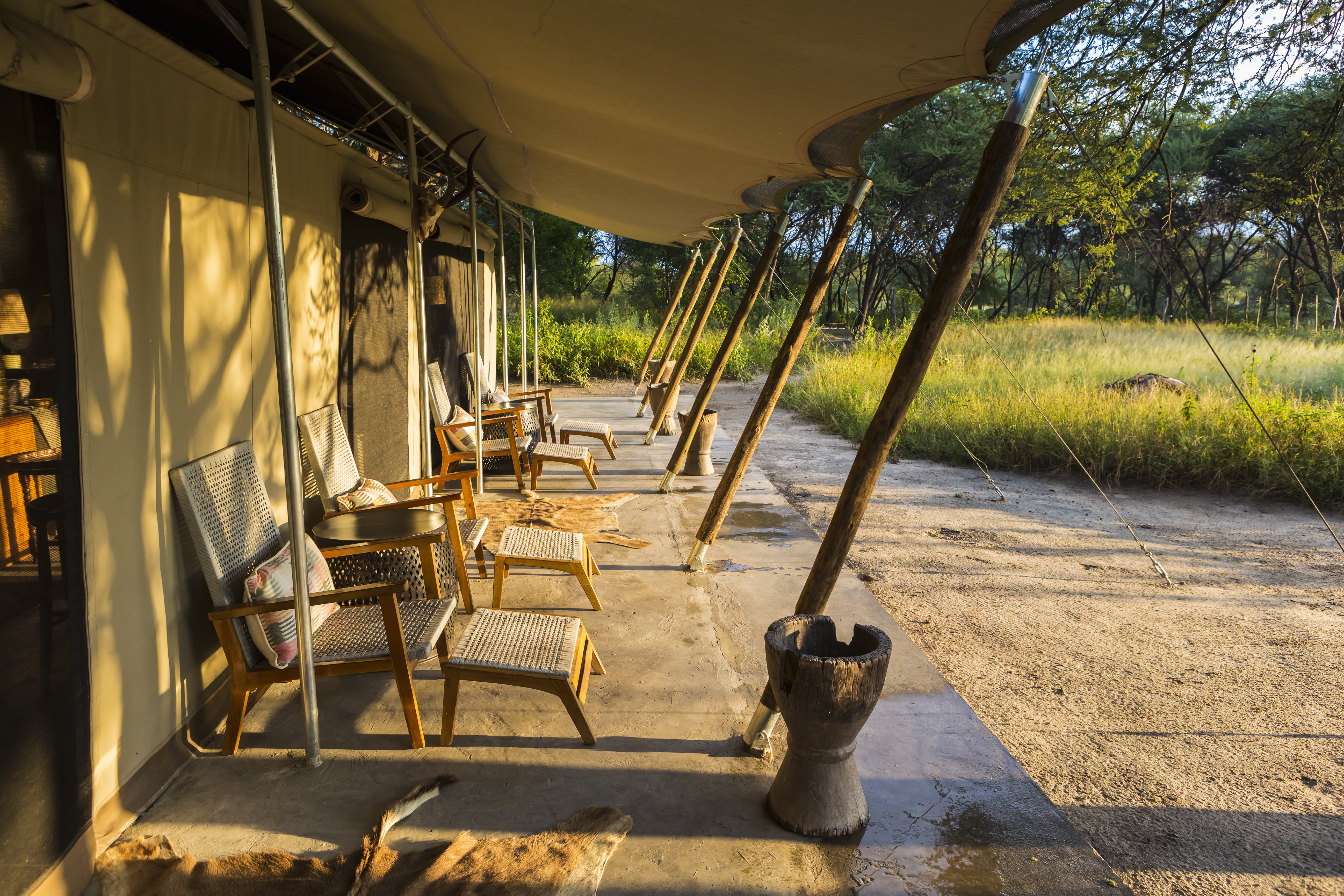
Accommodation in the Serengeti ranges from simple seasonal camps to some of the most luxurious tented suites in Africa, and where you stay matters as much for its location as its comfort. Because the park is so large, a camp positioned close to where the wildlife will be during your dates can mean the difference between long drives to reach the action and stepping straight into it each morning. This is especially true during the migration, when the herds move hundreds of kilometres across the seasons.
Luxury mobile camps are a wonderful solution: they move with the migration, so you are always near the heart of the action without sacrificing comfort. Permanent lodges and camps in the central Seronera area offer reliable year-round game viewing and are ideal for first-timers. Our guide to the best luxury Serengeti lodges details the standout options, and we match every camp to the season and to the kind of safari you want, rather than booking whatever is available.
How long do you need in the Serengeti?
A common and costly mistake is allowing too little time in the Serengeti. A single night barely scratches the surface and is often swallowed by travel; we recommend a minimum of three nights to settle into the rhythm of the park, explore more than one area, and give yourself the best chance of the standout sightings. The Serengeti rewards patience, and the magic often happens on the third or fourth morning, once you have slowed down and your guide has read the patterns.
Most Serengeti safari tours combine the park with the neighbouring Ngorongoro Crater and Tarangire to form the classic northern circuit, typically over six to ten days in total. This gives a satisfying variety of landscapes and wildlife without the punishing pace of trying to see everything at once. If you have longer, adding a few days on the beaches of Zanzibar makes a perfect, restful finale to a Serengeti safari.
How much does a Serengeti safari tour cost?
As a guide, a mid-luxury private Serengeti-focused tour generally runs from roughly three to five thousand US dollars per person for a week of land arrangements, while top-tier luxury with exclusive camps and internal flights runs higher. Budget group tours can come in considerably lower, with the trade-offs in privacy and comfort described above. International flights to Kilimanjaro are additional.
The biggest levers on price are the season, the standard and location of your camps, whether you travel privately or in a group, and whether you fly or drive between areas. Rather than quote a misleading headline figure, we cost every tour around your exact dates and wishes — and we are always happy to show you precisely where your money goes, so you can decide where to spend and where to save.
Common mistakes to avoid when booking
A few mistakes come up again and again. Booking on price alone almost always disappoints, because the cheapest tours economise where it hurts most. Trying to cram too many parks into too few days leaves you exhausted and rushed. Ignoring the season can mean arriving when the migration has moved on. And booking through a distant agency that subcontracts the ground work adds a markup without adding value.
The simplest way to avoid all of these is to plan with a local operator who knows the Serengeti first-hand, asks about your interests before quoting, and is transparent about what is included. A good operator will gently steer you away from the common traps rather than simply selling you the tour you first asked for — and that honest guidance is worth far more than a small saving on the sticker price.
Plan around the wildlife with our Serengeti migration guide and our best time to visit Tanzania calendar.
Choosing where to stay? See the best luxury Serengeti lodges.
The Serengeti does not disappoint — but a poorly planned tour can. Get the timing, the guide and the camps right, and it becomes the safari of a lifetime.
- Decide private vs group early
- Time your tour to the migration if crossings matter
- Allow at least three nights in the park
- Check exactly what each quote includes
- Ask who your guide is and how experienced they are
- Book direct with a local operator to skip the markup
What to expect on a typical day on safari
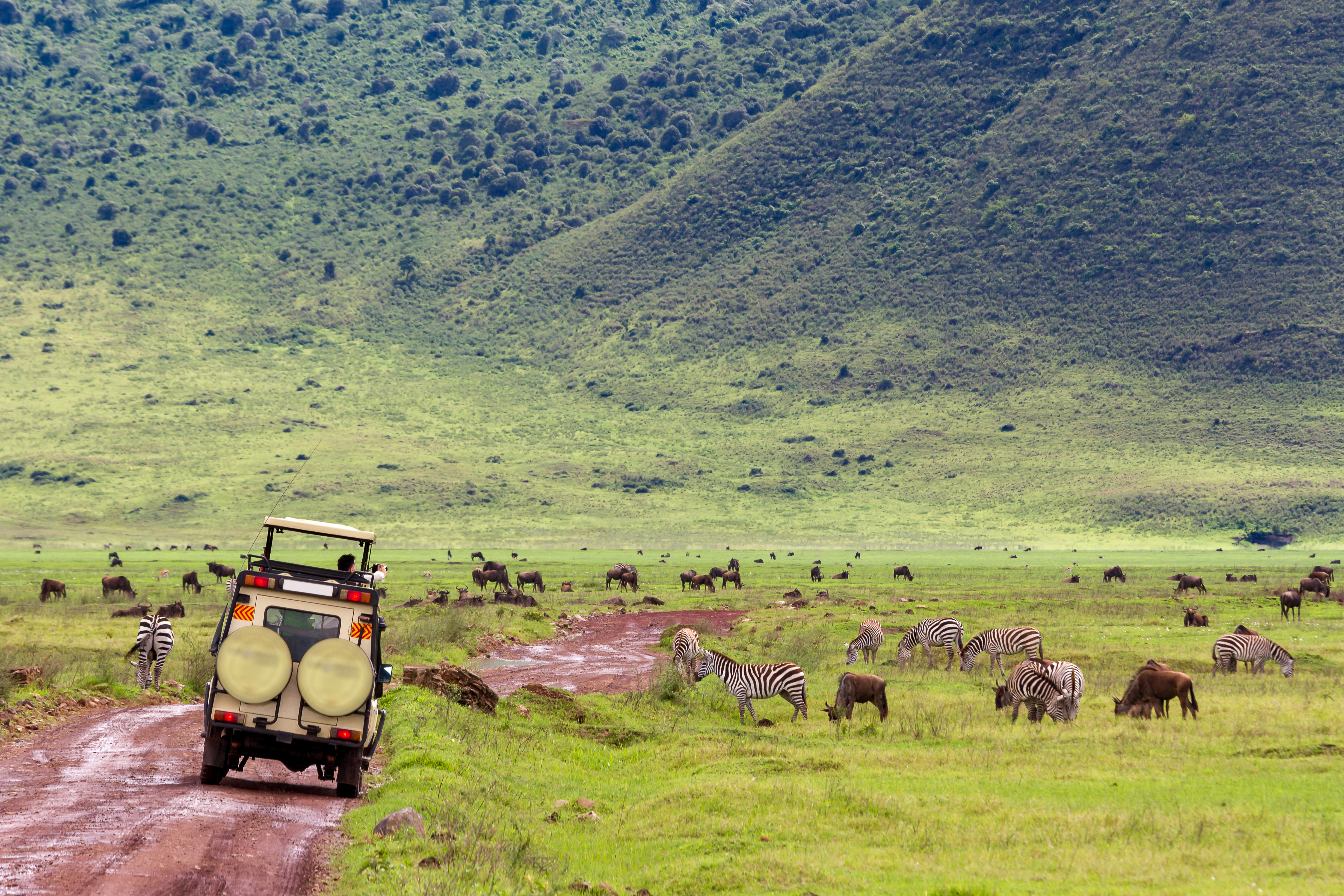
Knowing the rhythm of a safari day helps you picture your Serengeti tour and choose the style that suits you. The day begins early, often before dawn, with coffee or tea brought to your tent as the sky lightens. The first hours after sunrise are the most rewarding of the day: the air is cool, the light is golden, and the predators that hunted overnight are still active, so this is when lions, leopards and cheetahs are most often seen on the move.
After a long morning drive, many tours pause for a bush breakfast laid out under an acacia, or return to camp for a hearty meal. Mornings are unhurried on a private tour — if a leopard is dozing in a tree or a pride is stirring, you simply stay, rather than rushing on to a schedule. This freedom to follow the wildlife is the single greatest argument for a private Serengeti safari over a fixed group departure.
The middle of the day, when the heat builds and the animals rest in the shade, is your time to relax. Most travellers return to camp for lunch, a siesta, a swim or simply a book in the shade of their veranda, watching the plains shimmer. It is a gentle, civilised pace that surprises first-timers who expect to be in the vehicle from dawn to dusk, and it is part of what makes a safari so restorative as well as exciting.
As the afternoon cools, you head out again for a second game drive, often the most atmospheric of the day. The light softens, the animals become active once more, and the drive builds towards sundowners — a tradition where your guide stops at a scenic spot to pour a drink as the sun sets over the plains. It is one of the defining, unforgettable moments of any Serengeti safari, and a daily one.
Evenings are spent back in camp, where dinner is often served under a canopy of stars, with the sounds of the bush all around — the whoop of a hyena, the distant roar of a lion. In the more remote camps the sense of being deep in the wild is profound, and many guests say the evenings, as much as the game drives, are what they remember most. A good tour balances all of this: thrilling drives, genuine comfort, and time simply to soak up where you are.
This daily rhythm repeats, but no two days are ever the same, because the wildlife writes a different story each time. That is precisely why we recommend several nights in the Serengeti rather than a single rushed stop — it is the accumulation of these mornings and evenings, and the deepening rapport with your guide, that turns a safari from a sightseeing trip into the experience of a lifetime.
How to book your Serengeti safari tour
A great Serengeti safari is not pulled from a shelf — it is built around your dates, your interests and your travel style. Tell us when you would like to travel and what matters most to you, whether that is the river crossings, the big cats, photography or simply peace and space, and we will design a private Serengeti tour shaped entirely around you, with honest advice at every step.
Plan your Serengeti safari tour with Sokwe Africa Safari