
The Most Common Question We Receive
Of all the questions we receive from travellers planning a Tanzania safari, one comes up more consistently than any other: how many days do I need? The answer, as with most meaningful things in life, is more nuanced than a single number. It depends on what you want to experience, which parks you want to visit, your travel budget, your flight connections, and — perhaps most importantly — what kind of pace allows you to truly arrive in the wilderness rather than simply passing through it.
The honest answer is this: five days is a minimum, seven to eight days is satisfying, ten to twelve days is ideal, and two weeks or more is transformative. Every additional day in the Tanzanian bush increases your probability of extraordinary sightings, deepens your understanding of the ecosystem, and allows you to shed the accumulated speed of modern life and actually be present in one of the wildest places on Earth. With that context established, let us examine what is actually achievable at different durations.
The 5-Day Tanzania Safari: A Meaningful Introduction
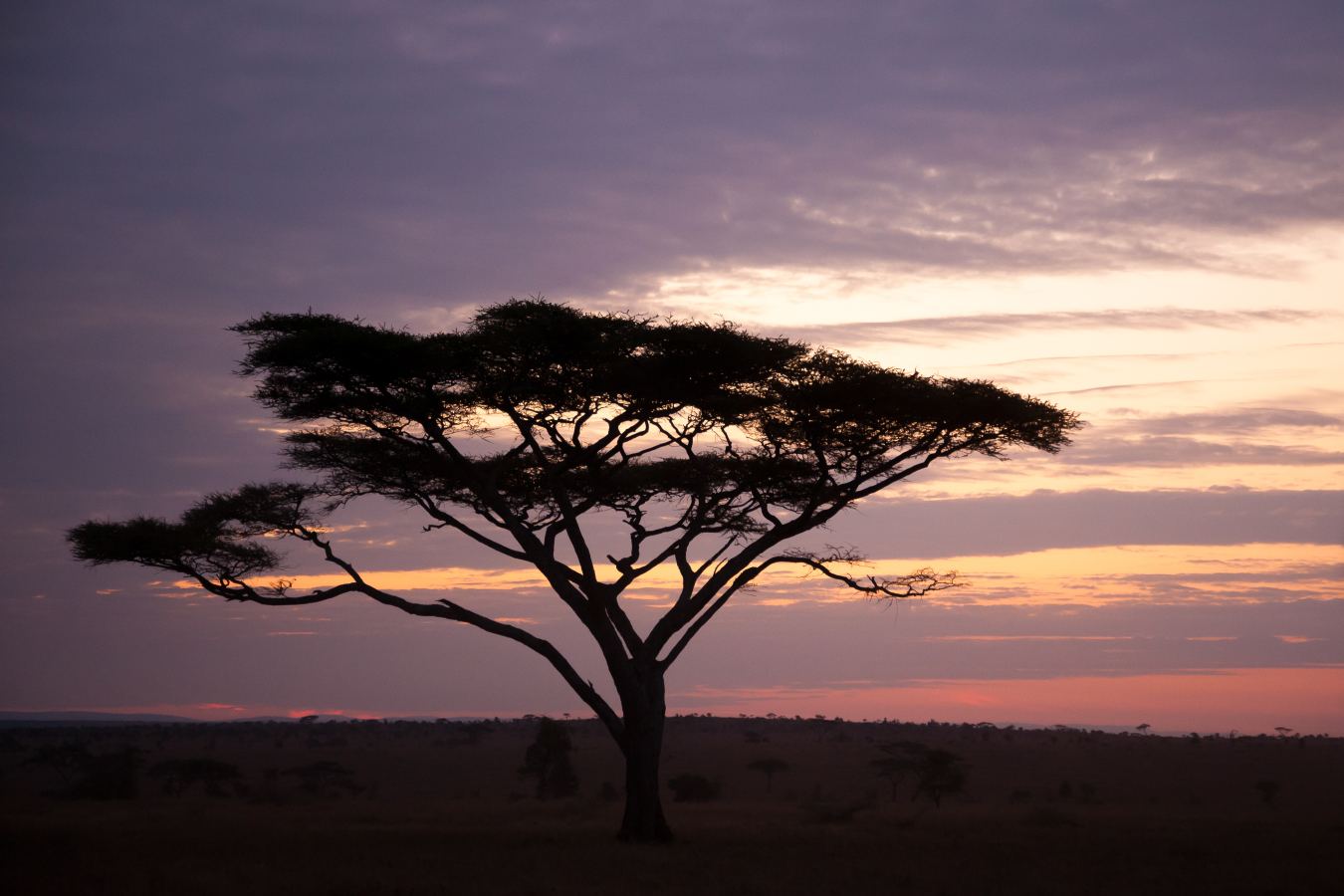
A five-day Tanzania safari is the minimum we recommend for a rewarding experience, and it can be done well with careful planning. The most efficient five-day structure focuses on a single primary destination — the Serengeti — with one day in the Ngorongoro Crater. Flying directly into the Serengeti from Kilimanjaro or Arusha airport eliminates road travel time and maximises hours in the field. Three full game drive days in the Serengeti followed by a crater visit and a final departure day creates a tight but genuinely rewarding experience.
What a five-day safari cannot do is give you the deep, unhurried immersion that comes from extended time in a single ecosystem. On a short safari, you are always aware of the clock — the departure day is never far away, and the temptation to try to see everything can undermine the quality of individual moments. For first-time safari travellers who genuinely cannot arrange more than five days, it is still absolutely worth doing. But we always recommend extending if there is any possibility of doing so.
The 7 to 8-Day Safari: The Sweet Spot
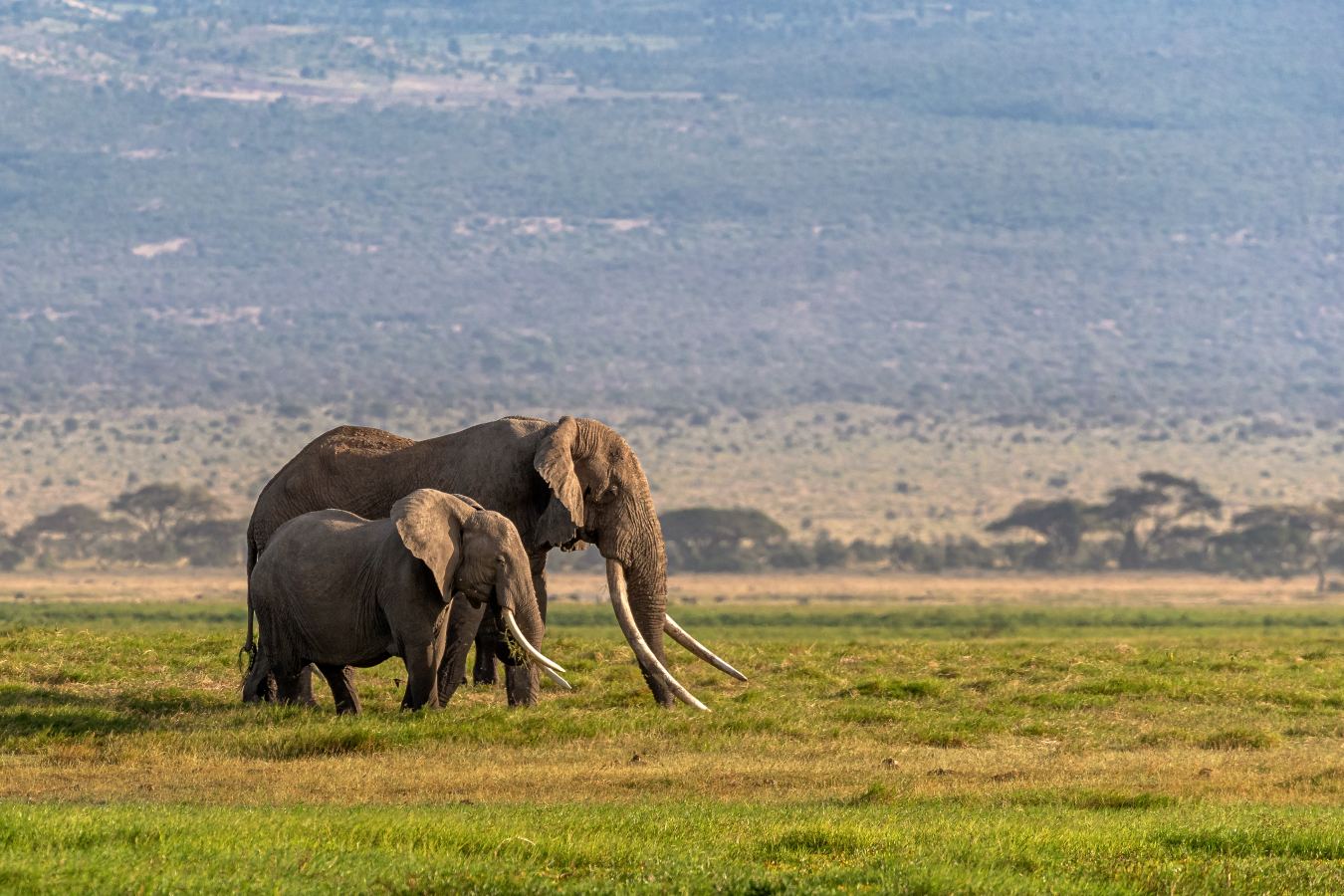
Seven to eight days is the duration where Tanzania safari travel genuinely finds its rhythm. This timeframe allows for the classic combination of Tarangire National Park (renowned for its elephant concentrations and ancient baobab trees), the Ngorongoro Crater, and three to four nights in the Serengeti. Each destination receives adequate time — not a rushed day visit, but an immersive stay that allows wildlife patterns to reveal themselves across multiple drives.
The seven to eight-day structure also allows for the addition of a domestic flight within Tanzania, which transforms the logistics considerably. Flying from Arusha to the central Serengeti, conducting your game drives, and then flying back to Arusha for your international departure removes hours of driving and arrives you in the best wildlife areas quickly and refreshed. This is the itinerary structure that Sokwe Africa Safaris most frequently builds for guests with a realistic time budget and a desire for a complete and deeply satisfying experience.
The 10 to 12-Day Safari: The Full Experience
Ten to twelve days is the duration at which a Tanzania safari becomes a genuinely comprehensive journey through the full spectrum of the country's wildlife experiences. With twelve days, you can combine Tarangire, the Serengeti (spending time in both the central and northern sectors), the Ngorongoro Crater, and still have time for a two or three-day beach extension on Zanzibar. The Serengeti alone justifies extended time — spending four or five nights allows you to witness the change in light, the daily rhythms of the prides and packs, and the cumulative rewards of patience in the bush.
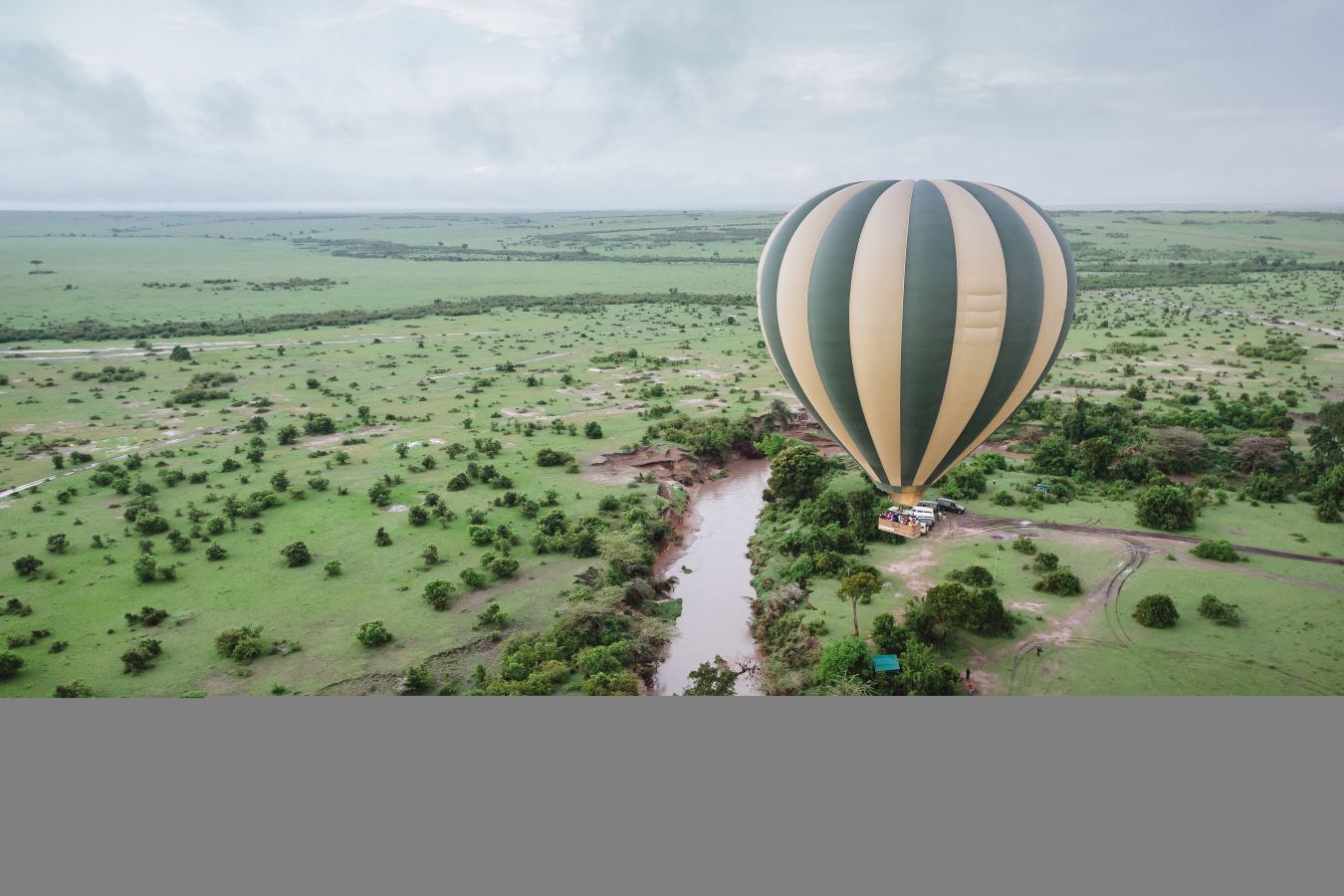
At the ten to twelve-day mark, you also have the flexibility to incorporate specialist experiences that require a half-day or full day of travel: a walking safari in a private concession, a hot air balloon flight over the Serengeti at dawn, a cultural visit to a Maasai community, or a Zanzibar extension to decompress on the beach after the intensity of the bush. These additional elements transform a safari from an excellent wildlife holiday into a genuinely complete East African journey.
The ten to twelve-day itinerary is also the right framework for combining Tanzania with a Rwanda gorilla trekking extension. Adding two days in Rwanda's Volcanoes National Park for a mountain gorilla trek creates one of the most extraordinary wildlife itineraries on the planet — and it is surprisingly logistically manageable from Tanzania, given Kigali's excellent flight connections across East Africa.
Two Weeks and Beyond: For Those Who Truly Love the Wild
Two weeks or more in Tanzania is the domain of the deeply committed safari traveller, and it opens up destinations that require the investment of real travel time: the remote Selous Game Reserve (now Nyerere National Park) in the south, the vast and seldom-visited Ruaha National Park, or the chimp-trekking paradise of Mahale Mountains on the shore of Lake Tanganyika. These southern circuit parks are less visited but support enormous wildlife populations — Ruaha holds Tanzania's largest elephant population and exceptional lion density — and the journey to reach them is itself part of the experience.
Our Recommendation
If you are planning your first Tanzania safari and can arrange the time, ten days is the number we recommend. It gives you enough time in multiple ecosystems to encounter the full range of Tanzania's wildlife, experience the variety of landscape from open grassland to dense woodland to the volcanic drama of the Ngorongoro highlands, and still include a few days of rest on the beach before flying home. It is the amount of time that allows Tanzania to reveal itself properly — not in a rushed sequence of sightings, but as a living, breathing, complex world that rewards attention and patience.
The bush asks nothing of you except time. Give it enough, and it will give you everything.
- 5 days: Serengeti focus with one Ngorongoro day
- 7-8 days: Tarangire, Ngorongoro, and Serengeti full circuit
- 10-12 days: Complete circuit plus Zanzibar beach extension
- 14+ days: Add southern circuit or Rwanda gorilla trekking
- Our recommendation: 10 days for a first complete Tanzania experience