
Why Tanzania Has No Equal in Africa
Tanzania is home to some of the most extraordinary concentrations of wildlife on the planet. Covering over 38 percent of its total land area in protected national parks, game reserves, and conservation areas, Tanzania has made an unparalleled commitment to preserving the natural world. The result is a country where you can drive for hours through landscapes that look exactly as they did ten thousand years ago — vast, wild, and teeming with life. For travellers who want to experience Africa at its most genuine and most spectacular, Tanzania is not simply one option among many. It is the destination.
Tanzania's national park system encompasses extraordinary diversity. The Serengeti is the most famous, but it is far from the only jewel in a crown that also includes the volcanic grandeur of the Ngorongoro Conservation Area, the baobab-studded elephant paradise of Tarangire, the remote wilderness of Ruaha, the chimp forests of Mahale Mountains, and the vast river delta ecosystems of Nyerere National Park. Understanding what each park offers — and how they fit together into a coherent safari itinerary — is the foundation of planning a truly exceptional Tanzania journey.
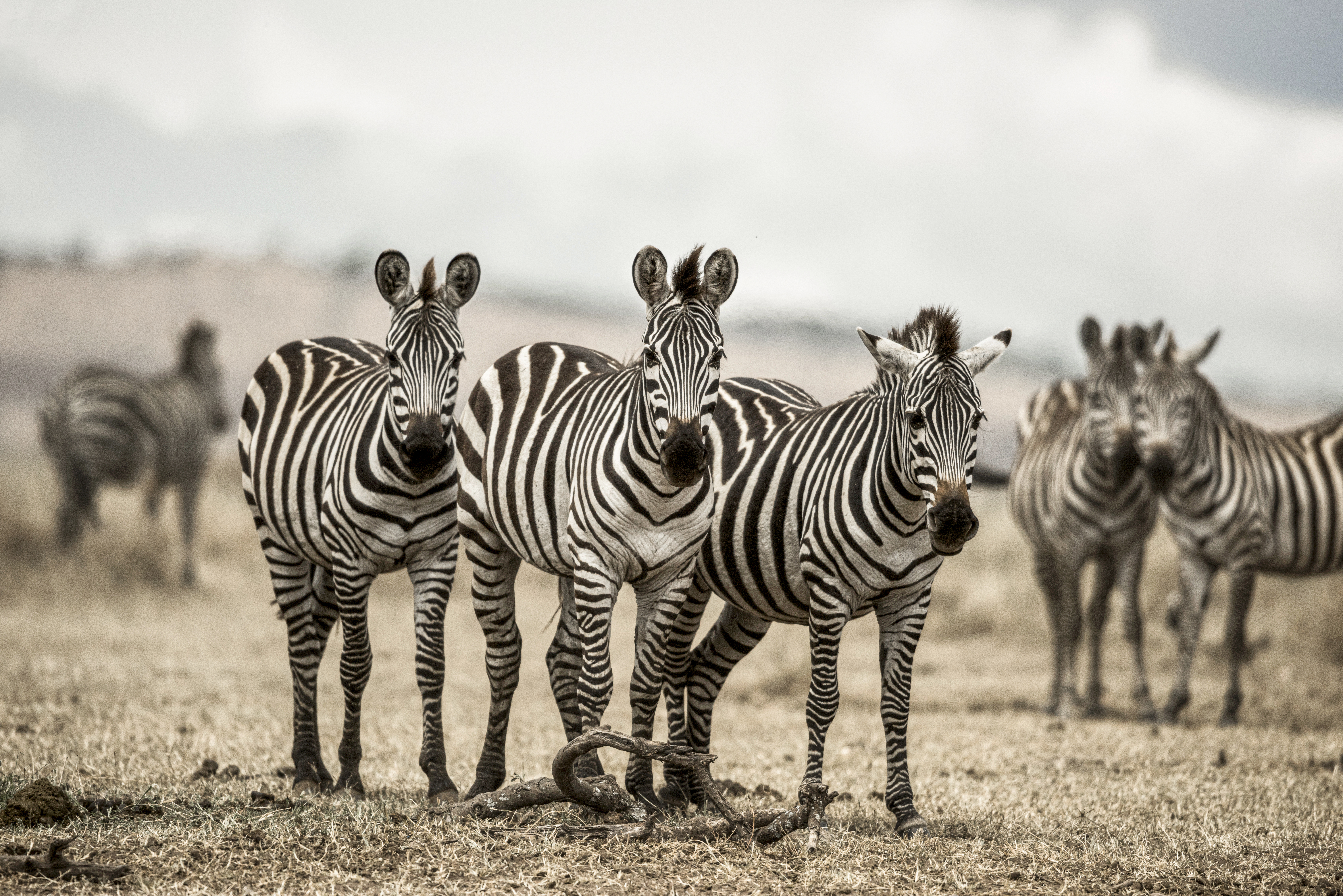
Serengeti National Park: The Icon
The Serengeti is the park that defines safari travel for most of the world, and it earns that reputation in every season of the year. Covering approximately 14,763 square kilometres of open grassland, riverine forest, and kopje-studded plains, the Serengeti is home to the greatest concentration of large mammals on Earth. The annual Great Migration — 1.5 million wildebeest, 300,000 zebra, and 500,000 gazelle moving in a continuous circuit through the ecosystem — is the defining natural spectacle of the African continent.
But the Serengeti is far more than the migration. Its resident lion population is one of the densest anywhere in Africa, with over 3,000 lions occupying the park year-round. Leopards are found throughout the central and western areas, often spotted draped over acacia branches in the late afternoon light. Cheetahs hunt the open southern plains, and the park holds populations of wild dog — one of Africa's most endangered predators — that have recovered significantly in recent years. For first-time visitors to Tanzania, the Serengeti is non-negotiable. For returning visitors, it reveals new dimensions with every trip.
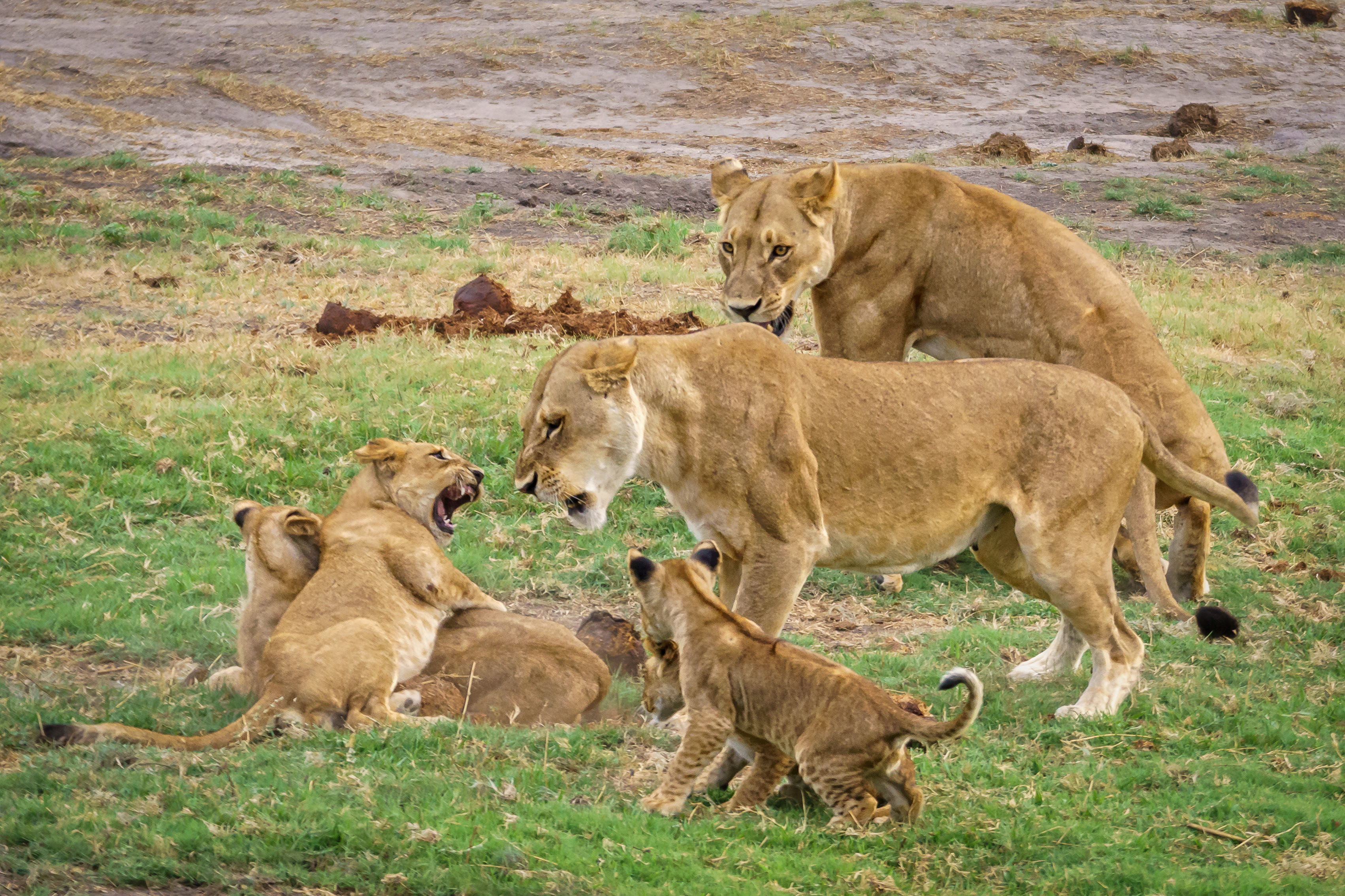
Ngorongoro Conservation Area: The Crater
The Ngorongoro Crater is one of the most remarkable natural features on the surface of the Earth. A collapsed volcanic caldera 20 kilometres in diameter and 600 metres deep, it forms a self-contained ecosystem that supports approximately 25,000 large mammals within its walls year-round. The crater floor — a mosaic of open grassland, soda lake, swamp, and acacia forest — provides habitat for lion, elephant, hippo, hyena, flamingo, buffalo, and one of the last remaining populations of black rhino in East Africa.
Descending into the Ngorongoro Crater is an experience of extraordinary visual drama. The road winds down the steep inner wall through montane forest alive with buffalo and bushbuck, emerging onto the crater floor where the scale of the wildlife becomes immediately apparent. Great herds of wildebeest and zebra graze across the open grassland, prides of lions rest in the morning sun, and male elephants with enormous tusks — bulls that have found the crater's shelter and resources ideal for their later years — move slowly between waterholes. Combined with a Serengeti stay, the crater completes the northern Tanzania circuit that forms the backbone of the finest safari itineraries.
Tarangire National Park: The Elephant Parliament
Tarangire is the park that rewards travellers who look beyond the famous names. During the dry season — June through October — the Tarangire River becomes the only permanent water source for hundreds of kilometres, drawing one of the greatest concentrations of elephants anywhere in Africa. Herds of two hundred or more elephants are not unusual in the peak dry months, converging on the river in a continuous procession of families and bulls that creates one of the most overwhelming wildlife spectacles on the continent.
The landscape of Tarangire is unlike any other park in Tanzania. Ancient baobab trees — some over two thousand years old — tower above the scrubby terrain, their extraordinary silhouettes forming the backdrop for game drives that also produce lion, leopard, cheetah, buffalo, giraffe, zebra, wildebeest, and an extraordinary diversity of birds. Tarangire holds over 550 bird species, making it one of the finest birding destinations in East Africa. Located only two and a half hours from Arusha, it is the perfect entry point for a northern Tanzania safari circuit.
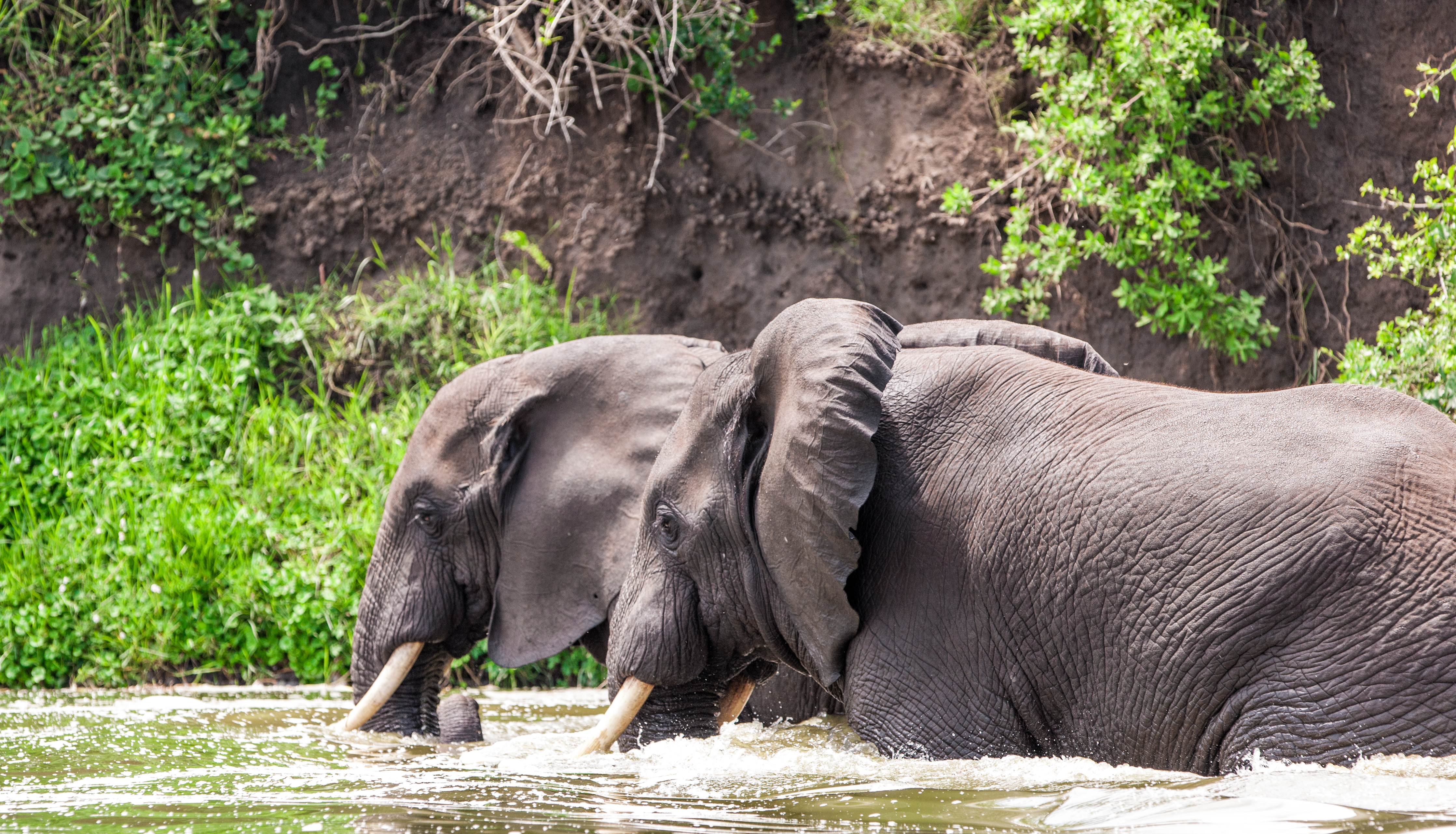
Ruaha National Park: The Wild South
Ruaha is Tanzania's largest national park and one of its least visited — a combination that makes it one of the most compelling destinations on the continent for serious safari travellers. Covering over 20,000 square kilometres of miombo woodland, riverine forest, and open grassland in southern Tanzania, Ruaha holds Tanzania's largest elephant population — over 12,000 animals — as well as exceptional populations of lion, leopard, cheetah, wild dog, and the full suite of East African plains game. The park is remote enough that a single vehicle on a game drive is entirely normal, and the sense of being in a truly wild place is overwhelming.
Ruaha's landscape is dramatically different from the northern parks. The Great Ruaha River runs through the park, forming a year-round water source that attracts enormous concentrations of wildlife in the dry season, while the surrounding hills and rocky escarpments create a dramatic backdrop entirely unlike the open Serengeti plains. Kudu, roan antelope, sable antelope, and greater kudu are found here in numbers not seen in the north, and the birdlife — over 570 species recorded — is extraordinary. Reaching Ruaha requires a flight from Dar es Salaam or Arusha, and that additional journey filters out the casual visitor and delivers a park that belongs entirely to those willing to make the effort.
Nyerere National Park: Africa's Largest Reserve
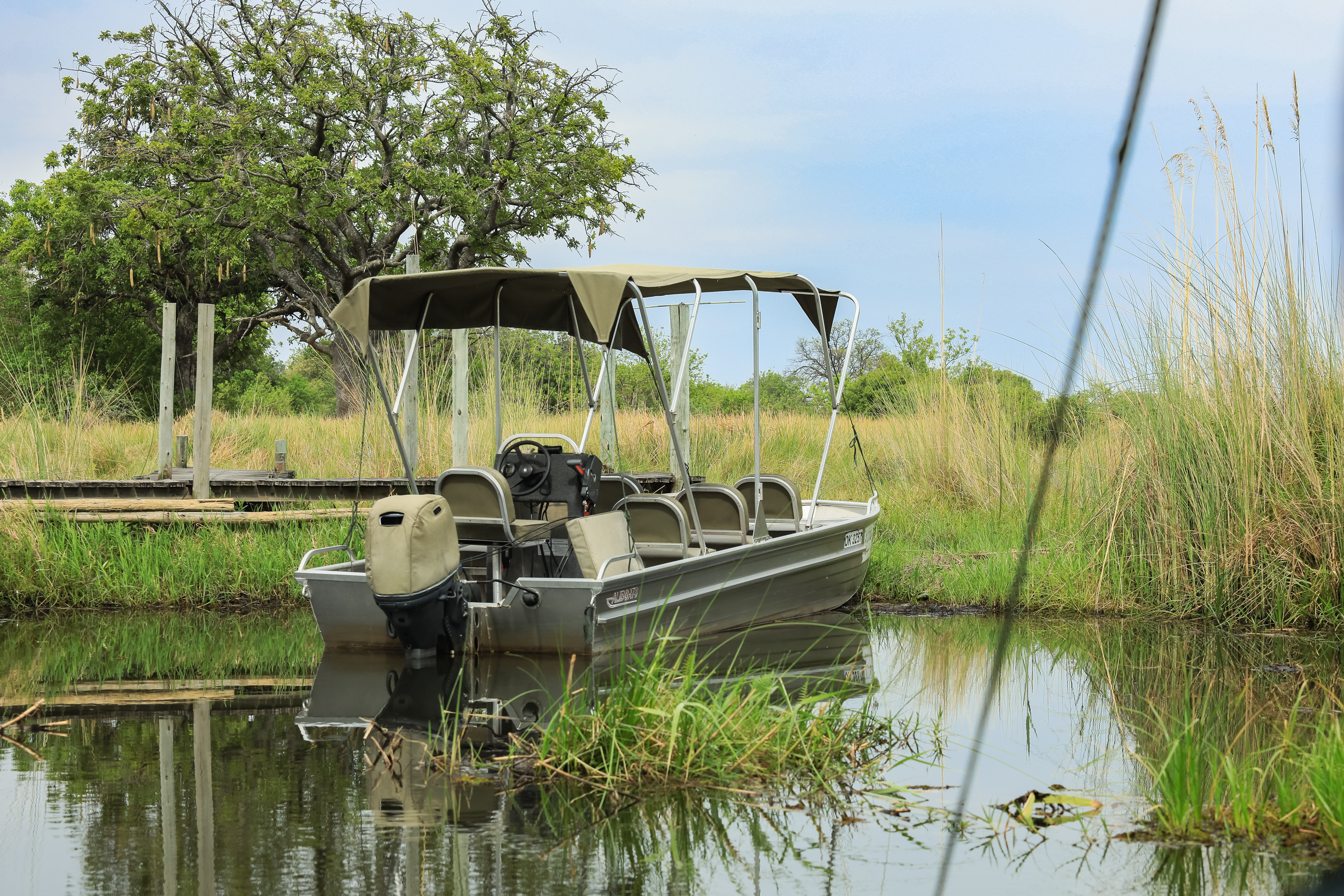
Formerly known as the Selous Game Reserve, Nyerere National Park covers approximately 30,000 square kilometres — making it the largest protected area in Africa. Unlike Tanzania's northern parks, Nyerere permits boat safaris along the Rufiji River and walking safaris with armed ranger escorts, adding dimensions of wildlife exploration unavailable anywhere else in the country. The river landscape is extraordinary: hippo pools, enormous saltwater crocodiles, and a birdlife of unparalleled richness make boat safaris here among the most distinctive wildlife experiences in the world.
Nyerere holds one of Africa's largest remaining wild dog populations, exceptional lion and leopard numbers, and elephant herds that dwarf even those of Tarangire. The park is accessed by charter flight from Dar es Salaam, and the luxury camps positioned along the Rufiji River offer some of the most exclusive safari accommodation in Tanzania. For travellers combining a northern circuit with a southern extension, Nyerere provides a completely different sensory experience — wilder, wetter, and more intimate than the grand open spaces of the Serengeti.
Ready to explore Tanzania's iconic parks? Browse our Luxury Tanzania Safari packages covering the Serengeti, Ngorongoro, and Tarangire.
Want complete privacy in the wild? Discover our Private Tanzania Safari tours with your own dedicated guide and vehicle.
For official park regulations, entry fees, and conservation updates, visit the Tanzania National Parks Authority (TANAPA).
Tanzania does not ask you to choose between wild beauty, natural drama, and wildlife abundance. It offers all three simultaneously, in parks that have no equal anywhere on Earth.
- Serengeti: Great Migration, lions, leopards, cheetahs
- Ngorongoro Crater: Black rhino, dense wildlife, volcanic drama
- Tarangire: Elephant herds, baobab trees, superb birding
- Ruaha: Remote wilderness, wild dogs, largest elephant population
- Nyerere: Boat safaris, walking safaris, Africa's largest reserve